

Highlights
- Visit the Temple of the Tooth Relic during a puja
- See the Esala Perahera in July or August
- Watch elephants bathe in the river at Pinnawala
- See Kandyan dance and drumming at an evening show
- Walk among orchids and palms at the Peradeniya gardens
- Visit the old temples of Gadaladeniya, Lankatilaka and Embekke
Overview
Kandy sits in a green valley in the centre of the island, at about 465 metres above sea level and inside a wide loop of the Mahaweli River. It was the seat of the last Sri Lankan kingdom until the British took it in 1815, and it is still the island's cultural and religious heart. The Temple of the Tooth Relic makes it one of the most important places in the Buddhist world, and the sacred city of Kandy has been a UNESCO World Heritage Site since 1988.
History
The kingdom's roots lie in nearby Gampola, and by the late 15th century Kandy, then called Senkadagala, had become a royal capital. The name Kandy comes from the Portuguese version of Kanda Uda Rata, the land on the mountain; Sri Lankans call it Mahanuwara, the great city. Its position deep in the hills made it hard to conquer, and it held out against the Portuguese and the Dutch for more than two centuries. The British took it in 1815 and left their own mark: colonial buildings such as the Queen's Hotel, schools with British names, the railway, and the tea estates that spread across the surrounding hills.
Main sights
The Temple of the Tooth
The Temple of the Tooth Relic, Sri Dalada Maligawa, enshrines a tooth relic of the Buddha in a golden casket. It is busiest at the daily pujas, when drummers play and pilgrims bring lotus flowers. Foreign visitors pay LKR 3,000 (2026), which also covers the museums in the complex. Shoulders and knees must be covered, shoes are left at the entrance, and bags are screened.
Royal Palace, lake and museums
Next to the temple are the remains of the Royal Palace and the four devales, shrines to the guardian gods Natha, Vishnu, Kataragama and Pattini. Kandy Lake was created in 1807 by Sri Wickrama Rajasinghe, the last king of Kandy, and the path around it is a pleasant walk. The National Museum shows royal regalia, ola leaf manuscripts and Kandyan era objects, and the British Garrison Cemetery has graves from the early colonial years.
Gardens, forest and viewpoints
The Royal Botanical Gardens at Peradeniya, about 20 minutes from town, cover more than 140 acres and are known for their orchid house, giant Java fig and avenues of palms. Udawattakele Forest Reserve, once a royal pleasure garden behind the temple, is good for walks and bird watching. The white Bahirawakanda Buddha statue, about 88 feet high, looks over the city from a hilltop.
The Esala Perahera
Every year, usually in July or August, the Kandy Esala Perahera runs for about ten nights before the Esala full moon. Decorated elephants, drummers, dancers and torch bearers parade through the streets, and the casket of the relic is carried by a tusker. It is one of the great festivals of Asia, and rooms and seats along the route book up early. At other times, a Kandyan dance show in town gives a taste of the drumming and acrobatic dance.
Getting there and around
Kandy is about 115 km from Colombo, around three hours by road. Trains from Colombo Fort take about two and a half to three hours, and the line climbs through scenic hills; book reserved seats on the intercity trains. Many buses run between Colombo and Kandy day and night. From Nuwara Eliya (Nanu Oya station) the train takes around four hours, and from Sigiriya or Dambulla the drive is about two to three hours. In town, walk the centre and use tuk-tuks for anything further out. Traffic is heavy at rush hours.
When to go and how long to stay
Kandy is milder than Colombo and warmer than the higher hill country. Rain is possible in most months, with October and November usually the wettest; the first months of the year are generally drier. Two nights cover the main sights; add a third for day trips or a hike.
Food and shopping
Kandyan food is traditional rice and curry, and the local speciality is fish ambul thiyal, a sour, dry fish curry made with goraka. Sweets such as kavum, kokis and aasmi are made for festivals like the Sinhala and Tamil New Year. Town has bakeries and simple rice and curry places, while boutique hotels in the hills offer finer dining. For shopping, the Kandy Market Hall sells spices, tea, batik and souvenirs, and Colombo Street has many gem and jewellery shops. Buy gems only from reputable shops that issue a certificate.
Where to stay
Choose between colonial-era hotels near the lake, boutique properties and guesthouses on the surrounding hills with views over the city, and quieter resorts outside town. Staying near the centre makes it easy to walk to the temple at puja time. Compare hotels in Kandy.
Day trips
West of town, three 14th century temples, Gadaladeniya, Lankatilaka and Embekke, can be combined in half a day; Embekke is famous for its wood carving. Further afield are the Pinnawala elephant orphanage, spice gardens on the Matale road, the Ceylon Tea Museum at Hantane, Ambuluwawa tower near Gampola and the Victoria golf course near Digana. Hikers can head for the Hantane range or the Knuckles Range. Kandy is also the usual start of the hill country train to Nuwara Eliya and Ella. For more ideas see things to do in Kandy.
Related posts

Colombo
Colombo, Sri Lanka's commercial capital, mixes colonial Fort, the markets of Pettah and the seafront at Galle Face Green with temples, museums and the best food scene in the country. Most trips start or end here.
Image Credit: ShutterStock

Hikkaduwa
Hikkaduwa, on the south-west coast, is one of Sri Lanka's oldest beach resorts. A coral reef close to shore, turtles in the shallows, surf breaks and lively nightlife keep it popular from about November to April.
Image Credit: ShutterStock

Unawatuna
Unawatuna, just east of Galle, is a sheltered bay with calm swimming in season, diving and snorkelling. Jungle Beach and the Japanese Peace Pagoda sit on Rumassala hill above it.
Image Credit: ShutterStock
Galle
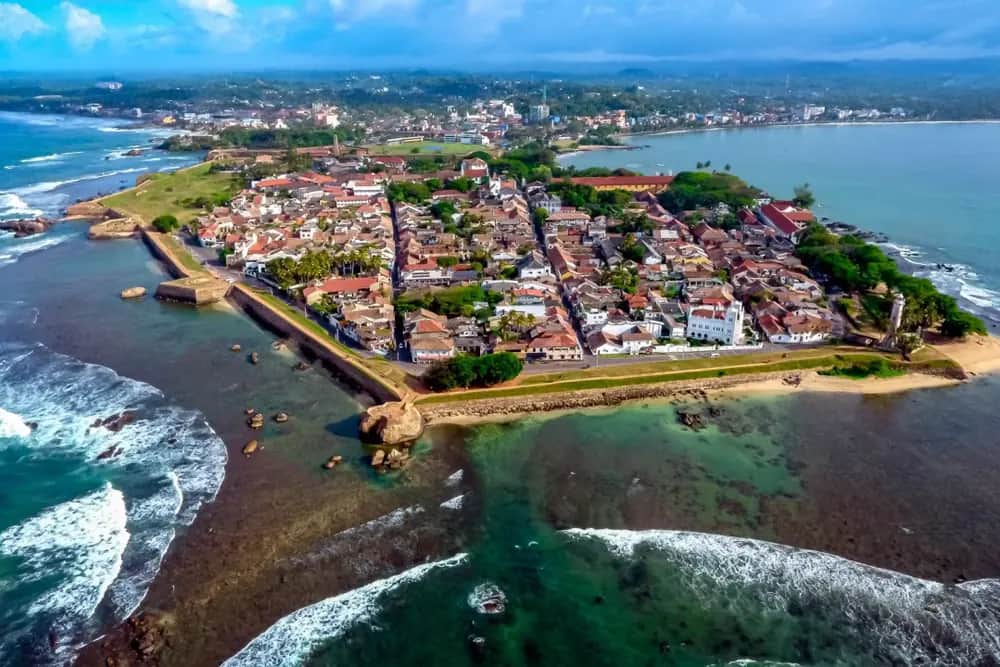
Galle is a historic port on the south coast, best known for its fort, a UNESCO World Heritage Site. Walk the ramparts at sunset and explore streets of colonial houses, churches, museums and cafes, with beaches and tea estates nearby.
Image Credit: ShutterStock
Kaudulla
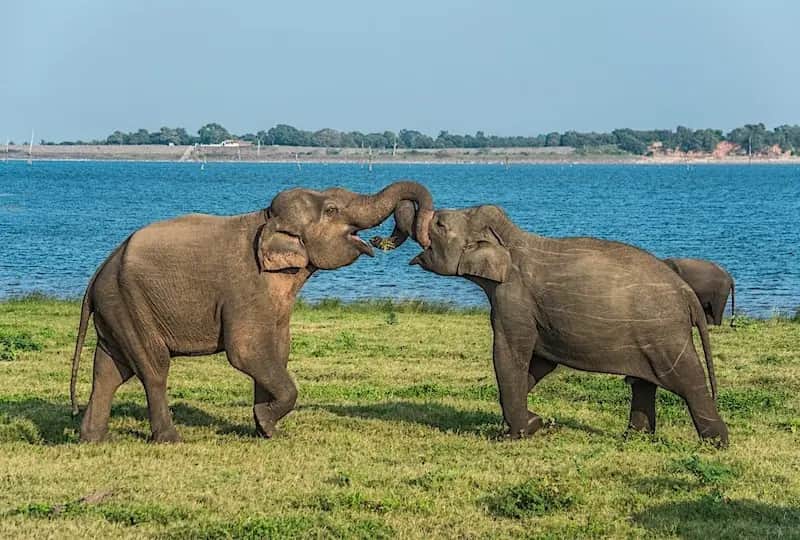
Kaudulla National Park, near Habarana, is built around an ancient tank on the elephant corridor with Minneriya. Late in the dry season many herds move here, making it one of the best places in the country to watch elephants graze.
Image Credit: ShutterStock
Arugam Bay
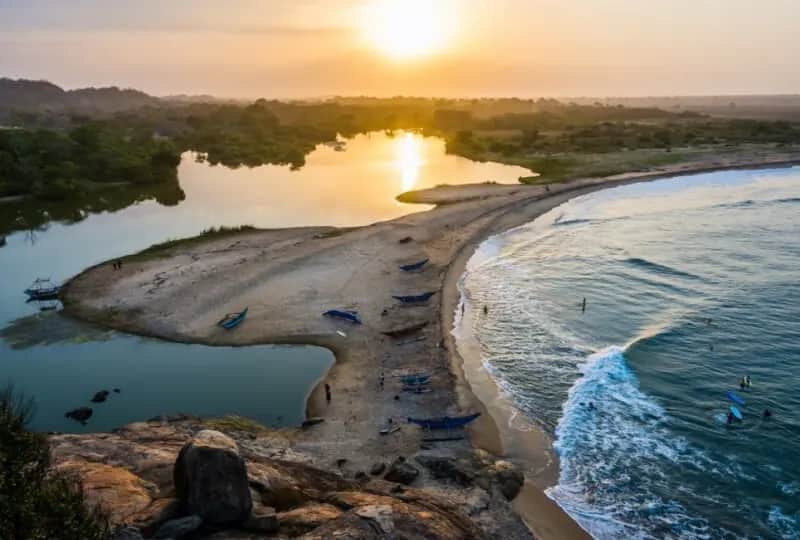
Arugam Bay, on the east coast, is Sri Lanka's best known surf town, with point breaks that work from about April to October. Lagoon safaris, Lahugala and Kumana parks and old forest monasteries lie close by.
Image Credit: ShutterStock