

Highlights
- Climb the steps at Mihintale, where Buddhism came to Sri Lanka
- Visit the sacred Sri Maha Bodhi tree
- See the huge stupas of Ruwanwelisaya and Jetavanaramaya
- Visit the Isurumuniya rock temple beside its pool
- Go on safari at Wilpattu, about an hour away
- See the standing Buddha of Aukana carved from rock
Overview
Anuradhapura was the capital of Sri Lanka for well over a thousand years, from around the 4th century BC until the early 11th century AD. It was one of the great monastic cities of the ancient world, and today its huge dagobas, monastery ruins and reservoirs are spread across a wide area. It is a UNESCO World Heritage Site and one of the most sacred places in Sri Lanka, visited by pilgrims every day.
History
Tradition says the city was named after Anuradha, a follower of Prince Vijaya, and that King Pandukabhaya made it the capital in the 4th century BC. In the 3rd century BC, Mahinda, son of the Indian emperor Ashoka, brought Buddhism to King Devanampiya Tissa at nearby Mihintale, and the city became a great centre of the faith. Kings built monasteries, stupas and large reservoirs such as Tissa Wewa and Nuwara Wewa, which watered the rice fields that fed the city. Invasions from South India weakened the kingdom, and after the Cholas took the city in the early 11th century the capital moved to Polonnaruwa.
The sacred city
Sri Maha Bodhi
The Sri Maha Bodhi is believed to have grown from a cutting of the tree at Bodh Gaya under which the Buddha attained enlightenment, brought here in the 3rd century BC. It is often described as the oldest living tree planted by people with a known date. Pilgrims gather here in white clothes, especially on full moon days.
The great dagobas
The white dome of the Ruwanwelisaya, built by King Dutugemunu in the 2nd century BC, rises above a terrace lined with carved elephants. The brick Jetavanaramaya, raised by King Mahasena in the 3rd century AD, was among the tallest structures of the ancient world. Thuparama, small and ringed with slender pillars, is thought to be the island's oldest stupa.
Monasteries and carvings
The Abhayagiri monastery complex, founded by King Vattagamani Abhaya, has its own great stupa, the Samadhi Buddha statue in meditation, the Twin Ponds (Kuttam Pokuna) and some of the finest moonstones. Between the Bodhi tree and Ruwanwelisaya stand the stone pillars of the Lovamahapaya, or Brazen Palace, once a multi-storey building for monks. Isurumuniya, a rock temple beside Tissa Wewa, is famous for its carvings, including the Lovers, and the nearby royal pleasure gardens have rock-cut bathing pools.
Mihintale
About 12 km east, Mihintale is where Mahinda is said to have met the king and introduced Buddhism. A long stairway leads past shrines and caves to the summit, with wide views over the plains. It is the centre of the Poson festival on the June full moon, when large numbers of pilgrims come.
Tickets and tips
Foreign adults pay US$30 for the Anuradhapura ticket, with half price for children (Central Cultural Fund rates, October 2026), and the ticket is checked at several monuments. The Sri Maha Bodhi and Ruwanwelisaya are active temples. Wear light clothes that cover shoulders and knees, white if you like, and be ready to go barefoot on hot stone. Start early, carry water, and rent a bicycle or hire a tuk-tuk, as the sites are spread out.
Getting there
Anuradhapura is about 200 km from Colombo, around four to five hours by road. Trains from Colombo Fort take about four to five hours, and there is a train from Kandy as well. By road it is about one and a half hours from Dambulla and Sigiriya.
When to go and how long to stay
The city is in the dry zone and is hot for much of the year. Most rain falls from about October to January. A full day covers the main sacred sites, and a second day lets you add Mihintale and the quieter ruins.
More to see
The Miriswetiya dagoba, by Tissa Wewa, is linked to King Dutugemunu, who according to the chronicles built it where his sceptre containing a relic could not be pulled from the ground. The royal pleasure gardens, Ranmasu Uyana, between Isurumuniya and the lake, have rock-cut pools fed by an ancient water system. The Archaeological Museum in the old British administrative buildings displays finds from across the site.
Suggested plan
Begin at dawn at the Sri Maha Bodhi, when pilgrims make their first offerings, then walk to Ruwanwelisaya and the Lovamahapaya. Ride on to Thuparama and the Abhayagiri complex, with its museum, Samadhi Buddha and Twin Ponds, before the midday heat. After a long lunch, visit Jetavanaramaya and Isurumuniya, and end at Tissa Wewa for sunset. Climb Mihintale early the next morning on the way to Trincomalee or the Cultural Triangle.
Where to stay and eat
Hotels and guesthouses cluster in the new town and near the ancient reservoirs, which are pleasant at sunset. Rice and curry is served everywhere, with western and Indian dishes in most hotels. Compare hotels in Anuradhapura.
Day trips
The Aukana Buddha, a standing statue about 12 metres high carved from the rock, is about an hour's drive to the south-east. Wilpattu National Park, known for leopards and its natural lakes, is about an hour to the west.
Related posts

Negombo
Negombo is a beach and fishing town close to the airport, the usual place for a first or last night in Sri Lanka. Its lagoon, early morning fish market, Dutch fort and many churches make it worth more than a transit stop.
Image Credit: ShutterStock

Gal Oya
Gal Oya National Park surrounds the Senanayake Samudraya reservoir in the east. It is one of the few parks in Sri Lanka with boat safaris, and in the dry months elephants are sometimes seen swimming between the islands.
Image Credit: ShutterStock
Wilpattu
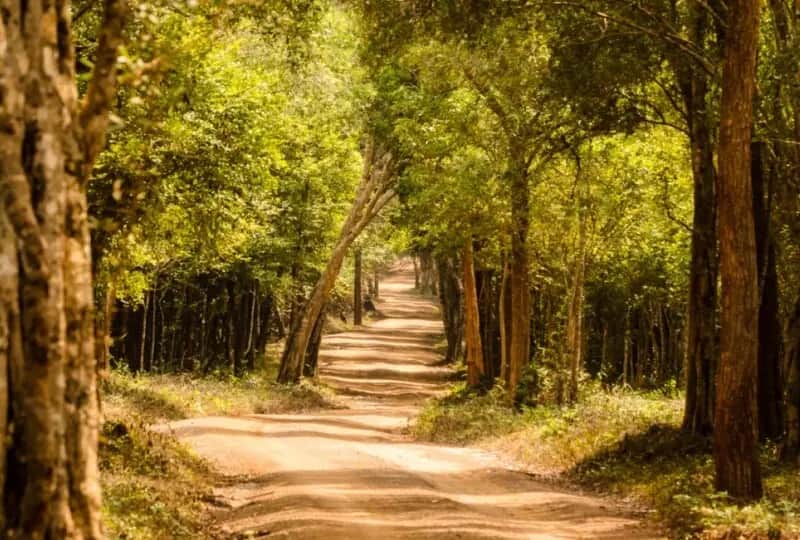
Wilpattu, on the north-west coast, is Sri Lanka's largest national park. Natural lakes called villus dot its quiet forest, and leopards and sloth bears are the main reasons to spend a day on its sandy tracks.
Image Credit: ShutterStock

Beruwela
Beruwala, south of Colombo, is thought to be one of the earliest Muslim settlements in Sri Lanka. A long resort beach, a busy fishing harbour, the Kechimalai Mosque and Bevis Bawa's Brief Garden are its highlights.
Image Credit: ShutterStock
Weligama
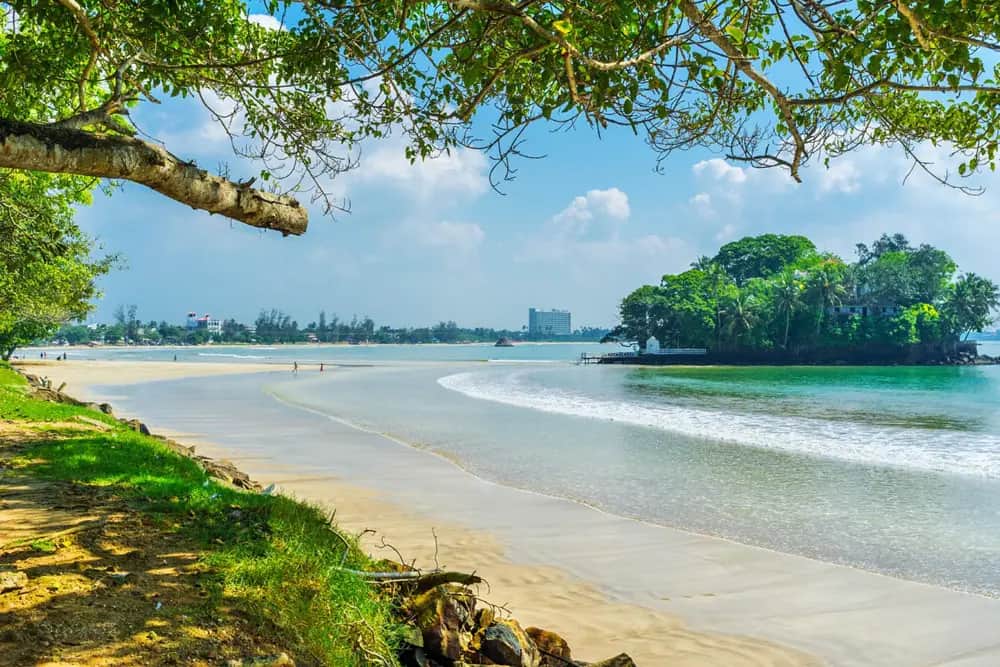
Weligama, on the south coast, has a wide sandy bay with gentle waves that make it one of the best places in Sri Lanka to learn to surf. Stilt fishermen and tiny Taprobane Island are close by.
Image Credit: ShutterStock

Unawatuna
Unawatuna, just east of Galle, is a sheltered bay with calm swimming in season, diving and snorkelling. Jungle Beach and the Japanese Peace Pagoda sit on Rumassala hill above it.
Image Credit: ShutterStock