

Highlights
- Take a boat trip on Negombo Lagoon
- See mangroves and fishing canoes on the lagoon
- Look for birds and crocodiles in the Muthurajawela wetlands
- Visit the Lellama fish market early in the morning
- Eat crab, prawns and cuttlefish at beachside restaurants
- See St Mary's Church and other churches in the town
- Relax on the long beach north of the town
- See the gate and clock tower of the old Dutch fort
Overview
Negombo is a beach and fishing town on the west coast, at the mouth of the Negombo Lagoon and only about 7 km from Bandaranaike International Airport. That makes it the usual place to spend the first or last night of a trip. It is more than a transit stop, though: the town has a long beach, a busy fish market, a lagoon fringed with mangroves, a Dutch canal and so many churches that it is sometimes called Little Rome.
History
Negombo's sheltered lagoon made it a trading port long before Europeans arrived, and the area was known for its cinnamon. Its name is usually traced to the Tamil Neerkolombu. The Portuguese built a fort here in the 16th century and took control of the cinnamon trade, and their missionaries converted much of the fishing community to Catholicism, which remains strong today. The Dutch captured Negombo in the 1640s, rebuilt the fort and extended the canal system, and the British followed at the end of the 18th century. Traditional fishing, with outrigger canoes and lagoon nets, still supports many families.
Main sights
Negombo Beach
The long golden Negombo Beach runs north from the lagoon mouth past the hotel strip of Lewis Place and Porutota Road. It is good for sunset walks and beach games, and water sports such as kayaking, sailing and jet skiing are on offer. The sea can be rough outside the main season, so check conditions before swimming.
The fish market
The Negombo fish market, known locally as Lellama, near the lagoon mouth is one of the largest in the country. Come early in the morning to see boats unloading and fish being auctioned; on the beach nearby, fish are laid out to dry in the sun.
Lagoon and wetlands
Boat trips on the Negombo Lagoon pass mangroves, fishing villages and water birds. To the south, the Muthurajawela wetlands, a sanctuary since 1996, are home to water monitors, crocodiles, monkeys, kingfishers and many butterflies and dragonflies.
Churches, fort and canal
St Mary's Church, in the town centre, is one of the largest churches in Sri Lanka, with a painted ceiling and many statues of saints. The remains of the Dutch fort near the lagoon include a gateway dated 1678; the site is still used as a prison, so it can only be seen from outside. The Hamilton Canal, built under the British in the early 1800s and named after the British official who oversaw the work, runs south towards Colombo and is part of the old waterway network linking Colombo and Puttalam. Boat trips along it show village life on the banks.
Angurukaramulla Temple
This Buddhist temple is known for its large seated Buddha statue and an entrance shaped like a dragon's mouth, with murals of the Buddha's life inside. See Angurukaramulla Temple.
Diving
Reefs, rocks and small caves off Negombo have lionfish, snappers, moray eels and groupers, along with some wrecks. The diving season runs from about November to April.
Getting there and around
From the airport, Negombo is about 20 to 30 minutes by car. From Colombo it is about 45 minutes on the Katunayake Expressway, and frequent buses and trains also run. Kandy is about three hours by road. In town, tuk-tuks are the easiest way to move between the beach, the market and the lagoon.
When to go and how long to stay
Negombo is hot and humid all year, usually 24 to 31°C. The beach season runs from about November to April. The south-west monsoon brings rain from about May to September, with more showers in October and November. One or two nights is typical, at the start or end of a trip.
Food
Negombo is known for seafood, from crab, prawns and lobster to lagoon fish, cooked in Sri Lankan curries or grilled. The beach strip has restaurants serving western, Italian, Thai and Japanese food alongside local dishes, and there are bars and pubs for the evening.
Further north
North of Negombo, the coast road runs past coconut plantations and fishing villages to Chilaw, with its Catholic churches and fish market, and to the lagoon at Mundal. Kalpitiya, for dolphins and kitesurfing, is about two and a half hours away.
Suggested plan
On an arrival day, rest by the pool and walk the beach at sunset. Next morning, visit the fish market early, then take a lagoon and canal boat trip and look into St Mary's Church on the way back. If you are leaving from Negombo, spend the final afternoon on the beach and allow plenty of time for the short airport transfer, as traffic can be slow at peak hours.
Where to stay
Most hotels line the beach north of town, from large resorts to small guesthouses, and some quieter places sit by the lagoon. Jetwing Lagoon, on the lagoon side, was designed by Geoffrey Bawa. Compare hotels in Negombo or see things to do in Negombo.
Day trips
The Hindu temples of Munneswaram and Manavari near Chilaw, linked to the Ramayana, are about an hour north. Colombo is an easy day trip, and the Pinnawala elephant orphanage is around two hours inland.
Related posts

Hikkaduwa
Hikkaduwa, on the south-west coast, is one of Sri Lanka's oldest beach resorts. A coral reef close to shore, turtles in the shallows, surf breaks and lively nightlife keep it popular from about November to April.
Image Credit: ShutterStock
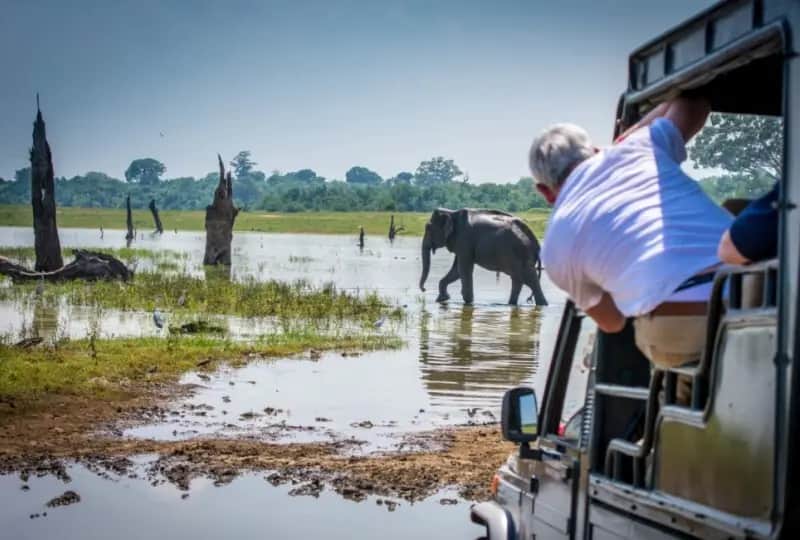
Udawalawe
Udawalawe National Park, around a large reservoir on the edge of the hills, is the most reliable place in Sri Lanka to see wild elephants on safari. The Elephant Transit Home nearby raises orphaned calves for release back into the wild.
Image Credit: ShutterStock

Ahungalle
Ahungalle is a quiet beach village between Bentota and Ambalangoda, home to a Geoffrey Bawa beach hotel. The Madu River mangroves, turtle hatcheries and Ambalangoda's mask workshops are all close by.
Image Credit: ShutterStock
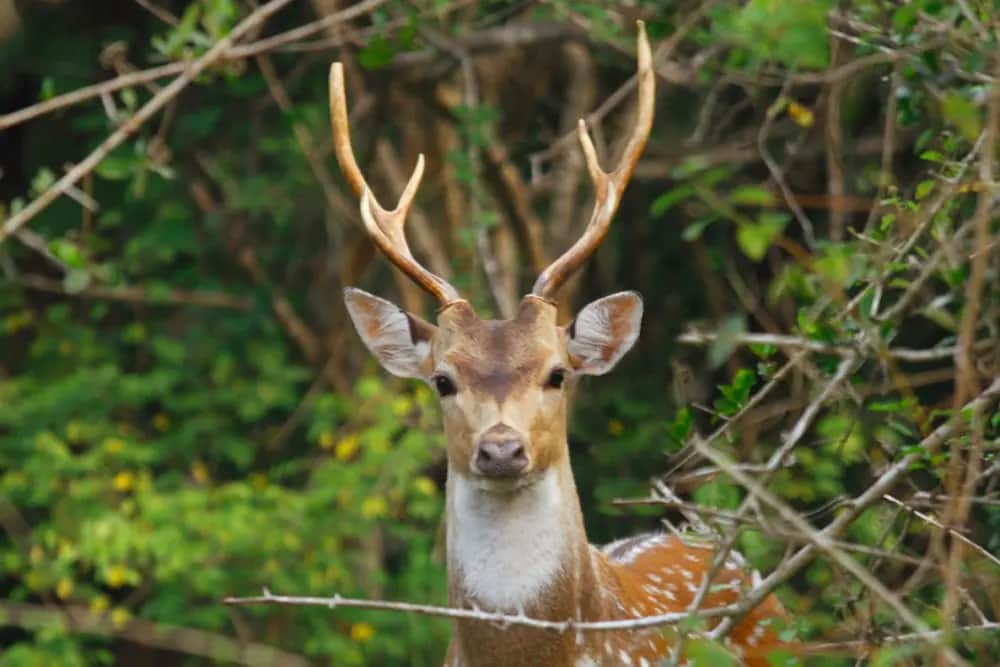
Yala
Yala National Park in the south-east is Sri Lanka's most visited park and one of the best places in Asia to see leopards. Elephants, sloth bears, crocodiles and many birds live among its scrub, lagoons and rocky outcrops by the sea.
Image Credit: ShutterStock

Polonnaruwa
Polonnaruwa, the medieval capital of Sri Lanka, is a UNESCO World Heritage Site of palaces, temples and the Gal Vihara rock carvings. The great Parakrama Samudraya reservoir still waters the fields around it, and the ruins are easy to explore by bicycle.
Image Credit: ShutterStock
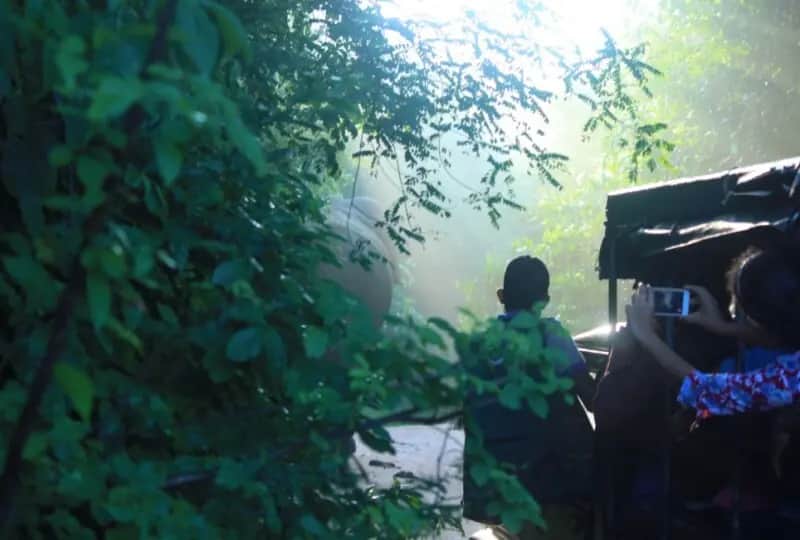
Wasgamuwa
Wasgamuwa National Park lies between the Mahaweli and Amban rivers and sees few visitors. It is a good park for elephants and sloth bears, with ancient ruins and around 140 recorded bird species.
Image Credit: ShutterStock