
Highlights
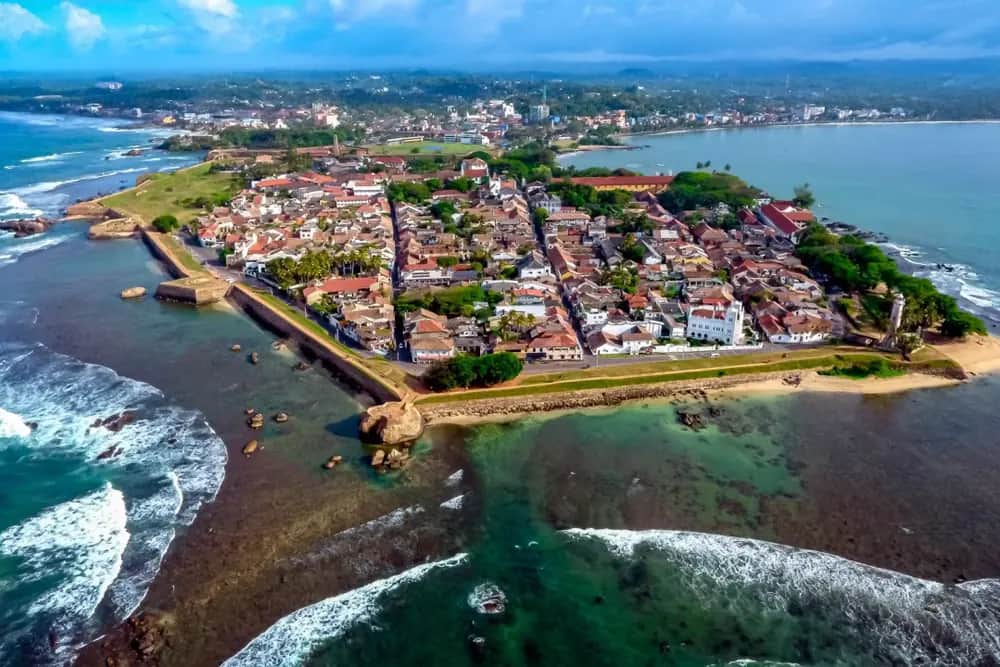
- Walk the ramparts of Galle Fort, a UNESCO World Heritage Site, at sunset
- Explore the fort's churches, museums and colonial streets
- Visit the beaches of Unawatuna and Hikkaduwa nearby
- See turtle hatchlings at a hatchery on the coast
Overview
Galle is the main town of the south coast, best known for Galle Fort, a walled old town on a headland surrounded by the sea on three sides. The fort was begun by the Portuguese and greatly expanded by the Dutch, and it is a UNESCO World Heritage Site. Unlike many old forts, it is still a living town, with homes, schools, churches, mosques, cafes, galleries and small hotels inside its walls.
History
Galle's natural harbour was a trading port long before Europeans arrived, used by Arab, Persian, Chinese and Indian merchants. The Portuguese reached Sri Lanka in the early 16th century and later built the first fortifications here. The Dutch captured Galle in 1640 and rebuilt the fort largely as it stands today, with stone ramparts and bastions. Under the British, Galle remained an important port until Colombo's harbour took over in the late 19th century. The fort's Dutch street plan, churches and merchant houses survive, which is why it is one of the best preserved colonial towns in Asia.
Inside the fort
The ramparts
The walk along the ramparts is the best introduction. Start at the main gate, pass the clock tower and the Moon, Sun and Star bastions, and continue to Flag Rock and the lighthouse. Late afternoon, when the heat eases and locals come out to watch the sunset, is the nicest time.
Streets and buildings
Inside the walls, the Dutch Reformed Church, the Old Dutch Hospital (now shops and restaurants), the Meeran Mosque, the National Maritime Museum and the old warehouses are all within a few minutes' walk. Many of the restored villas are now boutiques and cafes. See the Galle Fort experience or take a guided Galle Fort walking tour. For an afternoon treat, try high tea at Amangalla, in one of the fort's oldest hotels.
Outside the walls
The Galle International Stadium, right beside the fort, is one of the most scenic Test cricket grounds in the world. Across the bay, Rumassala hill is linked by legend to the Ramayana and has a Japanese Peace Pagoda with views back to the fort. The harbour and nearby coast have reefs and wrecks for divers.
Getting there and around
Galle is about 120 km from Colombo, roughly one and a half to two hours on the Southern Expressway. The older coast road takes much longer but passes the beach towns. Trains from Colombo Fort run along the coast and take around two to three hours. Inside the fort, everything is walkable; use tuk-tuks for the beaches and sights nearby.
When to go and how long to stay
The south coast is driest and the sea calmest from about November to April. Galle can be visited all year, as the fort is not a beach destination, but the south-west monsoon brings rain from about May to September. One full day covers the fort; two or three nights let you add the beaches and day trips.
Food
The fort is full of cafes and restaurants, from simple rice and curry places to fine dining, and seafood is the speciality. Galle has a long-established Muslim community, and its food influences, along with Dutch Burgher dishes, show up on local menus. Gelato shops and cafes in the Old Dutch Hospital are popular for a break.
A day in Galle
Start early with the ramparts walk from the main gate to the clock tower and Sun Bastion, while it is still cool. Mid-morning, explore the grid of streets inside: Church Street, Lighthouse Street and Pedlar Street, with the Dutch Reformed Church, the Maritime Museum and the Old Dutch Hospital. Have lunch inside the fort, then rest through the hottest hours or head to Unawatuna for a swim. Return for sunset on the ramparts near the lighthouse or Flag Rock, where local families gather and boys dive from the rocks.
Practical tips
The fort is a lived-in town, so dress modestly away from the beach and be respectful when photographing homes, churches and the mosque. Prices inside the walls are higher than in the new town. Touts may offer tours or gem shop visits; a polite no is enough. Traffic in the new town near the bus and train stations is heavy, so walk or take a tuk-tuk for short hops.
Where to stay
Staying inside the fort, in a restored colonial house or boutique hotel, lets you enjoy it in the evening after day visitors leave. Beach hotels line the coast on either side, from Unawatuna to Koggala and Ahangama. Compare hotels in Galle.
Day trips
Unawatuna and its sheltered bay are about ten minutes away. Koggala has stilt fishermen and a lake with boat trips, and the Habaraduwa turtle hatchery works to protect sea turtles. Inland, the Kanneliya rainforest has trails and endemic species, and tea estates welcome visitors. Hikkaduwa, Mirissa (for whale watching) and Sinharaja rainforest are all within reach. For more ideas see things to do in Galle.
Related posts
Bentota
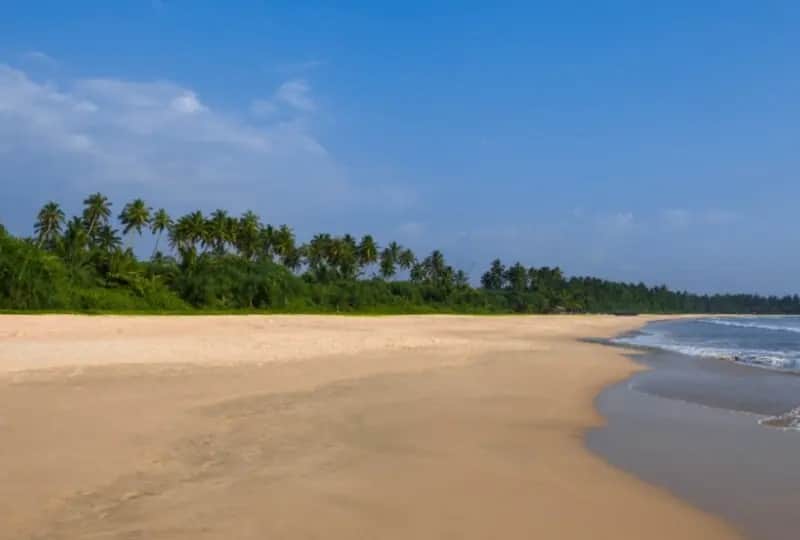
Bentota, where the Bentota river meets the sea, is one of the best known resorts on the south-west coast. Water sports on the river, a long beach, Ayurveda resorts and Geoffrey Bawa's Lunuganga estate set it apart.
Image Credit: ShutterStock
Kumana
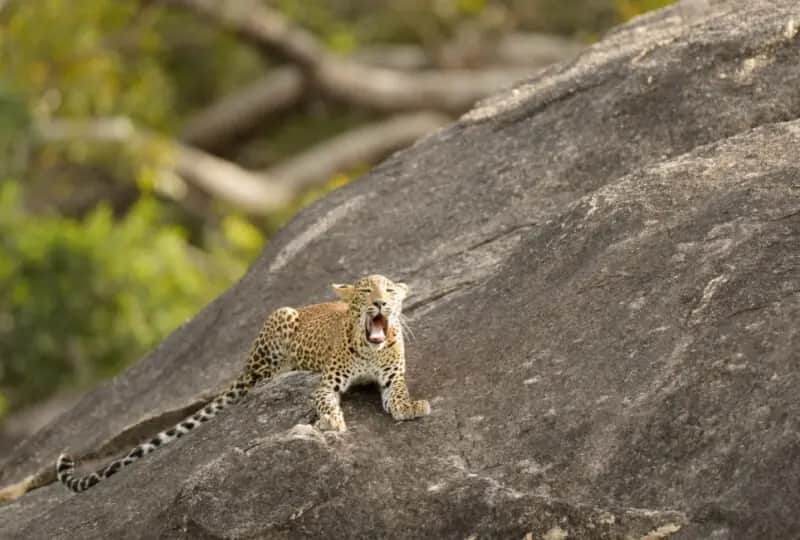
Kumana National Park, south of Arugam Bay, is one of Sri Lanka's best places for water birds. Pelicans, storks and spoonbills nest in the Kumana Villu wetland around May and June, and leopards and elephants share the park with far fewer jeeps than Yala.
Image Credit: ShutterStock
Kaudulla
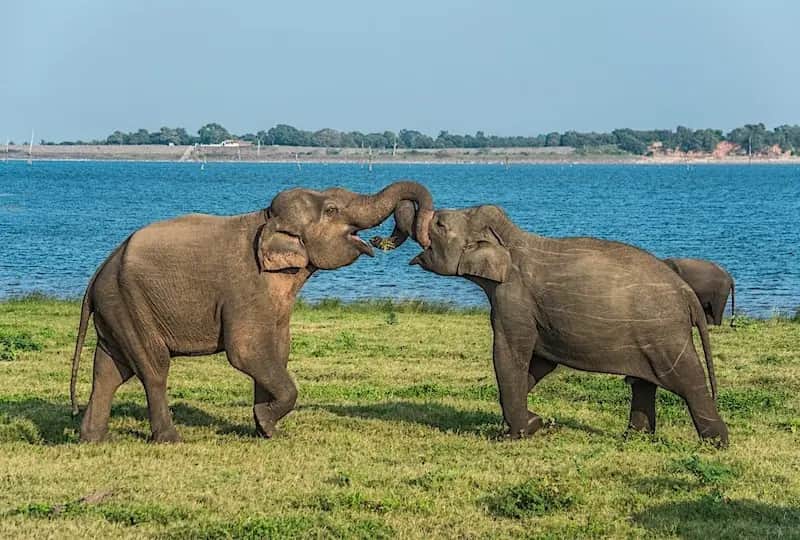
Kaudulla National Park, near Habarana, is built around an ancient tank on the elephant corridor with Minneriya. Late in the dry season many herds move here, making it one of the best places in the country to watch elephants graze.
Image Credit: ShutterStock
Wilpattu
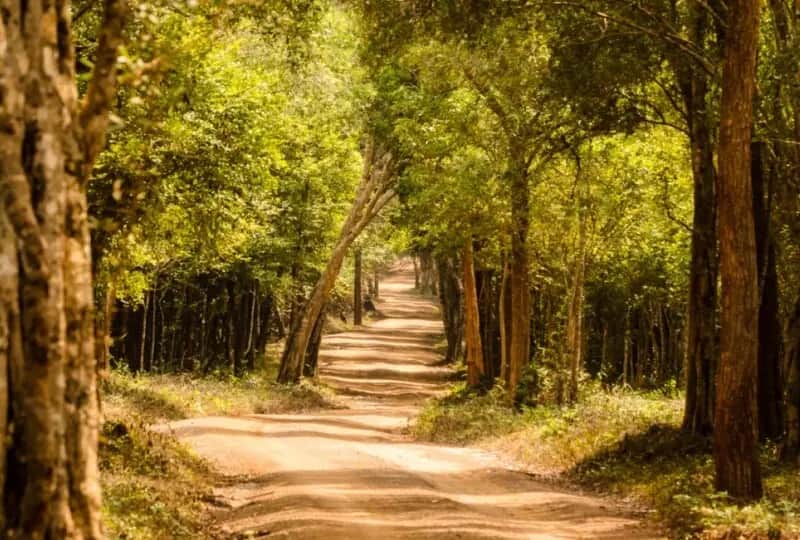
Wilpattu, on the north-west coast, is Sri Lanka's largest national park. Natural lakes called villus dot its quiet forest, and leopards and sloth bears are the main reasons to spend a day on its sandy tracks.
Image Credit: ShutterStock
Bundala
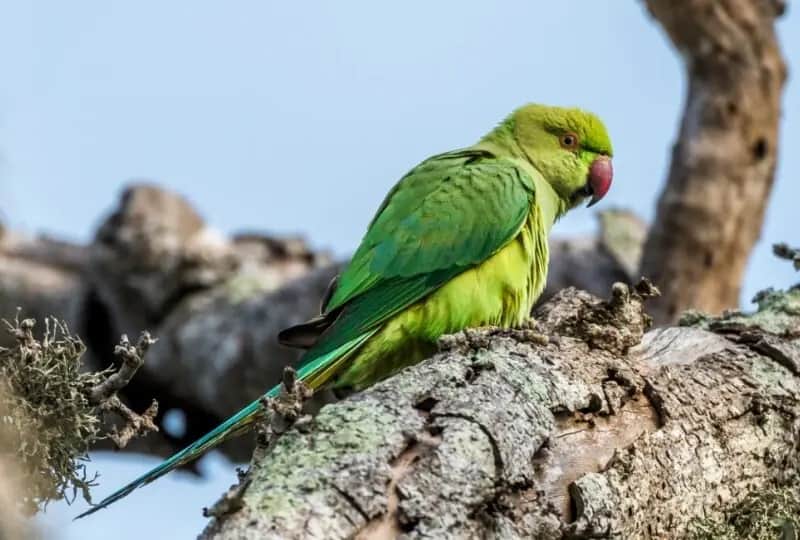
Bundala National Park on the south coast is a maze of shallow lagoons, salt pans and dunes. Sri Lanka's first Ramsar wetland, it draws flamingos and thousands of migrant birds from about September to March.
Image Credit: ShutterStock
Wasgamuwa
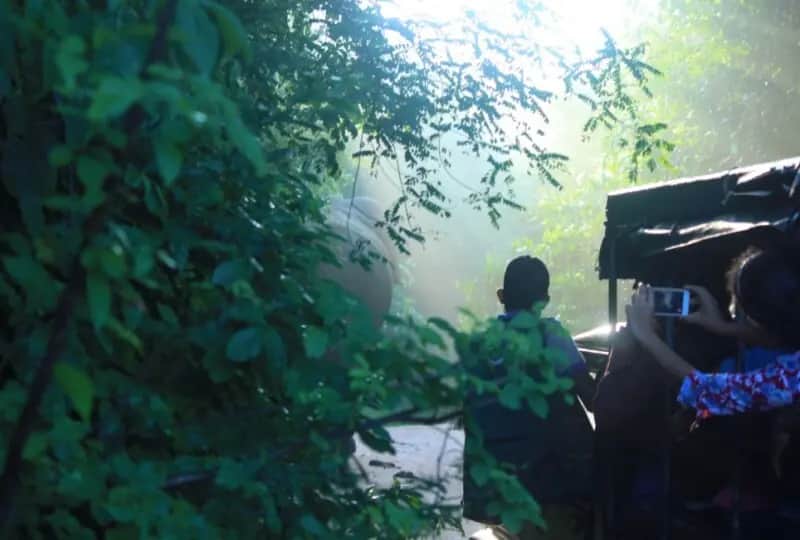
Wasgamuwa National Park lies between the Mahaweli and Amban rivers and sees few visitors. It is a good park for elephants and sloth bears, with ancient ruins and around 140 recorded bird species.
Image Credit: ShutterStock