
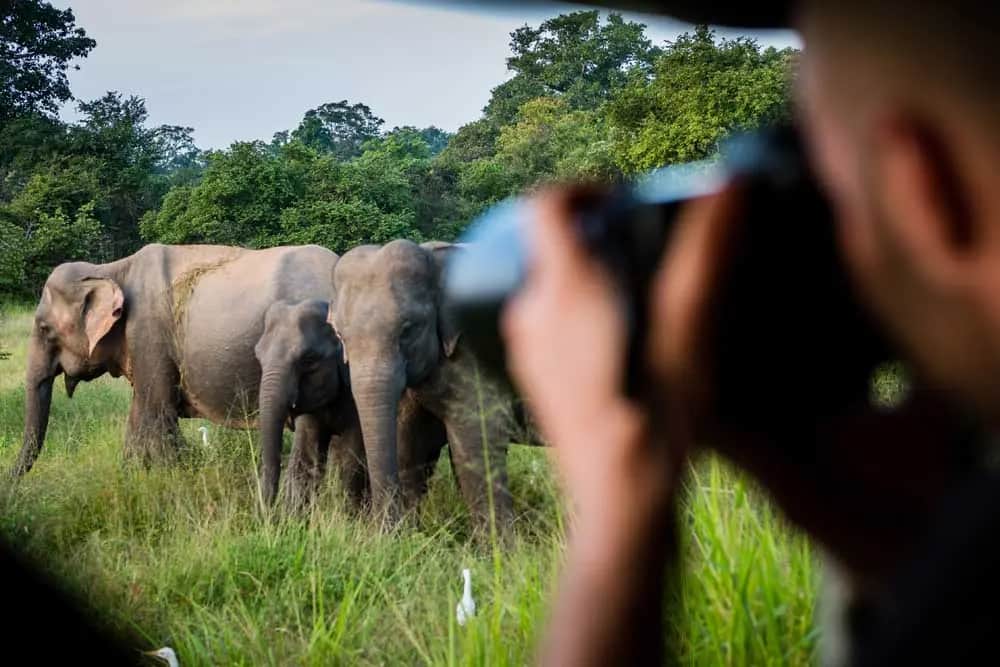
Yala is Sri Lanka's most famous safari park, and leopards are the reason. But the area around it is also one of the oldest settled parts of the island, with temples and stupas that go back more than two thousand years. A good Yala trip mixes both.
In the park
Safari
A Yala safari usually means a dawn start, with jeeps leaving around 5 am. Leopards, elephants, sloth bears, crocodiles and many birds live here; leopards are seen often, but not every day. Block 1 is the busiest. It usually closes for a few weeks each year around September and October; in 2026 it was shut from 14 September to 15 October.
Camping and glamping
For a night closer to the animals, try camping in a mobile tented camp, or glamping in a luxury tent near the park.
Situlpawwa
The Situlpawwa rock temple is inside the park, a steep climb up steps cut into the rock to a stupa with wide views over the forest.
Around the park
Tissamaharama has a large ancient stupa at the Tissamaharama Raja Maha Viharaya, and Yattala Vehera is nearby. Kataragama, about 30 minutes north, is a pilgrimage town sacred to Buddhists, Hindus and Muslims; visit the Kiri Vehera and the evening puja at the main shrine. On the coast, Kirinda's temple sits on a rock above the sea.
Where to stay
See our hotels for Yala or read the Yala guide.
Planning tips
- Morning drives usually start around 5 am; afternoon drives run until the park closes in the evening.
- A full day in the park gives the best chance of leopards, but is long and hot.
- Dress modestly in white or light colours at Kataragama and the temples.
Related posts
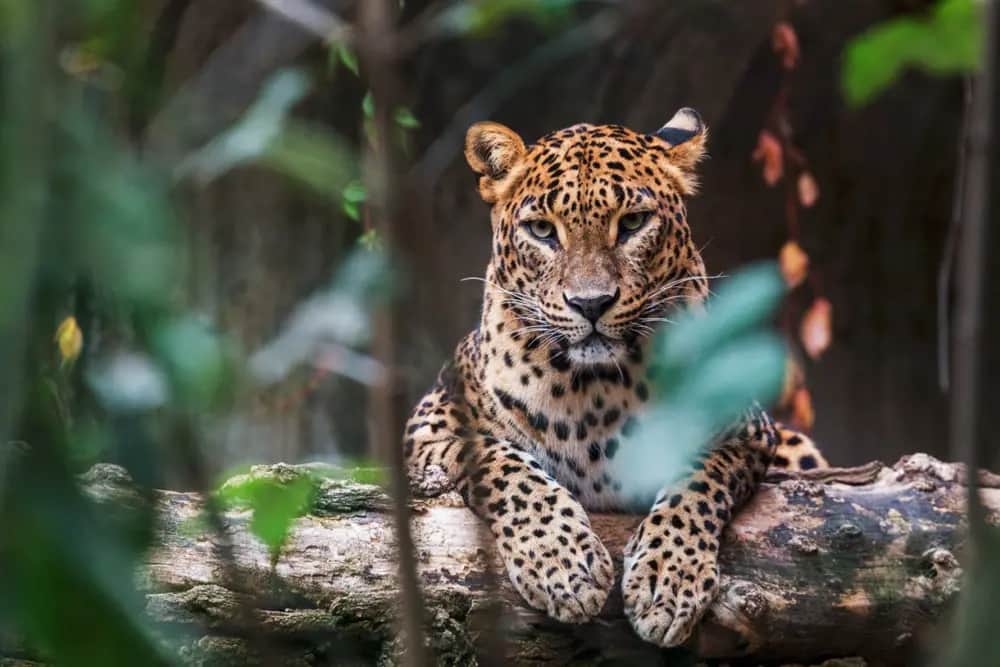
Yala National Park Safari
Yala National Park in the south-east is Sri Lanka's most visited park and one of the best places in Asia to see leopards. Elephants, sloth bears, crocodiles and many birds live among its scrub and lagoons.
Image Credit: ShutterStock

Camping at Yala National Park
Stay at a tented camp on the edge of Yala National Park, close to the wildlife and the gate for the dawn drive. Operators provide beds, meals and guides.
Image Credit: ShutterStock
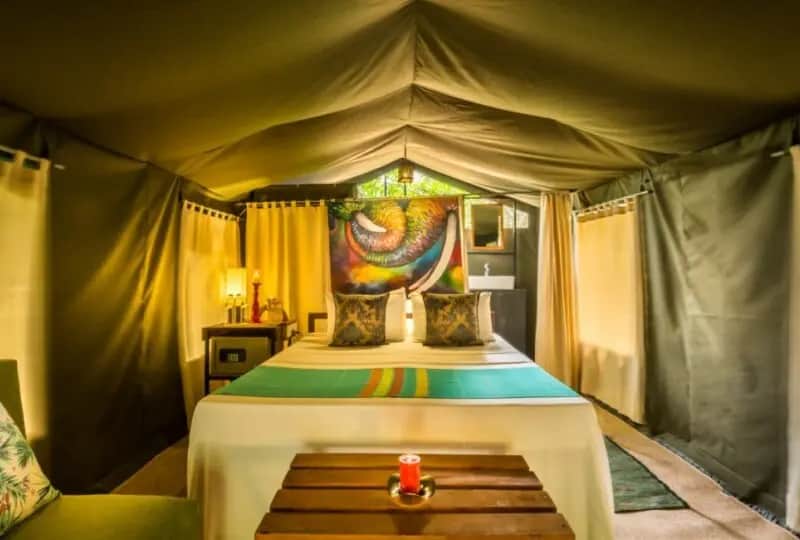
Glamping at Yala National Park
Glamping at Yala means a proper tent with a real bed, bathroom and good food on the edge of the national park. It is a comfortable way to stay close to the leopards and elephants.
Image Credit: ShutterStock

Situlpawwa Monastery
Situlpawwa is an ancient Buddhist monastery on a large rock in the Yala area, believed to date from the 2nd century BC. Climb to the stupa on top for views over the jungle.
Image Credit: ShutterStock

Lunugamvehera National Park
Lunugamvehera National Park, north of Tissamaharama, protects the catchment of the Lunugamvehera reservoir. It sees few visitors and links Yala with Udawalawe for elephants.
Image Credit: ShutterStock

Kataragama Kiri Vehera
Kiri Vehera is an ancient white stupa at Kataragama, one of the 16 most sacred Buddhist sites in Sri Lanka. Kataragama is also sacred to Hindus and draws pilgrims of many faiths.
Image Credit: ShutterStock

Akurugoda Stone Inscriptions
Akurugoda, near Tissamaharama, is one of the places in the old kingdom of Ruhuna where early writing cut in stone can be seen. The inscriptions are an important source for the island's early history.
Image Credit: ShutterStock
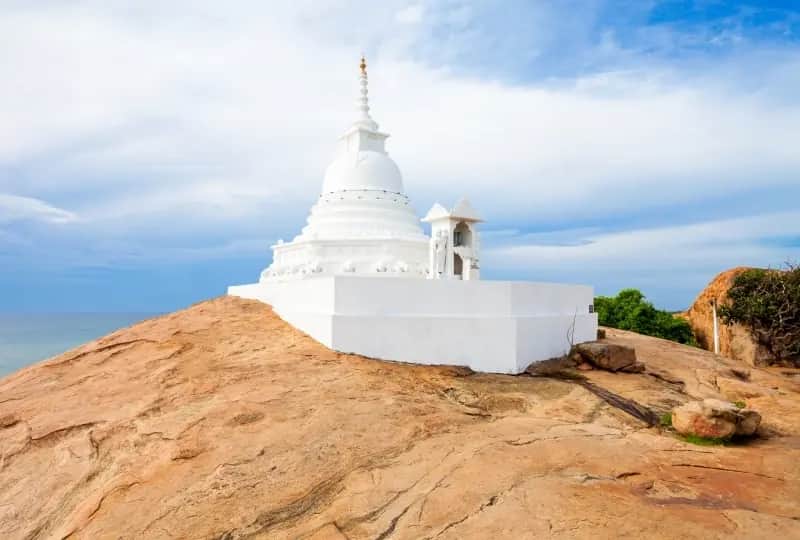
Kirinda Vihara Maha Devi Temple
Kirinda Raja Maha Viharaya is a Buddhist temple on a large rock by the sea at Kirinda, near Yala. It is linked to Viharamahadevi, the mother of King Dutugemunu, who in legend came ashore here.
Image Credit: ShutterStock
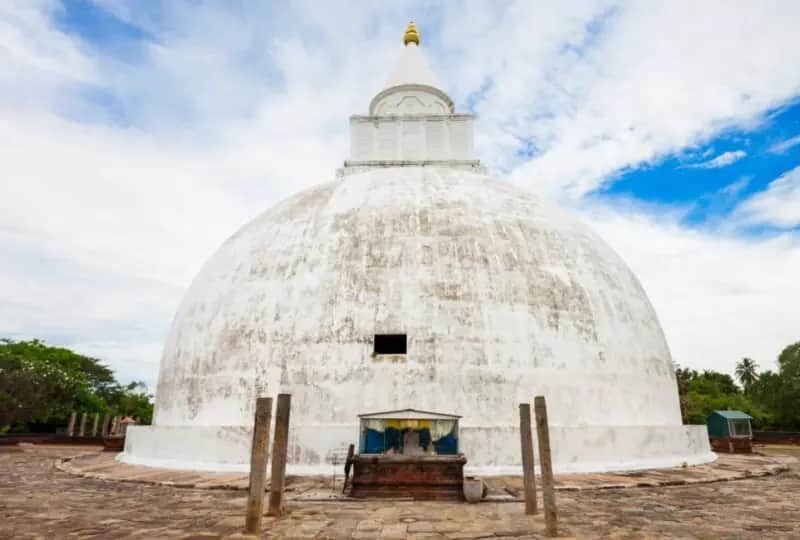
Yattala Vehera
Yattala Vehera is an ancient stupa on the edge of Tissamaharama, traditionally dated to around 2,300 years ago. It is surrounded by an elephant wall and the remains of an old monastery.
Image Credit: ShutterStock
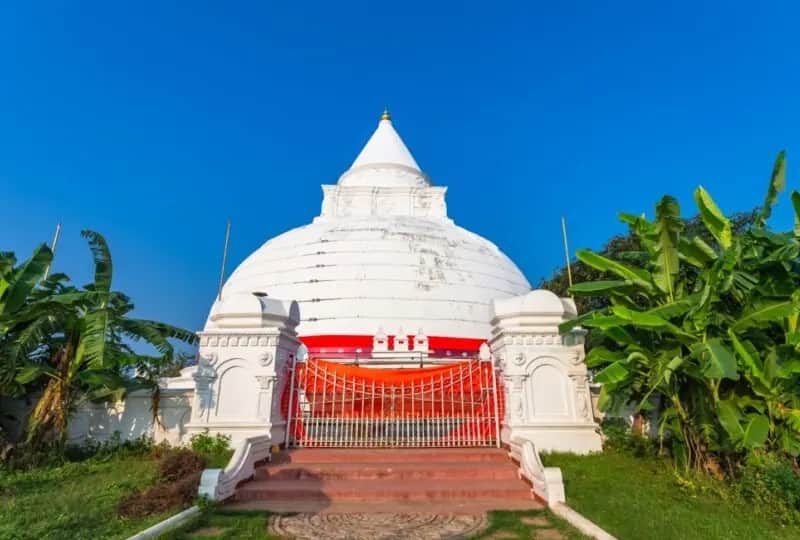
Tissamaharama Raja Maha Viharaya
The Tissamaharama Raja Maha Viharaya is the main temple of the old southern capital of Ruhuna. Its great white stupa is the largest in the south of the island.
Image Credit: ShutterStock