

Galle is a historic port on the south-west coast. Its fort, first built by the Portuguese and greatly extended by the Dutch in the 17th century, is a UNESCO World Heritage Site, with ramparts, churches, colonial houses, museums, cafes and boutiques inside its walls. It is the main town of the south coast and a good base for beaches, tea estates, rainforest and wildlife nearby.
Around Galle you can visit Unawatuna, Hikkaduwa and Rumassala, turtle hatcheries, a low country tea factory and the Kanneliya rainforest.
Top things to do in Galle
Galle Fort
Walk the ramparts from the clock tower to the lighthouse and Flag Rock, ideally at sunset. Inside, see the Dutch Reformed Church, the old Dutch warehouse that houses the National Maritime Museum, and streets of colonial houses now used as cafes, shops and small hotels.
High tea at Amangalla
Amangalla, inside the fort, occupies the 17th century building of the former New Oriental Hotel. Afternoon tea on its veranda is a Galle tradition.
Tea factory visit
Low country tea estates inland from Galle produce strong teas. Factory tours explain withering, rolling, drying and grading, followed by a tasting.
Turtle hatchery
Hatcheries along the coast near Habaraduwa collect turtle eggs and release hatchlings, with information about the five turtle species that nest in Sri Lanka.
Kanneliya rainforest
Part of a UNESCO biosphere reserve, this lowland rainforest about an hour inland has trails, streams and waterfalls with many endemic plants and birds.
Diving
Dive sites off Galle include reefs and old shipwrecks; the season runs from about November to April.
Yoga and Ayurveda
Resorts and retreats along the coast around Galle offer yoga classes and Ayurveda treatments, from single massages to full programmes.
Nearby beaches
Unawatuna is about 15 minutes east, with Jungle Beach and the Japanese Peace Pagoda on Rumassala hill nearby. Hikkaduwa, with its reef and surf, is about 30 minutes north.
Best time to go
The best weather on the south-west coast is from about November to April. The south-west monsoon brings rain and rough seas from about May to September, though the fort can be visited all year.
How long to spend
Half a day is enough for a walk around the fort, but many visitors stay two or three nights to combine the fort with beaches, a tea estate and nearby sights.
Getting around
The fort is best explored on foot. Tuk tuks connect Galle with Unawatuna and other beaches, and trains run along the coast to Colombo and Matara. Galle is about two hours from Colombo on the Southern Expressway.
Plan your visit
Walk the ramparts in the late afternoon when it is cooler. For history, background and how to get there, see the Galle travel guide, and for accommodation see hotels in Galle.
Related posts
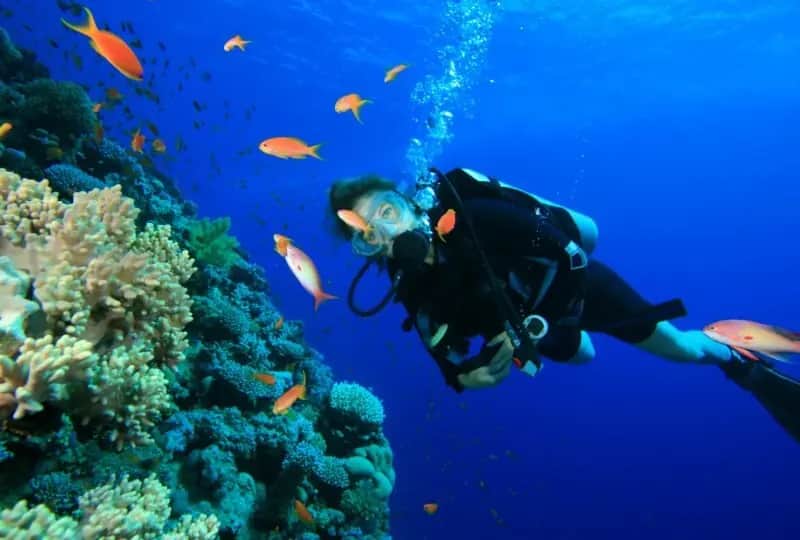
Diving in Galle
Galle has been a port for centuries, and the sea around its harbour holds many shipwrecks. Dive centres visit wrecks and reefs from about November to April.
Image Credit: ShutterStock
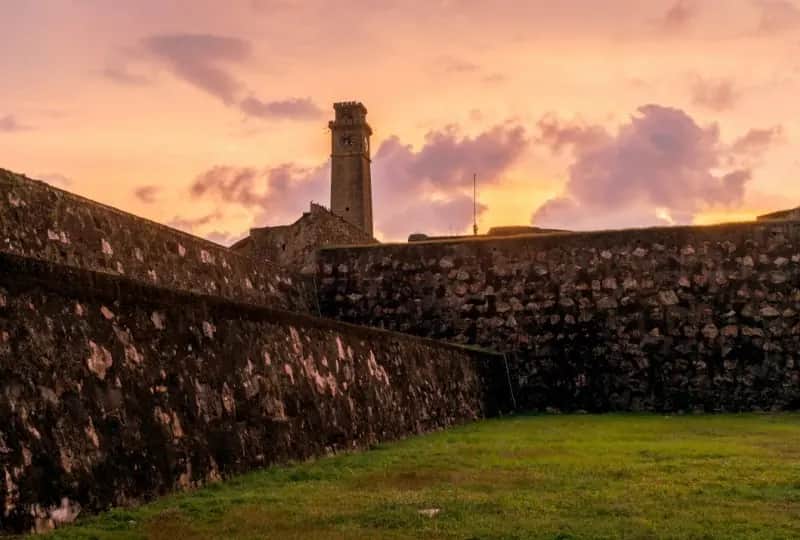
Galle Fort Experience
Galle Fort is the best preserved colonial fortified town in South and South-East Asia and a UNESCO World Heritage Site. Walk the ramparts and explore its churches, museums and streets of old houses.
Image Credit: ShutterStock
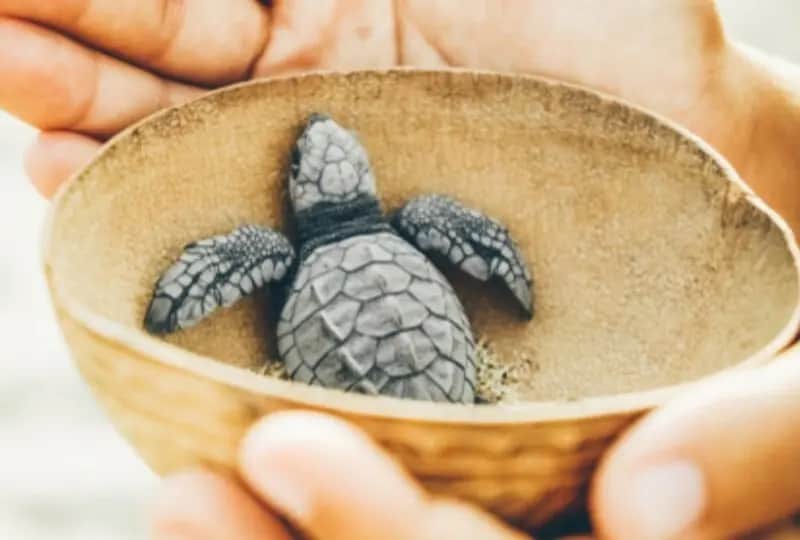
Habaraduwa Turtle Hatchery
The Habaraduwa turtle hatchery, between Galle and Koggala, was set up in 1986. Learn about the sea turtles that nest on the coast and see hatchlings before release.
Image Credit: ShutterStock
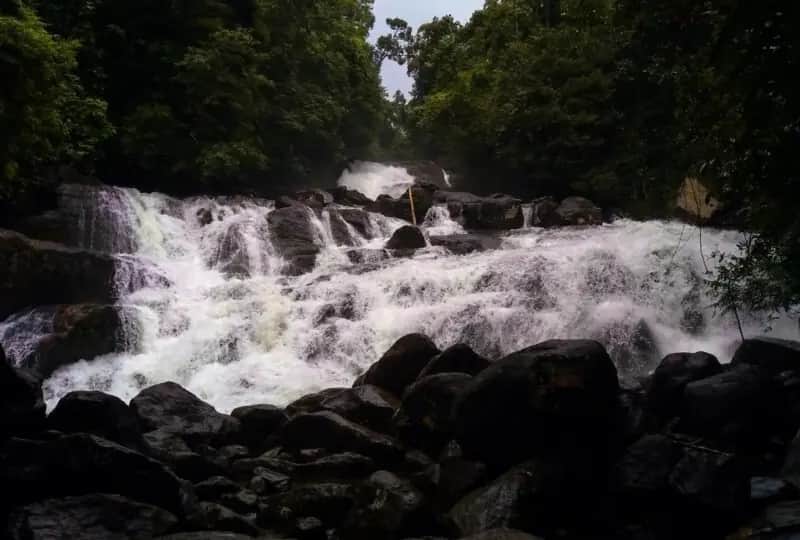
Kanneliya Rainforest
Kanneliya is a lowland rainforest about 35 km inland from Galle, part of a UNESCO biosphere reserve. Trails lead to streams and waterfalls with endemic birds and plants.
Image Credit: ShutterStock
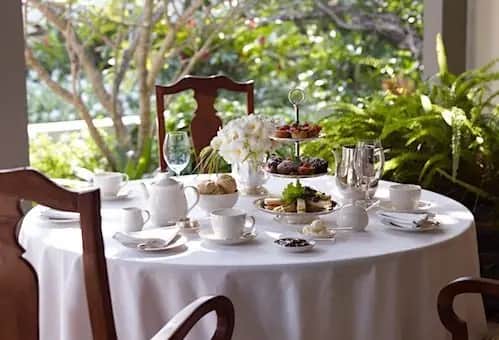
High Tea at Amangalla
Amangalla is a luxury hotel in a 17th century building inside Galle Fort, once the New Oriental Hotel. Afternoon tea on its veranda is a Galle tradition.
Image Credit: ShutterStock

Visit a Tea Factory in Galle
A lot of Ceylon tea is grown in the low country inland from Galle. Visit a factory to see how the strong low-grown teas are made and taste them.
Image Credit: ShutterStock