

Highlights
- Visit the Koneswaram temple on Swami Rock above the sea
- Walk through Fort Frederick, where spotted deer graze
- Snorkel among reef fish and blacktip reef sharks at Pigeon Island
- Relax on the beaches of Uppuveli and Nilaveli
- Look for blue whales and dolphins, mainly from about March to August
- See the natural harbour, a key naval base in the Second World War
- Visit the Kanniya hot wells inland
Overview
Trincomalee, often called Trinco, is the main town of the north-east coast. It has one of the finest deep-water natural harbours in the world, which has drawn traders, navies and pilgrims for more than two thousand years. Today visitors come for the long beaches of Uppuveli and Nilaveli, snorkelling at Pigeon Island, whale watching, and the clifftop Koneswaram Temple.
History
Trincomalee was an important Hindu pilgrimage site from early times, and it appears in old texts as Gokanna. The Tamil name Thirukonamalai, the sacred hill of Konam, became Trincomalee in English. Its harbour changed hands many times. The Portuguese destroyed the original Koneswaram temple in 1622 and used its stones to build a fort. The Dutch took the fort in 1639 and rebuilt it as Fort Frederick, and it passed between the Dutch, French and British before the British took control in 1795. During the Second World War the harbour was a major base for the British Eastern Fleet, and it remains a base for the Sri Lanka Navy and Air Force today.
Main sights
Fort Frederick and Koneswaram
Fort Frederick is still used by the army, but visitors can walk or drive through it to Swami Rock, where the rebuilt Koneswaram Temple, dedicated to Shiva, stands high above the sea. Pujas are held several times a day. Beside the temple, a deep cleft in the cliff is known as Ravana's Cleft, and the cliff edge as Lover's Leap.
Museums and temples
The Maritime and Naval History Museum, in a restored Dutch building, covers the harbour's history and marine life. Hoods Tower Museum, inside the naval dockyard, has guns and wartime relics. Velgam Vehera, an ancient Buddhist site north-west of town, dates back to the early centuries AD. The Kali Kovil on the road to the fort is one of the town's busiest Hindu temples.
Kanniya hot wells
About 8 km inland, the Kanniya hot wells are a group of small springs, each said to have a different temperature, linked by legend to King Ravana. The Trincomalee War Cemetery, on the road north, holds graves from the Second World War.
Beaches
Uppuveli, just north of town, and Nilaveli, about 15 km further, have long, calm beaches with clear water in season. Kuchchaveli, further north, is quieter. Marble Beach, south of the harbour and managed by the Air Force, has shallow, gentle water. See Trincomalee beaches.
Pigeon Island and diving
About a kilometre off Nilaveli, Pigeon Island, a national park since 2003, has shallow coral reefs with reef fish, turtles and blacktip reef sharks. Boats run from Nilaveli beach, and a park fee applies. Dive centres also visit Swami Rock and nearby wrecks. The best diving is from about April to October.
Whale watching
From about May to October, boats leave Trincomalee and Nilaveli to look for blue and sperm whales in the deep water off the coast, along with spinner dolphins. See whale and dolphin watching in Trincomalee. Eagles' Golf Links, run by the Air Force near Marble Beach, is the east coast's golf course.
Getting there
Trincomalee is about 260 km from Colombo, around five to six hours by road via Kurunegala and Dambulla. An overnight train runs from Colombo Fort, and buses run day and night. It is about two and a half hours from Sigiriya and Dambulla, so it is often combined with the Cultural Triangle.
When to go and how long to stay
The east coast has the opposite season to the south and west. The best time is from about April to September, when the sea is calm and clear. The north-east monsoon brings heavy rain and rough seas from about November to January. Three or four nights give time for the beaches, Pigeon Island and the town's sights.
Food
The town's markets and small restaurants serve the flavours of the north and east: crab and prawn curries, string hoppers, dosa and vadai for breakfast, and rice with sambar, pickles and sour lime chutney. Seeni sambol, a sweet onion relish, and hoppers are easy to find in the evening, and beach restaurants in Uppuveli and Nilaveli grill fresh fish to order.
Practical tips
Dress modestly in town and at temples, as the east coast is more conservative than the south. At Koneswaram, shoes are left at the entrance and men may be asked to remove shirts in the inner shrine. Book whale watching and Pigeon Island trips with a licensed operator, and do not touch the coral or feed the fish. Most beach hotels can arrange tuk-tuks and boats.
Where to stay and eat
Most beach hotels and guesthouses are in Uppuveli and Nilaveli, a short tuk-tuk ride from town. The food reflects the area's Tamil and Muslim communities: crab curry, fish curries, hoppers, dosa and kottu, often with sambar and pickles. Compare hotels in Trincomalee.
Related posts
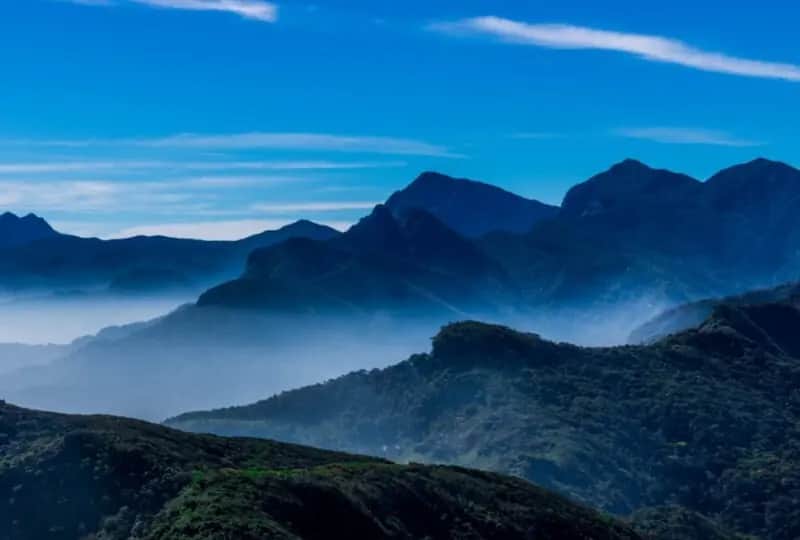
Knuckles Range
The Knuckles Range, north-east of Kandy, is a UNESCO-listed mountain area of cloud forest, grassland and waterfalls. Trails lead to viewpoints such as Corbet's Gap and to remote villages like Meemure.
Image Credit: ShutterStock
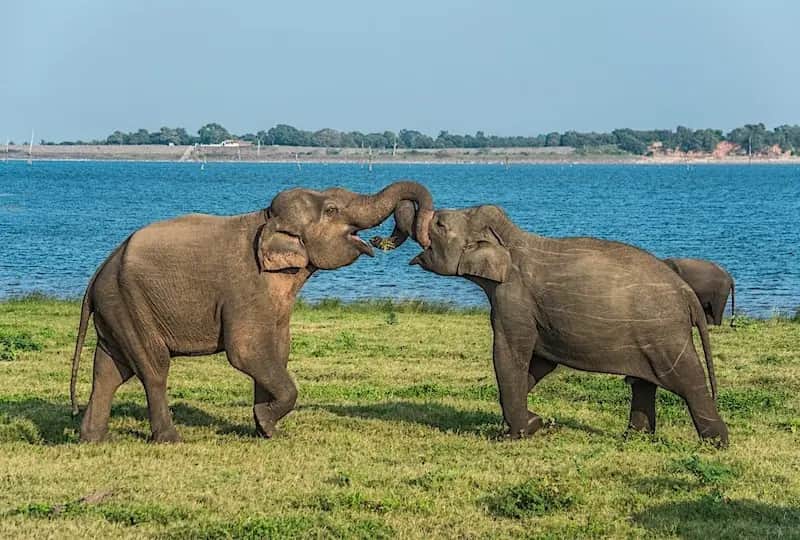
Kaudulla
Kaudulla National Park, near Habarana, is built around an ancient tank on the elephant corridor with Minneriya. Late in the dry season many herds move here, making it one of the best places in the country to watch elephants graze.
Image Credit: ShutterStock
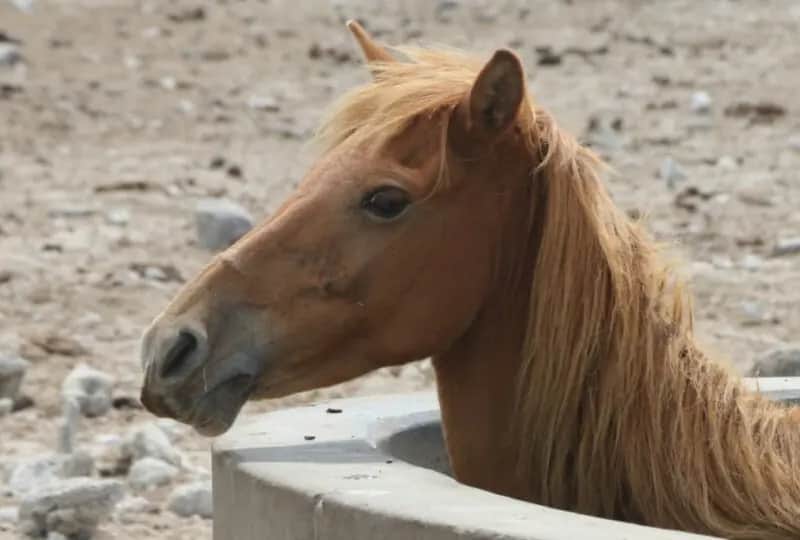
Delft Island
Delft is the largest of the islands off Jaffna, a windswept place of coral-stone walls, wild ponies and Dutch fort ruins. A ferry from Kurikadduwan makes it a full day trip from Jaffna.
Image Credit: ShutterStock
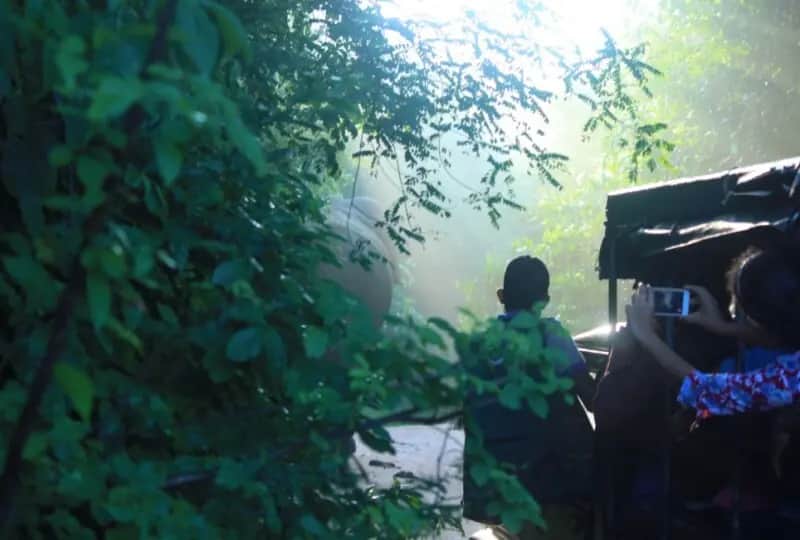
Wasgamuwa
Wasgamuwa National Park lies between the Mahaweli and Amban rivers and sees few visitors. It is a good park for elephants and sloth bears, with ancient ruins and around 140 recorded bird species.
Image Credit: ShutterStock

Gal Oya
Gal Oya National Park surrounds the Senanayake Samudraya reservoir in the east. It is one of the few parks in Sri Lanka with boat safaris, and in the dry months elephants are sometimes seen swimming between the islands.
Image Credit: ShutterStock
Dambulla
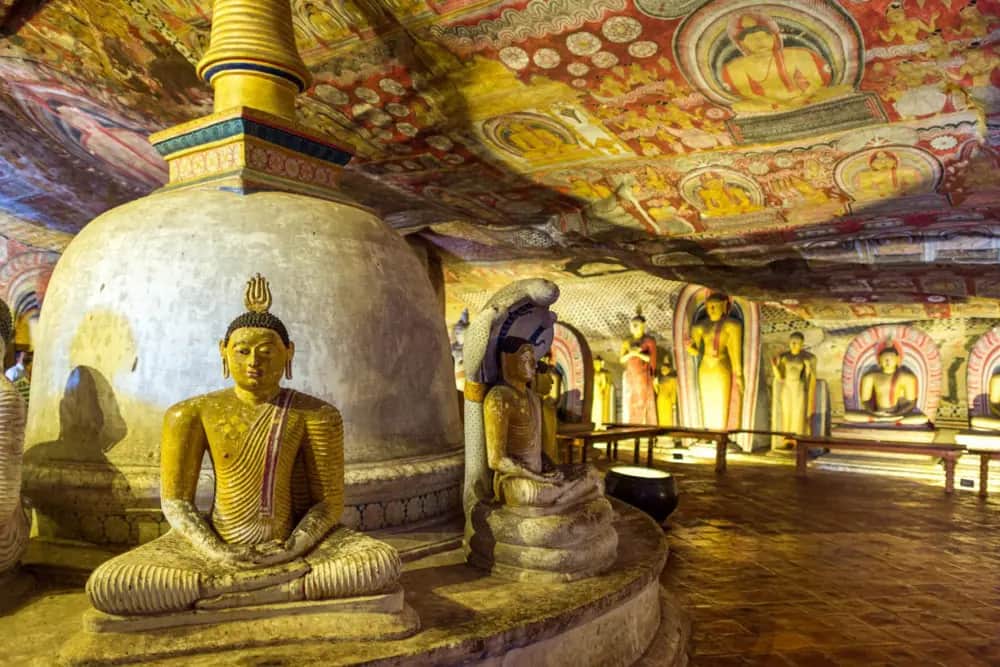
Dambulla, in the Cultural Triangle, is home to the Golden Cave Temple, a UNESCO World Heritage Site with painted caves and more than 150 Buddha statues. It is a central base for Sigiriya, the ancient cities and elephant safaris.
Image Credit: ShutterStock