
Highlights
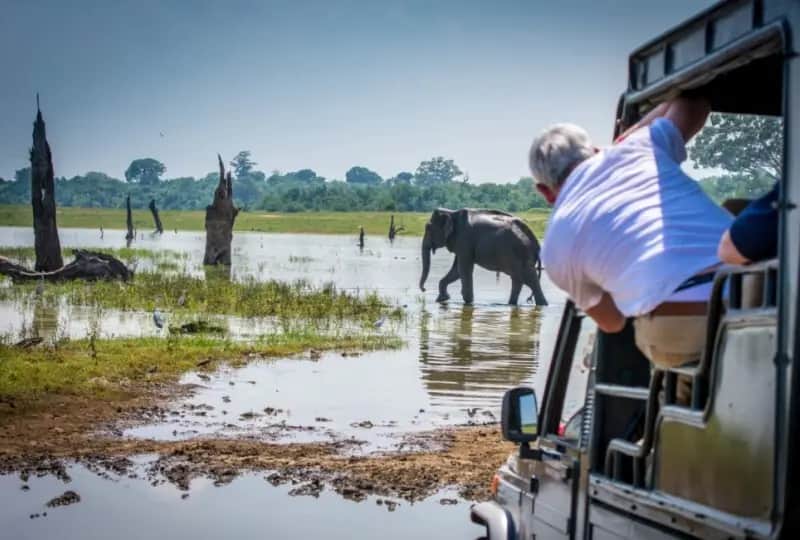
- See elephants on almost every safari in Udawalawe National Park
- Watch elephants come to drink at the large reservoir
- Look for water buffalo, crocodiles and many birds of prey
- Visit the Elephant Transit Home at feeding time
- Combine a safari with a drive up into the hills
- Watch for eagles and other raptors above the open grassland
Overview
Udawalawe National Park, on the border of Sabaragamuwa and Uva provinces, is one of the best places in Asia to see wild elephants. Its open grassland and scrub around a large reservoir make animals easy to spot, and herds are seen on almost every safari. The park also sits conveniently between the hill country and the south coast.
About the park
Udawalawe was declared a national park in 1972 to protect the catchment of the Udawalawe reservoir and to give a home to animals displaced by its construction. It covers about 30,800 hectares, mostly grassland, thorn scrub and teak plantation, with the Walawe River flowing through it. Hundreds of elephants live in the park, often seen in family groups at the water's edge.
Safaris
Jeep safaris run in the morning and afternoon; see Udawalawe National Park safari. Besides elephants, you may see water buffalo, spotted and sambar deer, jackals, mongoose, crocodiles and monitor lizards. Leopards live here but are rarely seen. The park is excellent for birds, especially raptors such as crested serpent eagles and white-bellied sea eagles, along with endemics such as the Sri Lanka junglefowl, grey hornbill and green pigeon. Water birds include painted storks, pelicans, cormorants and egrets.
Elephant Transit Home
The Elephant Transit Home, run by the Department of Wildlife Conservation, raises orphaned baby elephants until they can be released back into the wild. Visitors can watch the feeding sessions from a viewing area several times a day. Unlike some other elephant attractions, the aim is to return the animals to the wild.
The reservoir
The Udawalawe reservoir and dam, completed in 1969 on the Walawe River, supplies irrigation water and hydroelectric power. Viewpoints along the dam road look over the water and the park, and elephants can sometimes be seen from the road along the fence.
Nearby
Diyawini Falls lies near Balangoda, and the gravel Craftsman Autodrome near the park hosts motor racing events. Sinharaja rainforest and the gem town of Ratnapura are within a few hours' drive, and the south coast at Tangalle is about an hour and a half away.
Getting there
Udawalawe is about 180 km from Colombo, around four hours via the Southern Expressway or via Ratnapura. It is about two and a half to three hours from Ella and about two hours from Yala, which makes it a convenient stop between the hills and the coast.
When to go and how long to stay
Elephants can be seen all year. The park receives most of its rain in two periods, around March to May and October to January; the dry months make animals concentrate near water. One night, with an afternoon and a morning safari and a visit to the Transit Home, is enough for most visitors.
Food
Most lodges and hotels near the park include meals, typically rice and curry with lake fish or chicken and plenty of vegetables. Embilipitiya, the nearest town, has bakeries, small restaurants and a market. Buffalo curd with kitul treacle, sold at roadside stalls in the south, is a local favourite worth trying.
Ratnapura and the gem country
Ratnapura, about an hour and a half north-west, is the centre of Sri Lanka's gem trade. Visitors can see traditional gem pits, where gravel is washed in baskets, and the gem market, where dealers trade stones in the street in the mornings. The Maha Saman Devalaya in Ratnapura is one of the island's important shrines, and the town is also a starting point for the Ratnapura route up Adam's Peak.
Suggested plan
Arrive in the early afternoon and visit the Elephant Transit Home for a feeding session, then take an afternoon safari. The next morning, go out again at dawn for birds and elephants before driving on to the south coast, Ella or Yala. A full-day safari is possible but rarely needed here.
Practical tips
Do not feed elephants at the park fence along the main road, however tempting it may be; it is dangerous and illegal, and it teaches the animals to approach vehicles. Bring a hat, sunscreen and binoculars, and expect dust in the dry season.
Where to stay and eat
Hotels, lodges and tented camps line the road near the park entrance and around Embilipitiya. Most serve meals, often rice and curry. See also Yala and the Sri Lanka wildlife page.
Related posts

Polonnaruwa
Polonnaruwa, the medieval capital of Sri Lanka, is a UNESCO World Heritage Site of palaces, temples and the Gal Vihara rock carvings. The great Parakrama Samudraya reservoir still waters the fields around it, and the ruins are easy to explore by bicycle.
Image Credit: ShutterStock

Minneriya
Minneriya National Park is known for the gathering, when large herds of elephants graze around an ancient tank in the dry season, usually from about July to October. It is easy to combine with Sigiriya and Polonnaruwa.
Image Credit: ShutterStock
Pasikuda
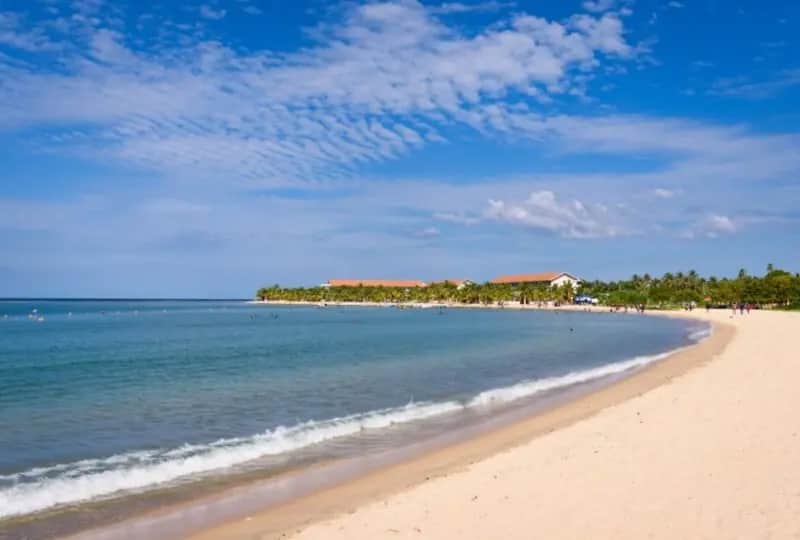
Pasikuda, near Batticaloa on the east coast, has a long bay so shallow and calm in season that you can wade far out. Resorts line the shore, and Kalkudah beach and Batticaloa's lagoon and fort are nearby.
Image Credit: ShutterStock
Nuwara Eliya
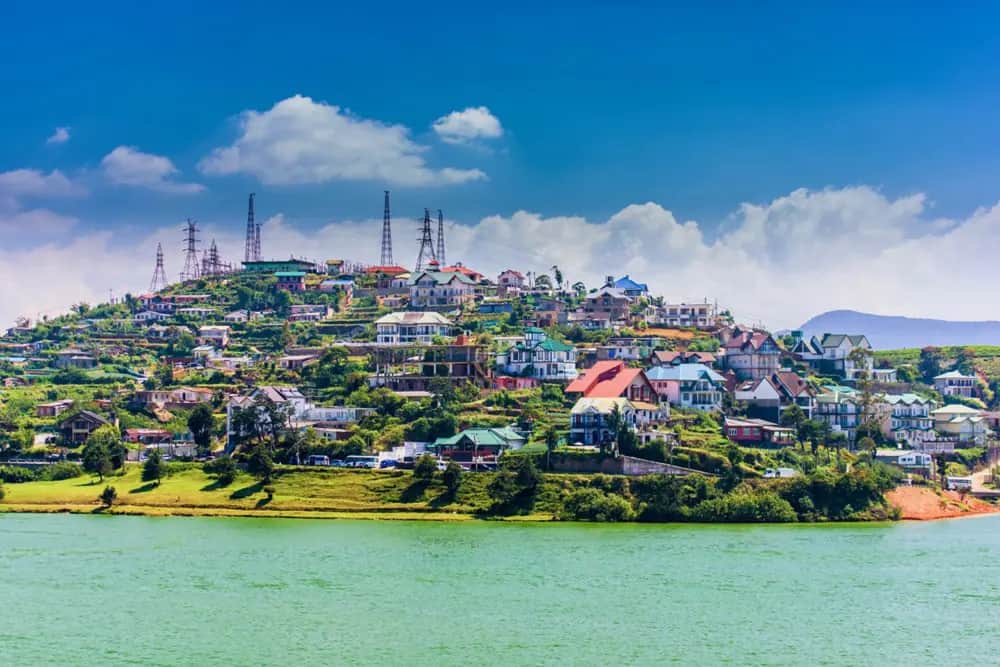
Nuwara Eliya, at about 1,900 metres, is Sri Lanka's best known hill station. Colonial buildings, Lake Gregory, Victoria Park and tea factories fill the town, and Horton Plains and the Hakgala gardens are close by.
Image Credit: ShutterStock
Knuckles Range
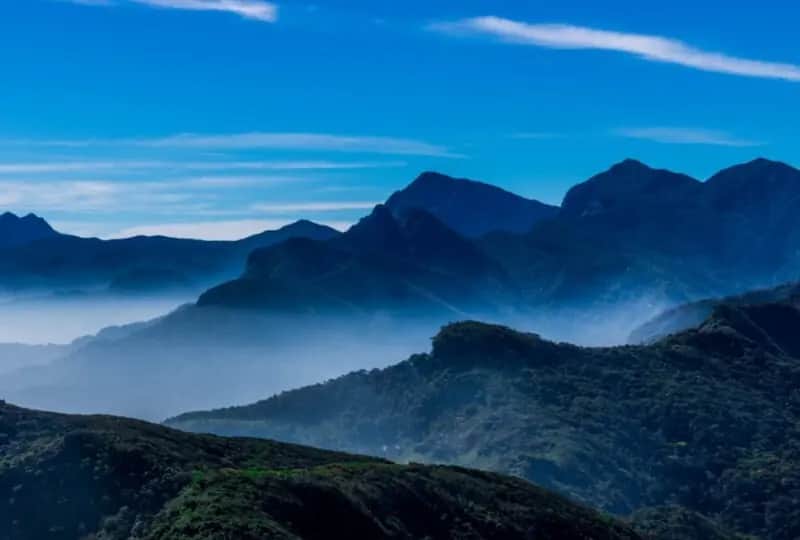
The Knuckles Range, north-east of Kandy, is a UNESCO-listed mountain area of cloud forest, grassland and waterfalls. Trails lead to viewpoints such as Corbet's Gap and to remote villages like Meemure.
Image Credit: ShutterStock

Anuradhapura
Anuradhapura was Sri Lanka's first great capital and a centre of Buddhism for more than a thousand years. Huge stupas, monastery ruins and the sacred Sri Maha Bodhi tree make it an active place of pilgrimage as well as a UNESCO site.
Image Credit: ShutterStock