
Highlights
- Watch water birds on a safari through lagoons, salt pans and dunes
- See greater flamingos, usually present from about September to March
- Spot crocodiles basking along the lagoons, and elephants in the scrub
- Stay at a tented camp close to the park
- Play the 18-hole course at Shangri-La Hambantota nearby
- See salt being harvested in the pans around the lagoons
Overview
Bundala National Park, on the south coast between Hambantota and Kirinda, is a mosaic of shallow brackish lagoons, salt pans, dunes and thorn scrub. It is one of the most important wetlands in Sri Lanka for water birds, especially in the northern winter, when flamingos and many other migrants arrive.
History
Bundala was declared a sanctuary in 1969 and a national park in 1993. In 1990 it became Sri Lanka's first wetland listed under the Ramsar Convention, and in 2005 it was declared a UNESCO biosphere reserve. The sand dunes along its coast helped limit damage from the 2004 tsunami.
Lagoons
The park has five shallow lagoons, Bundala, Embilikala, Malala, Koholankala and Mahalewaya, some of which are used for salt production. The mix of fresh and salt water draws large flocks of birds.
Birds
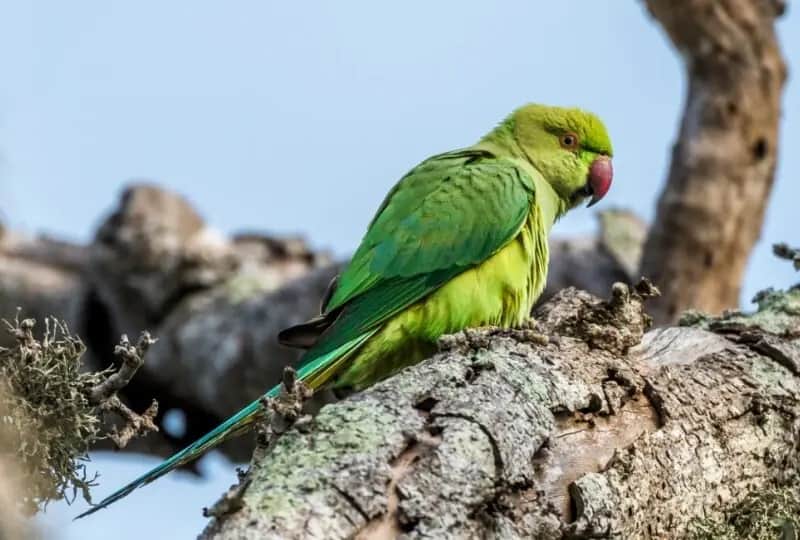
Around 200 bird species have been recorded, many of them migrants. Greater flamingos are the star, usually from about September to March, along with painted storks, spoonbills, pelicans, herons, terns and many waders. See bird watching in Bundala.
Other wildlife
Mugger and saltwater crocodiles bask along the lagoons, and elephants, jackals, mongoose, monitor lizards and deer are seen. Several species of sea turtle nest on the beaches.
Nearby
Weerawila and Tissa wetlands, the Ridiyagama Safari Park, the Telulla archaeological site and the golf course at Shangri-La Hambantota are all within reach. Yala is about 30 minutes east.
Getting there and when to go
Bundala is about 250 km from Colombo, around four hours on the Southern Expressway, and about 20 minutes from Tissamaharama. The area is hot and dry for most of the year; the best time for birds is from about September to March.
Safari tips
Jeep safaris are usually booked through lodges or local drivers, and park entrance fees, charged per person plus vehicle and tracker charges, are paid at the ticket office on top of the jeep hire. Morning and late afternoon drives give the best light and the most animal activity, while midday is hot and quiet. Bring binoculars, a hat, sunscreen and water, wear muted colours, and stay inside the vehicle. Ask your driver to keep a respectful distance from elephants and not to chase or crowd animals. Plastic is discouraged inside national parks, and feeding wildlife is prohibited.
Hotels in Bundala
For accommodation, see hotels in Bundala, with options for different budgets.
Where to stay
Most visitors stay in Tissamaharama, Kirinda or Hambantota; tented camps are also available. See camping at Bundala and things to do in Bundala.
Related posts
Knuckles Range
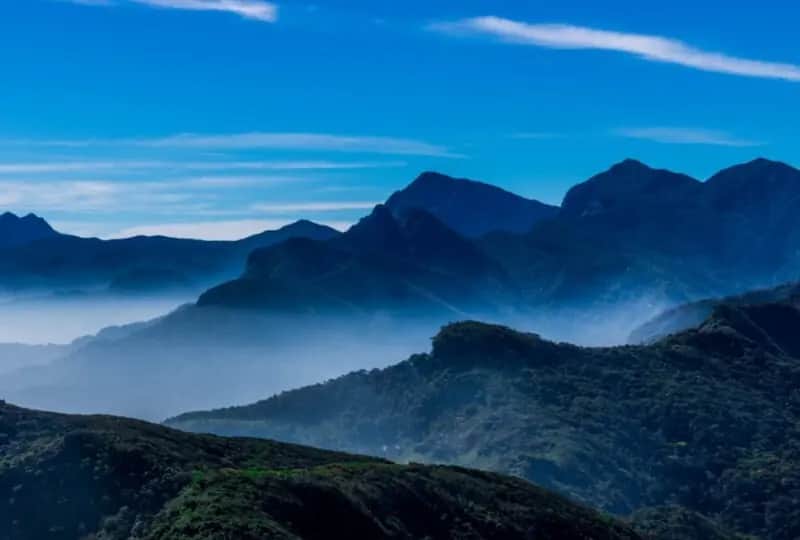
The Knuckles Range, north-east of Kandy, is a UNESCO-listed mountain area of cloud forest, grassland and waterfalls. Trails lead to viewpoints such as Corbet's Gap and to remote villages like Meemure.
Image Credit: ShutterStock
Yala
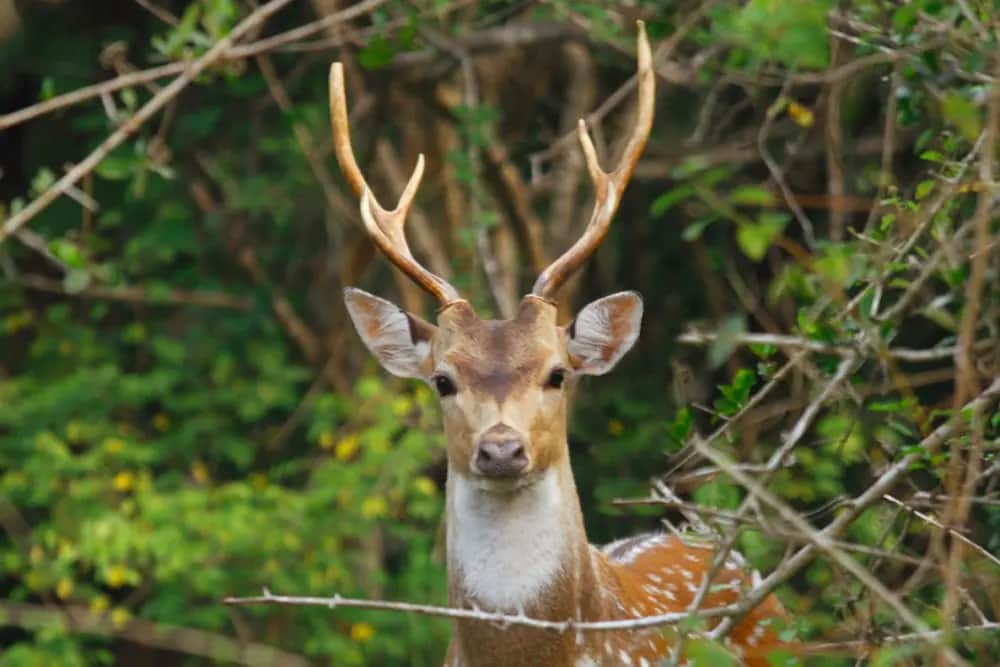
Yala National Park in the south-east is Sri Lanka's most visited park and one of the best places in Asia to see leopards. Elephants, sloth bears, crocodiles and many birds live among its scrub, lagoons and rocky outcrops by the sea.
Image Credit: ShutterStock

Negombo
Negombo is a beach and fishing town close to the airport, the usual place for a first or last night in Sri Lanka. Its lagoon, early morning fish market, Dutch fort and many churches make it worth more than a transit stop.
Image Credit: ShutterStock

Kandy
Kandy, the last royal capital, is home to the Temple of the Tooth Relic around a lake in the central hills. The Royal Botanical Gardens, old temples, dance shows and the Esala Perahera in July or August make it a highlight of any trip.
Image Credit: ShutterStock
Tangalle
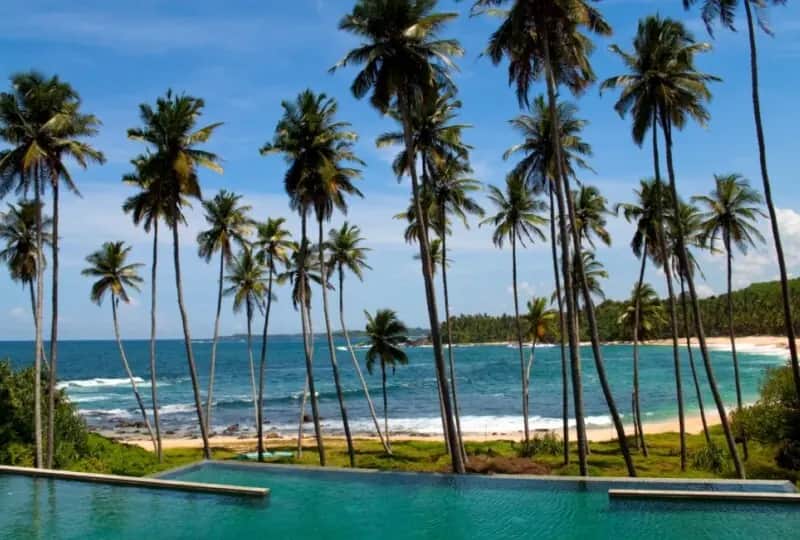
Tangalle, on the south coast, has wide, quiet beaches and lagoons that feel far from the busier resorts further west. Turtles nest at Rekawa, and the Mulkirigala rock temple rises inland.
Image Credit: ShutterStock
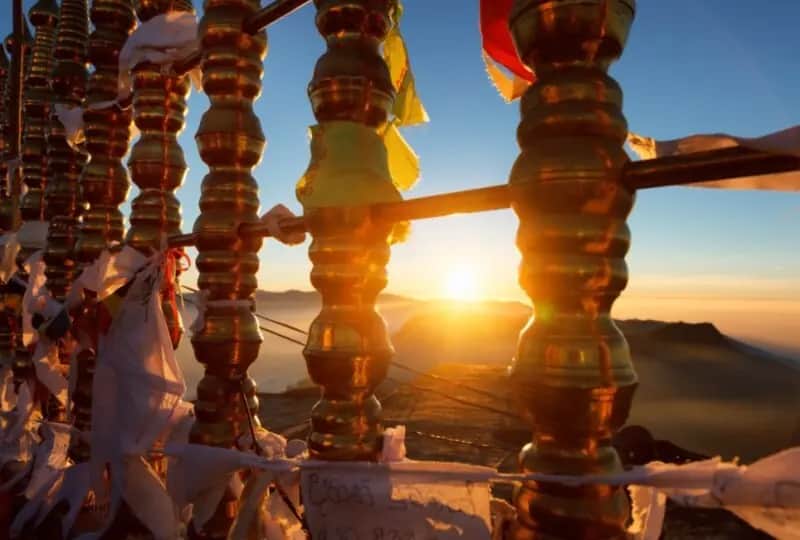
Hatton
Hatton is a tea town in the central hills and the main gateway to Adam's Peak. Estates around Dickoya and Maskeliya surround it, and St Clair's and Devon falls lie on the road towards Talawakele.
Image Credit: ShutterStock