

Highlights
- See both local and migrant birds in large numbers
- Around 200 bird species, many of them migrants
- Only a small number of elephants live here
- Also home to wild boar, mongooses and other mammals
- Look for mugger and saltwater crocodiles
Overview
Bundala National Park, on the south coast between Hambantota and Kirinda, protects a group of shallow lagoons, salt pans, scrub and dunes. In 1990, it became Sri Lanka's first Ramsar site, a wetland of international importance. It is one of the best places in the country to watch water birds.
What you see
Bundala is best known for winter migrants from the north. Large numbers of waders, ducks and terns arrive. Greater flamingos sometimes gather in flocks on the lagoons, though numbers vary from year to year. Resident birds include painted storks, spoonbills, pelicans, herons, egrets and many kingfishers and bee-eaters. Crocodiles, elephants and jackals may also be seen, and sea turtles nest on the beaches.
How safaris work
Jeeps can be hired near the entrance or arranged through hotels in Tissamaharama and Hambantota. Most safaris last about three hours. A birding guide makes a big difference. Entry fees are paid at the gate; check current rates.
When to go
From about September to March, when migrants are present. Early morning and late afternoon are best for birds and light.
How long it takes
Half a day.
Getting there
The main entrance is off the coast road east of Hambantota, around 30 minutes from Tissamaharama. Bundala is close to Yala, so many visitors combine the two.
Practical tips
- Bring binoculars and a field guide.
- Wear a hat; there is little shade.
- Ask your driver to stop and switch off the engine for birds.
Nearby: the Weerawila and Tissa wetlands and camping at Bundala. See things to do in Bundala and Bundala hotels.
Prices are as of October 2026 and may change.
Related posts

Whale & Dolphin Watching in Trincomalee
Deep water close to the shore makes Trincomalee one of Sri Lanka's main places for whale and dolphin watching. Blue whales, sperm whales and dolphins are seen, mainly from about March to August.
Image Credit: ShutterStock

Trekking in Horton Plains
Walk the high plateau of Horton Plains, above 2,000 metres in the central hills. The circular trail crosses grassland and cloud forest to World's End and Baker's Falls, best started at dawn.
Image Credit: ShutterStock
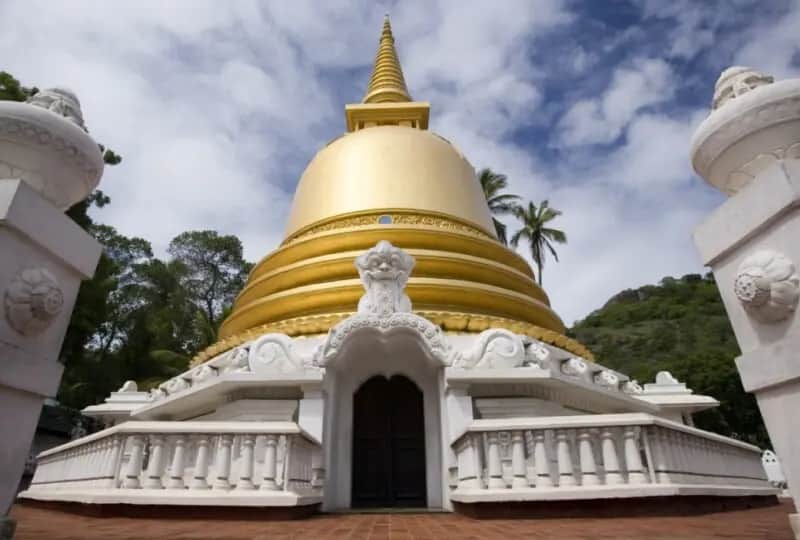
Golden Cave Temple of Dambulla
The Dambulla cave temple is the largest and best preserved cave temple complex in Sri Lanka and a UNESCO World Heritage Site. Five caves hold more than 150 Buddha statues and painted ceilings.
Image Credit: ShutterStock

Hiking and Trekking in Knuckles Range
The Knuckles range, north-east of Kandy, is one of the best areas in Sri Lanka for hiking, part of a UNESCO World Heritage Site. Trails run from short walks to multi-day treks through cloud forest and villages.
Image Credit: ShutterStock

Kandyan Dancing and Cultural Shows
Kandyan dance is the best known classical dance of Sri Lanka. Evening shows in Kandy present dance, drumming and fire walking in about an hour.
Image Credit: ShutterStock

Trip to Singharaja Forest for the Day
Spend a day in Sinharaja, Sri Lanka's largest lowland rainforest and a UNESCO World Heritage Site. A guide leads you under tall trees and across clear streams, looking for endemic birds and other wildlife.
Image Credit: ShutterStock

Lankatilaka Temple
Lankatilaka Raja Maha Viharaya stands on a rock outcrop west of Kandy, built in 1344 under King Bhuvanekabahu IV. Its tall image house and valley views make it one of the finest temples near the city.
Image Credit: ShutterStock

Medaketiya and Medilla beach
Medaketiya and Medilla are the long, wide beaches east of Tangalle town. They are good for walks, with guesthouses behind the sand.
Image Credit: ShutterStock

Beruwela Beach
Beruwala, about 1.5 hours from Colombo, has a long sandy beach lined with resort hotels. The sea is calm from about November to April.
Image Credit: ShutterStock

Lahugala National Park Safari
Lahugala Kitulana is a small park inland from Arugam Bay, important for elephants that gather around its tanks. A short safari here is easy to add to a stay on the coast.
Image Credit: ShutterStock
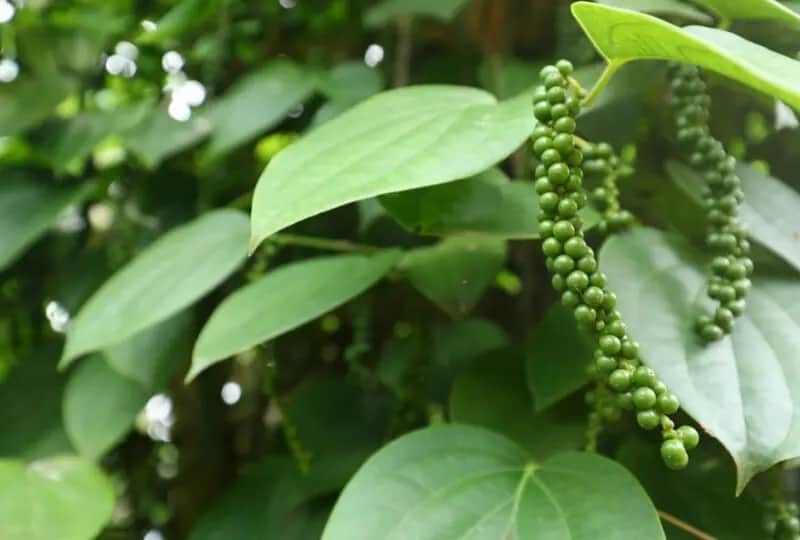
Visit a Spice Garden
Spices drew traders to Sri Lanka for centuries. A spice garden visit near Kandy shows how cinnamon, cardamom, pepper and nutmeg are grown and used in cooking and Ayurveda.
Image Credit: ShutterStock
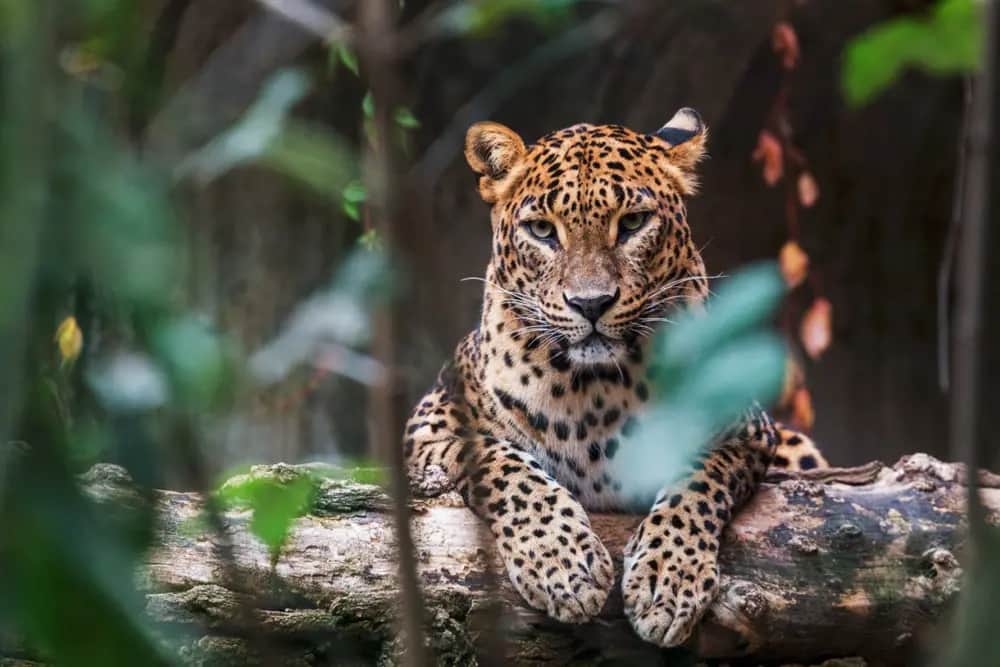
Yala National Park Safari
Yala National Park in the south-east is Sri Lanka's most visited park and one of the best places in Asia to see leopards. Elephants, sloth bears, crocodiles and many birds live among its scrub and lagoons.
Image Credit: ShutterStock
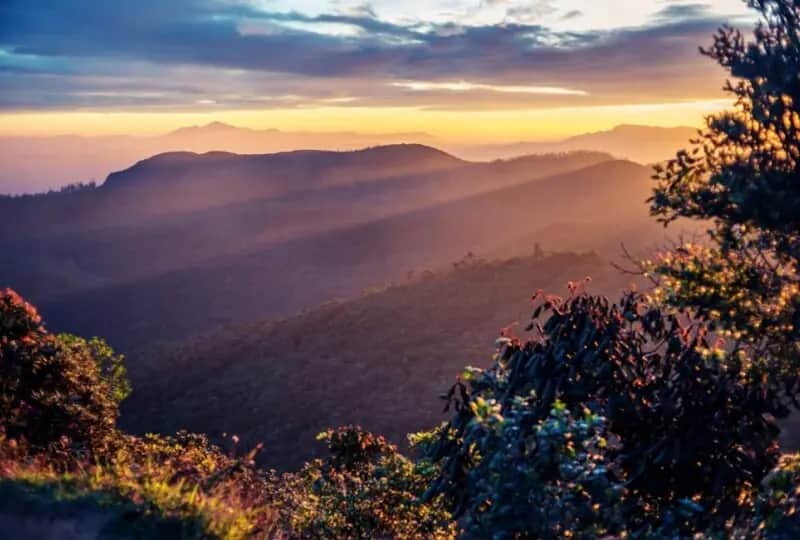
World's End
World's End is the cliff on the southern edge of Horton Plains where the land drops away by hundreds of metres. On a clear early morning the view stretches over tea country to the southern plains.
Image Credit: ShutterStock

Bentota Beach
Bentota, about 1.5 to 2 hours from Colombo, has one of the best known resort beaches in Sri Lanka. The long beach meets the Bentota river, and the sea is calm from about November to April.
Image Credit: ShutterStock

White Water Rafting in Kitulgala
Raft the Kelani River at Kitulgala, Sri Lanka's centre for white water rafting. Trips of about two hours run a series of rapids in the rainforest with a licensed guide, and no experience is needed.
Image Credit: ShutterStock

Panama Lagoon Safari
Explore the lagoons and wetlands around Panama village, south of Arugam Bay. They are rich in birds, and elephants sometimes come to the water in the evening.
Image Credit: ShutterStock
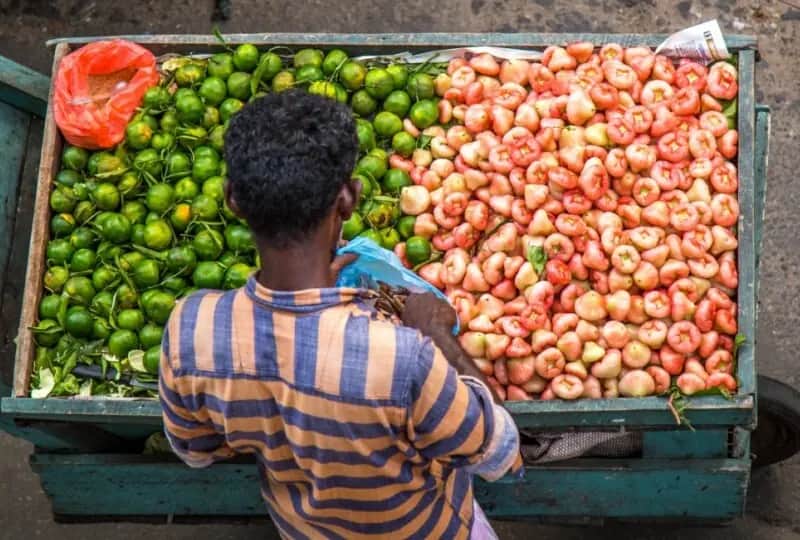
Streets of Pettah
Pettah, just east of Colombo Fort, is the city's oldest and busiest market district. Each street specialises in something, from spices and fabrics to electronics.
Image Credit: ShutterStock
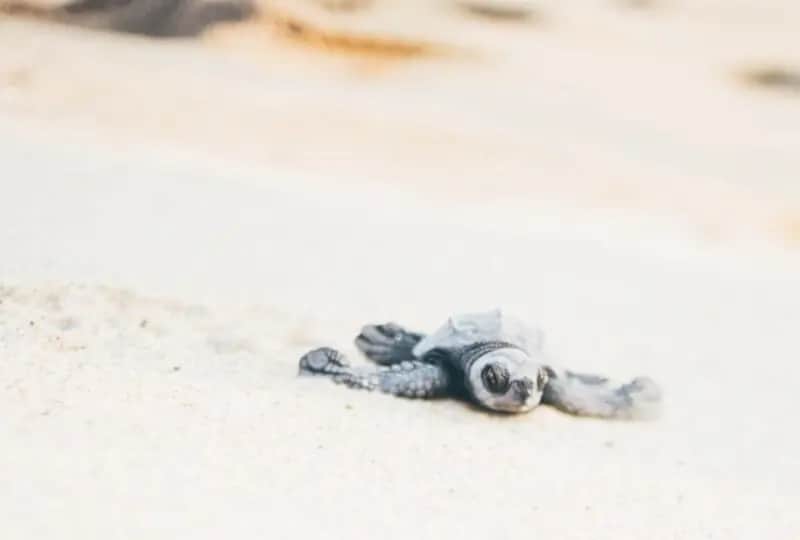
Turtle Watch Rekawa
Rekawa beach, about 10 km east of Tangalle, is one of the most important turtle nesting beaches in Sri Lanka. A community project leads night visits to see turtles come ashore to lay eggs.
Image Credit: ShutterStock

Kandy Temple of the Tooth Relic
The Temple of the Sacred Tooth Relic in Kandy houses a tooth relic of the Buddha and is the most important Buddhist shrine in Sri Lanka. Visit during a puja, with shoulders and knees covered.
Image Credit: ShutterStock
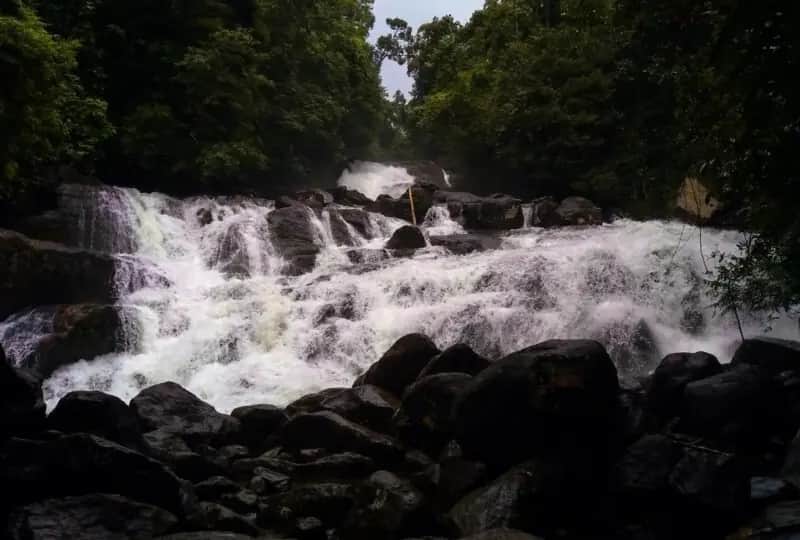
Kanneliya Rainforest
Kanneliya is a lowland rainforest about 35 km inland from Galle, part of a UNESCO biosphere reserve. Trails lead to streams and waterfalls with endemic birds and plants.
Image Credit: ShutterStock