
Highlights
- Relax on wide, quiet beaches far from the busier resorts
- Swim in the sheltered bays of Goyambokka and Pallikaduwa
- Walk the long sweep of sand at Medaketiya and Medilla
- Climb to the cave shrines of the Mulkirigala rock temple
- Watch turtles nesting at night with Turtle Watch Rekawa
- See water birds in the lagoons of Kalametiya
- Kayak through the mangroves of Rekawa Lagoon
- See the small fort built by the Dutch in the town
Overview
Tangalle is a fishing town on the south coast, about 195 km from Colombo, with a string of quiet bays and long beaches on either side. It is calmer and less built up than the beach towns further west, and it is a good base for turtle watching, an ancient rock temple, lagoons and bird sanctuaries.
Beaches
Goyambokka and Pallikaduwa
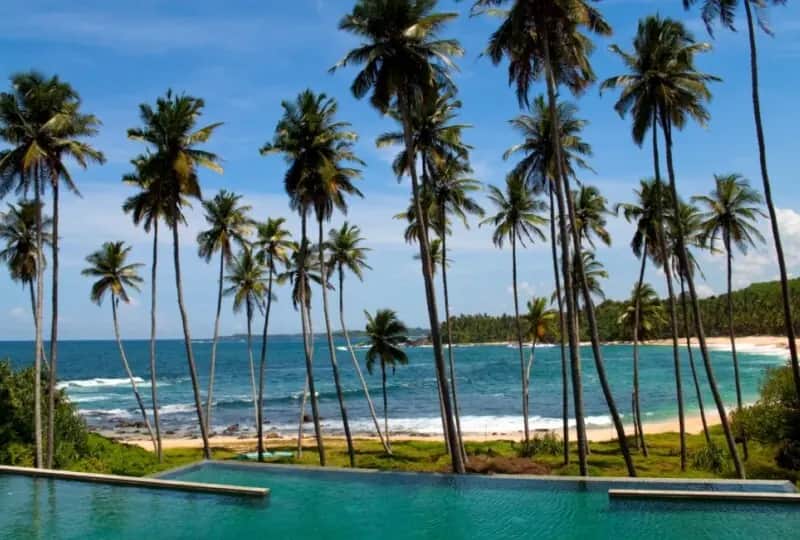
West of town, Goyambokka and Pallikaduwa are small twin bays with palms, golden sand and calm water in season. Silent Beach, nearby, is another sheltered cove.
Medaketiya and Medilla
East of the harbour, Medaketiya and Medilla form a long beach lined with guesthouses and seafood restaurants. Some stretches are good for swimming in calm weather; ask locally, as currents can be strong.
Marakolliya and Rekawa
Further east, Marakolliya is a long, empty beach backed by a lagoon, and Rekawa beyond it is known for nesting turtles. Swimming is often unsafe on these open beaches.
Hiriketiya
About 30 minutes west near Dickwella, the horseshoe bay of Hiriketiya has gentle waves for beginner surfers and a growing cafe scene.
Turtle watching
At Rekawa, a community project runs turtle watching at night. Green, olive ridley, leatherback, hawksbill and loggerhead turtles have all been recorded nesting on Sri Lanka's beaches, and green turtles are most common here. Visits are guided, with red light and no flash, so as not to disturb the turtles. Nesting happens all year, with more activity in some months.
Mulkirigala
The Mulkirigala Raja Maha Viharaya, about 20 km inland, is a series of cave temples on a rock rising about 200 metres above the plain, traditionally dated to more than 2,000 years ago. Steps lead up past caves filled with reclining Buddhas and murals to a dagoba on the summit with views to the sea. In the 19th century, palm-leaf manuscripts found here helped George Turnour translate the Mahavamsa, the great chronicle of Sri Lanka.
Lagoons and birds
Kalametiya bird sanctuary, east of Tangalle, is a lagoon and mangrove area with herons, egrets, storks, kingfishers and many waders. Boat trips run early in the morning. Closer to town, kayaking on the Tangalle lagoon passes mangroves and birdlife. Rekawa lagoon also offers boat trips.
In town
The small Dutch-era fort near the harbour now serves as a prison and can only be seen from outside. The harbour itself is busy in the mornings, when boats unload their catch.
Getting there and around
Tangalle is about three hours from Colombo on the Southern Expressway, about an hour east of Mirissa and about an hour and a half from Yala. Buses run along the coast road. There is no railway station in town; the nearest is Beliatta. Tuk-tuks are the best way to get between the beaches.
When to go and how long to stay
The season runs from about November to April, when the sea is calmer. The south-west monsoon brings rough seas from about May to September, though Tangalle tends to be drier than the west coast. Three or four nights give time for the beaches, turtles and Mulkirigala.
Food and where to stay
Seafood is the speciality, from grilled fish and prawns to crab curry, at beachfront restaurants and family guesthouses. Accommodation runs from simple cabanas on Medaketiya to boutique hotels and villas around Goyambokka and luxury resorts on the headlands.
Food
Tangalle's beach restaurants display the evening catch on ice, and you choose your fish to be grilled or cooked as a curry. Buffalo curd with kitul treacle is a speciality of this part of the south, sold in clay pots at roadside stalls. In town, simple rice and curry places serve lunch to locals at low prices.
Blowhole and beaches nearby
Hummanaya, near Kudawella west of Tangalle, is one of the largest blowholes in the world. When the swell is right, especially during the south-west monsoon, water shoots high into the air from a gap in the rocks. To the east, Ussangoda is a strange red-earth plateau above the sea, linked in legend to the Ramayana, and Kalametiya and Rekawa lagoons lie between them.
Suggested plan
Spend the first day on Goyambokka or Silent Beach, then join an evening turtle watch at Rekawa. Next morning, visit Kalametiya early for birds, and climb Mulkirigala in the late afternoon for the view at sunset. A third day could include Hiriketiya for a surf lesson, or a trip to Hummanaya blowhole near Kudawella.
Related posts
Singharaja
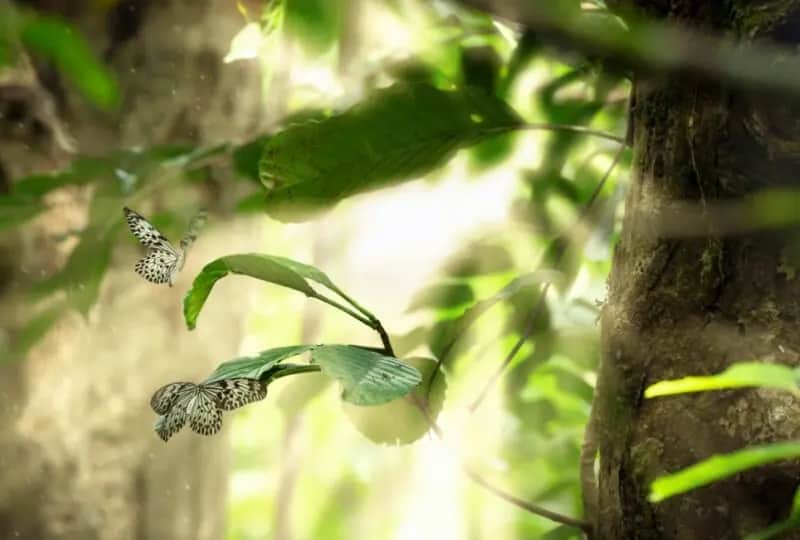
Sinharaja is Sri Lanka's largest remaining lowland rainforest and a UNESCO World Heritage Site. Guided trails lead past streams and waterfalls, and most of the island's endemic birds can be found here, often in noisy mixed feeding flocks.
Image Credit: ShutterStock

Trincomalee
Trincomalee, on the north-east coast, has one of the world's great natural harbours. The Koneswaram temple stands on a cliff above the sea, and Nilaveli, Uppuveli and Pigeon Island offer beaches and snorkelling from about April to September.
Image Credit: ShutterStock

Polonnaruwa
Polonnaruwa, the medieval capital of Sri Lanka, is a UNESCO World Heritage Site of palaces, temples and the Gal Vihara rock carvings. The great Parakrama Samudraya reservoir still waters the fields around it, and the ruins are easy to explore by bicycle.
Image Credit: ShutterStock
Wilpattu
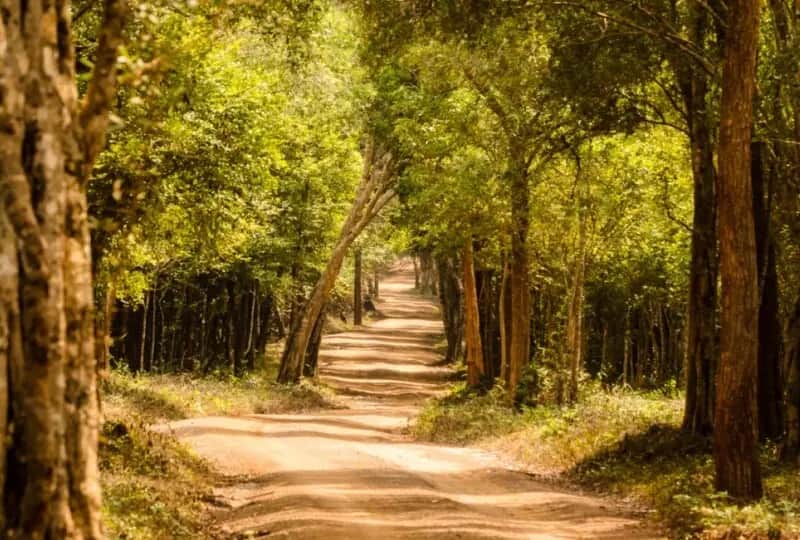
Wilpattu, on the north-west coast, is Sri Lanka's largest national park. Natural lakes called villus dot its quiet forest, and leopards and sloth bears are the main reasons to spend a day on its sandy tracks.
Image Credit: ShutterStock
Udawalawe
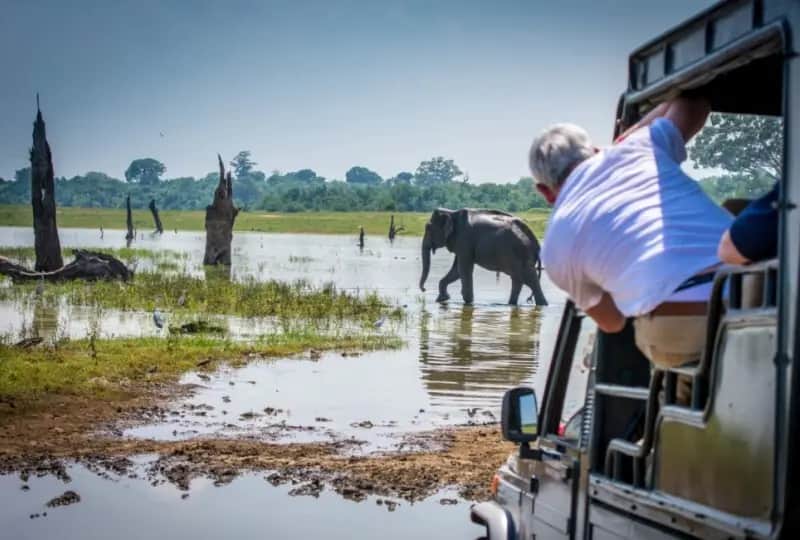
Udawalawe National Park, around a large reservoir on the edge of the hills, is the most reliable place in Sri Lanka to see wild elephants on safari. The Elephant Transit Home nearby raises orphaned calves for release back into the wild.
Image Credit: ShutterStock
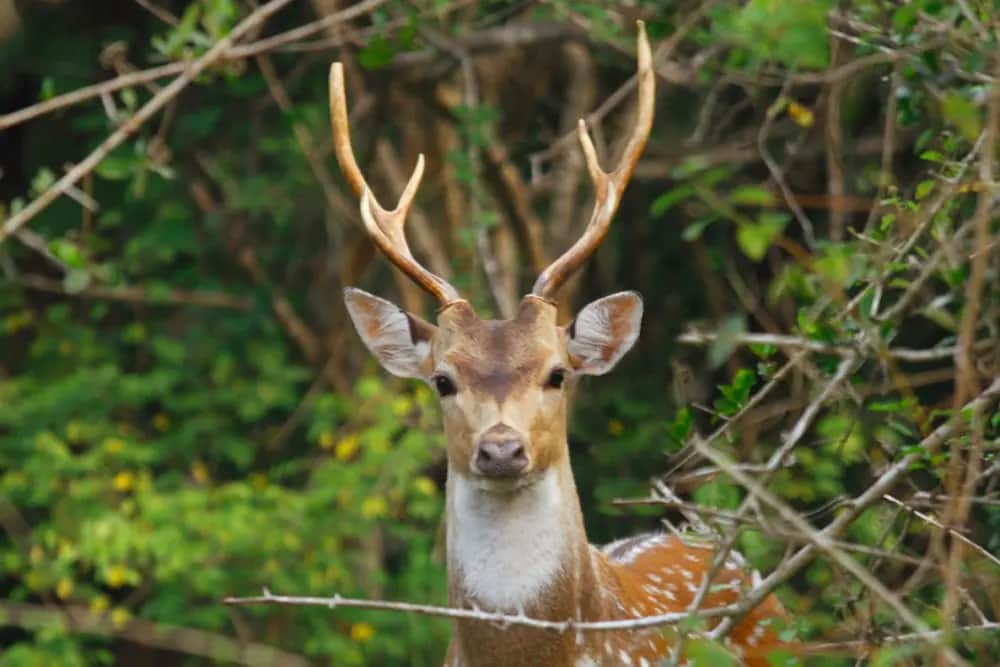
Yala
Yala National Park in the south-east is Sri Lanka's most visited park and one of the best places in Asia to see leopards. Elephants, sloth bears, crocodiles and many birds live among its scrub, lagoons and rocky outcrops by the sea.
Image Credit: ShutterStock