
Highlights
- Learn to surf on the gentle waves of Weligama Bay
- Walk the wide, sandy bay at sunset
- Snorkel or dive on reefs with turtles and reef fish
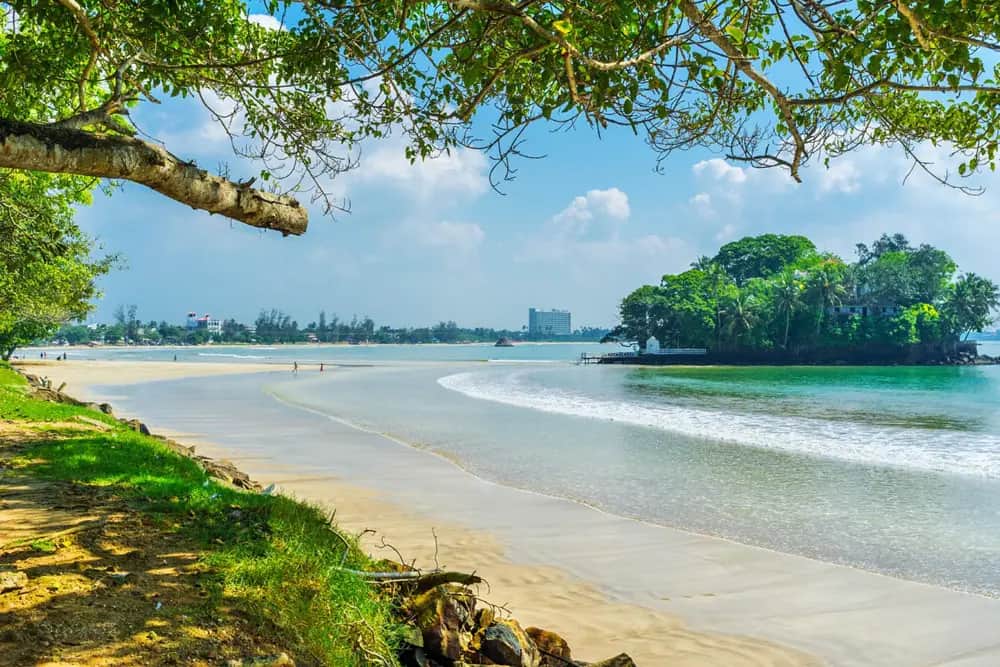
- See Taprobane Island, the tiny island villa in the bay
- Watch the stilt fishermen between Weligama and Koggala
- Visit a batik workshop and see how the fabric is dyed
Overview
Weligama, between Galle and Mirissa, is a fishing town on a wide, sandy bay. Its name means sandy village, and its long beach and gentle waves make it the best place in Sri Lanka to learn to surf. The town itself is busy and local, with coconut and rubber plantations behind it, and nearby are Taprobane Island, stilt fishermen and an ancient rock carving.
Surfing
The beach break in the middle of the bay has soft, rolling waves ideal for beginners, and dozens of surf schools and board rental stalls line the beach. Lessons usually last about two hours, and many surf camps include accommodation and yoga. Experienced surfers head to reef breaks nearby. The best waves are from about November to April. See surfing in Weligama.
Taprobane Island
Just off the western end of the beach sits Taprobane Island, a tiny rock topped with a white villa. It was built in the 1920s by the French Count de Mauny, and the writer Paul Bowles later owned it. The villa is now a private rental, but you can wade close at low tide and photograph it from the beach.
Stilt fishermen
Along the coast between Weligama and Koggala, especially near Kathaluwa and Ahangama, fishermen perch on poles planted in the shallows, casting lines at dawn and dusk. Many now pose for photographs for a fee, so expect to pay if you take pictures.
Kushtarajagala
At the western end of town, the Kushtarajagala is a large figure carved into a rock, said to date from around the 8th or 9th century. Local legend says it shows a king cured of a skin disease, but scholars generally identify it as the Bodhisattva Avalokiteshvara.
Diving and snorkelling
The bay's shallow reefs and rocks have tropical fish and turtles. Dive centres run trips to sites such as Prince Heinrich Patch, Bridge Rock and Yala Rock, with moray eels, rays and nudibranchs. See diving and snorkelling in Weligama.
Crafts
Batik workshops in the area show how designs are waxed and dyed by hand; see batik art of the south. Weligama is also known for handmade lace.
Getting there and around
Weligama is about two hours from Colombo on the Southern Expressway, with its own exit, and about 30 minutes from Galle. Trains on the coastal line stop at Weligama station. Mirissa is ten minutes east by tuk-tuk.
When to go and how long to stay
The season runs from about November to April, when the sea is calm and the weather mostly dry. From about May to September the south-west monsoon brings rain and bigger, messier waves, though some surf schools stay open. Surfers often stay a week; others spend two or three nights.
Food, stays and day trips
Beach cafes serve smoothie bowls, seafood and rice and curry, and the town market has cheap local food. Accommodation ranges from surf hostels and guesthouses to boutique hotels on the headlands. Whale watching from Mirissa, the Dutch star fort and Paravi Duwa temple in Matara, and Galle Fort are all within easy reach.
The town
Behind the beach, Weligama is a working market town with a busy fish market by the bay, shops along the main road and the Agrabodhi temple, whose Bodhi tree is believed by local tradition to be among the oldest in the south. The railway line runs right along the bay, and the view from the train between Weligama and Mirissa is one of the best on the coastal line.
Along the coast
Weligama sits in the middle of a stretch of coast full of small surf towns. To the west, Midigama, Ahangama and Kabalana have reef and point breaks for intermediate surfers, cafes and boutique stays, and Koggala has a lake with islands, a museum dedicated to the writer Martin Wickramasinghe and a turtle hatchery. To the east, Mirissa is known for whale watching and Matara for its old Dutch forts.
Suggested plan
Book a surf lesson for the morning, when the wind is lightest, and spend the afternoon resting or exploring by tuk-tuk: Taprobane at low tide, the Kushtarajagala statue, and the stilt fishermen at sunset. A second day could include whale watching from Mirissa or a snorkelling trip in the bay.
Related posts

Trincomalee
Trincomalee, on the north-east coast, has one of the world's great natural harbours. The Koneswaram temple stands on a cliff above the sea, and Nilaveli, Uppuveli and Pigeon Island offer beaches and snorkelling from about April to September.
Image Credit: ShutterStock

Colombo
Colombo, Sri Lanka's commercial capital, mixes colonial Fort, the markets of Pettah and the seafront at Galle Face Green with temples, museums and the best food scene in the country. Most trips start or end here.
Image Credit: ShutterStock
Bundala
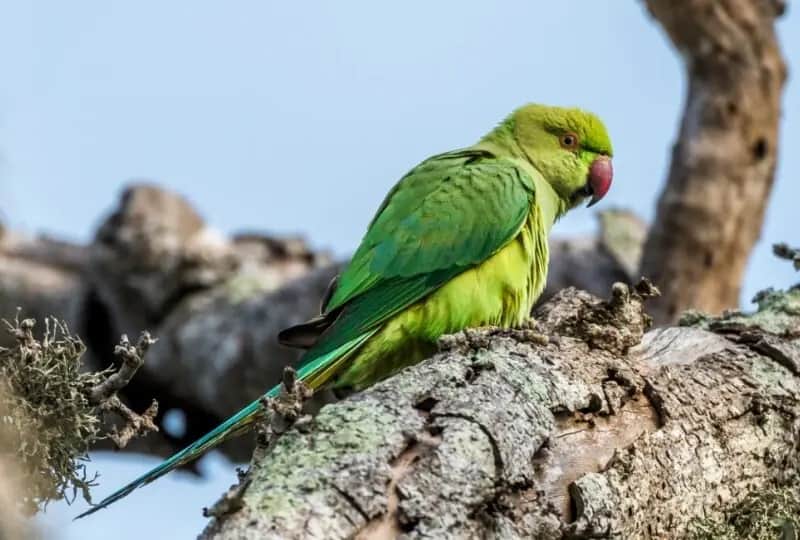
Bundala National Park on the south coast is a maze of shallow lagoons, salt pans and dunes. Sri Lanka's first Ramsar wetland, it draws flamingos and thousands of migrant birds from about September to March.
Image Credit: ShutterStock

Anuradhapura
Anuradhapura was Sri Lanka's first great capital and a centre of Buddhism for more than a thousand years. Huge stupas, monastery ruins and the sacred Sri Maha Bodhi tree make it an active place of pilgrimage as well as a UNESCO site.
Image Credit: ShutterStock
Wilpattu
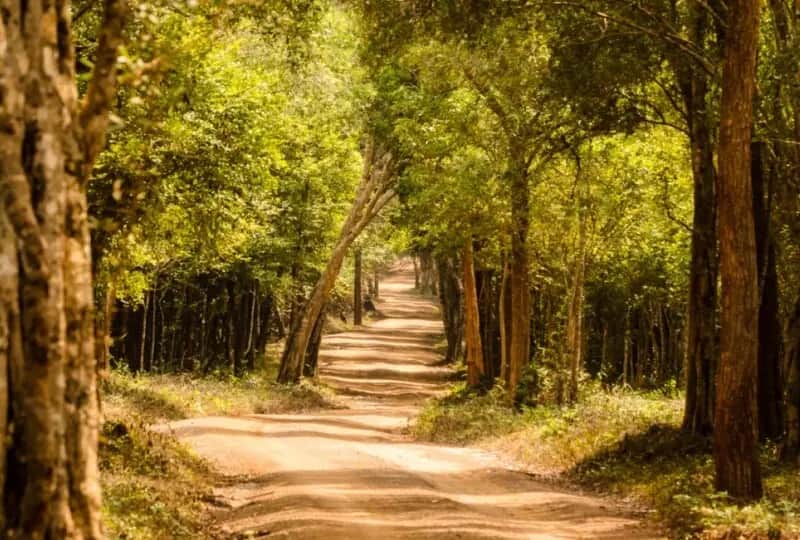
Wilpattu, on the north-west coast, is Sri Lanka's largest national park. Natural lakes called villus dot its quiet forest, and leopards and sloth bears are the main reasons to spend a day on its sandy tracks.
Image Credit: ShutterStock
Ella
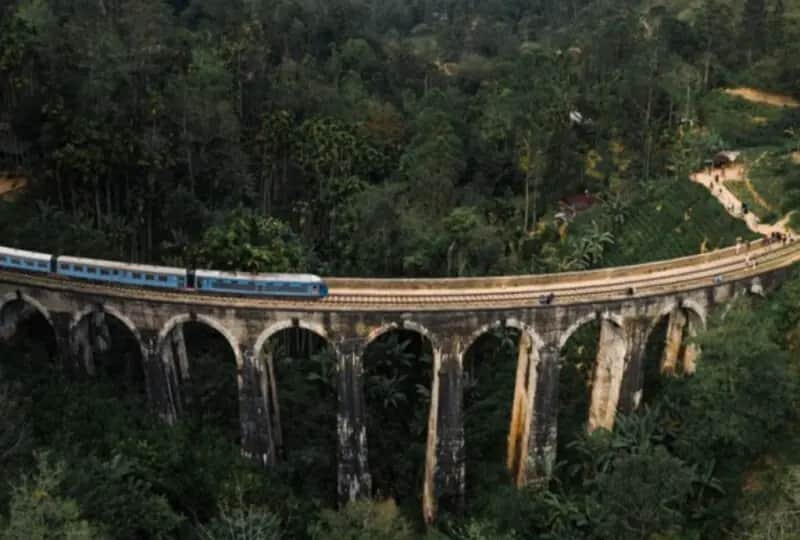
Ella is a small hill town in a gap in the mountains, surrounded by tea estates and waterfalls. Easy hikes to Little Adam's Peak and Ella Rock, and the Nine Arches Bridge on the railway, make it one of the most popular stops in Sri Lanka.
Image Credit: ShutterStock