

Highlights
- Stilt fishing is a traditional practice still seen on the south coast
- Fishermen sit on poles above the surf near Koggala and Ahangama
- Some offer visitors the chance to try sitting on a stilt
Overview
Stilt fishing, known in Sinhala as ritipanna, is a traditional way of fishing on Sri Lanka's south coast. Fishermen sit on a crossbar tied to a single pole fixed in the reef or sandy seabed, just off the shore, and fish with a rod. The sight of them silhouetted against the sea has become one of the classic images of Sri Lanka.
Where
Stilt fishing is mostly seen along the stretch between Galle and Weligama, especially at Koggala, Kathaluwa, Ahangama and Midigama. It has also been seen at other spots further along the coast.
History
The origins of stilt fishing are not clear. Many accounts say it began around or after the Second World War, when space on the shore was scarce and fishermen began fishing from poles in the shallows. The skill has been passed down within families.
How it works
The stilt is a pole of a few metres, driven into the seabed, with a short crossbar as a seat. The fisherman climbs up, balances with one hand, and fishes with a rod made of bamboo or kitul wood with the other. The catch, usually small fish such as herring and mackerel, goes into a bag tied to the pole or his waist. It takes great patience: the fishermen sit for hours, quiet and still, so as not to scare the fish. Fishing is mainly done early in the morning and in the late afternoon, when fish come closer to the shore.
Today
Fewer men now fish this way for a living. Some sit on the stilts mainly for visitors and expect a payment for photographs. This is part of how the tradition survives, but agree on any fee before taking pictures.
When to see it
Early morning, from around sunrise, and late afternoon towards sunset. The sea is calmer on this coast from about November to April, though fishing can happen at other times.
How long it takes
Half an hour is enough for watching and photos.
Getting there
Koggala is about 20 to 30 minutes by road east of Galle on the coast road. Tuk-tuks or drivers can stop at the usual spots.
Practical tips
- Ask before photographing and agree any payment first.
- Be careful by the busy coast road.
Also near Koggala: Koggala Lake, Koggala beach and the Habaraduwa turtle hatchery. See things to do in Koggala and Koggala hotels.
Related posts
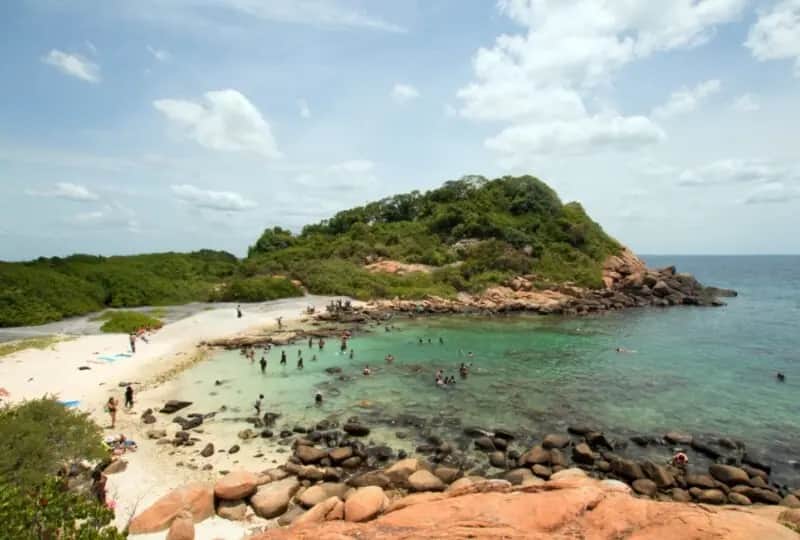
Pigeon Island
Pigeon Island, off Nilaveli, is one of two marine national parks in Sri Lanka. Snorkel over coral among reef fish, turtles and blacktip reef sharks in the calm season.
Image Credit: ShutterStock

Muthurajawela wetlands
Muthurajawela is a large coastal marsh between Negombo and Colombo. Boat trips look for water birds, monitor lizards and crocodiles.
Image Credit: ShutterStock
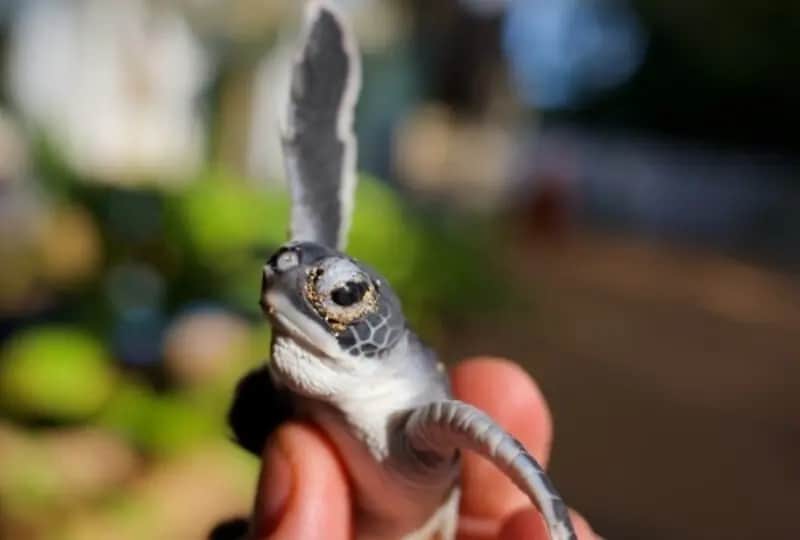
Turtle Hatchery
Kosgoda, about 4 km from Ahungalle, is known for its sea turtle hatcheries. Learn how eggs are collected and protected, and see hatchlings before release.
Image Credit: ShutterStock
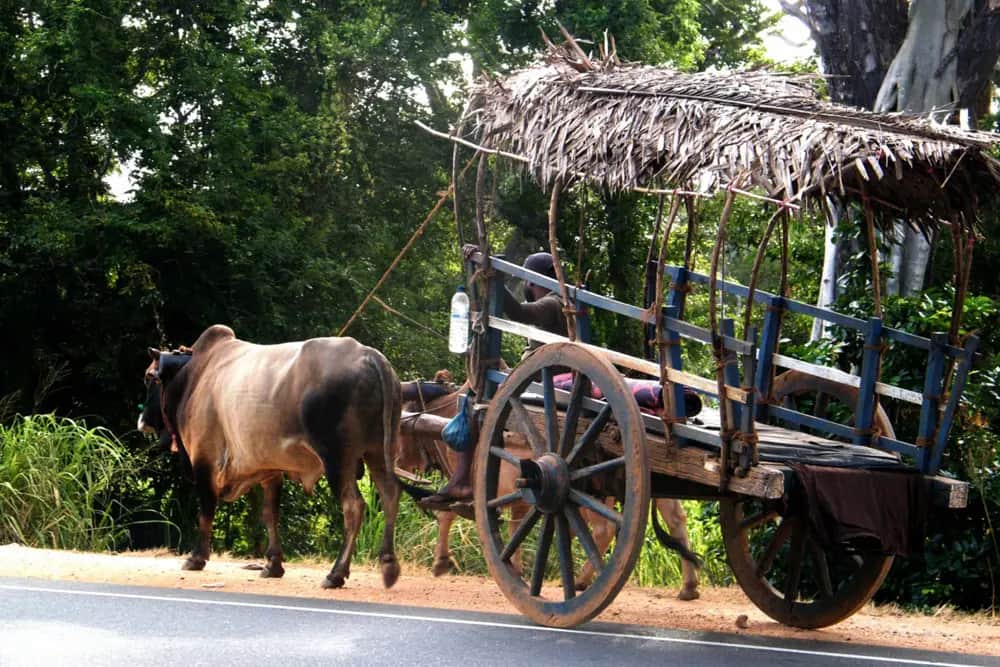
Village tour
A village tour near Habarana is a half-day look at rural life in the dry zone. Ride a bullock cart, cross a lake by canoe and share a home-cooked meal.
Image Credit: ShutterStock

Pitawala Pathana
Pitawala Pathana is a grassland on a gently sloping slab of rock in the Knuckles range, near Riverstone. A short walk leads to a cliff edge known as Mini World's End, with views over the lowlands.
Image Credit: ShutterStock
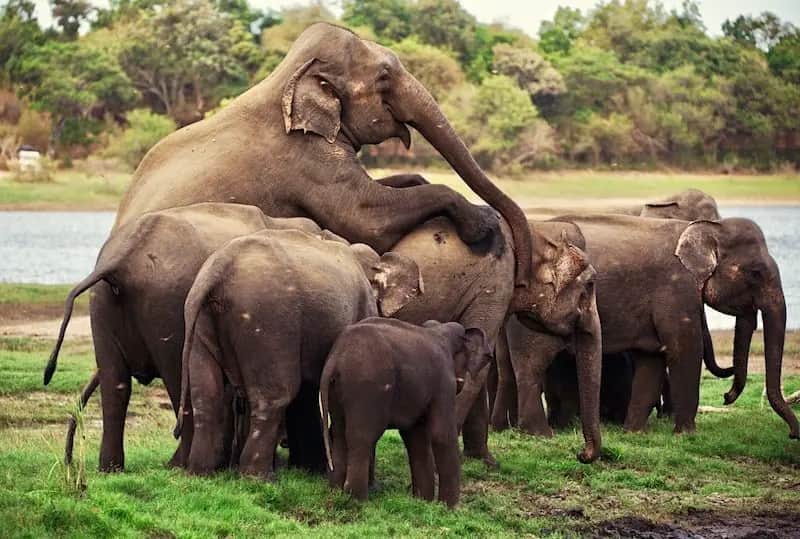
Minneriya National Park Safari
Watch the gathering at Minneriya, when large herds of wild elephants graze around an ancient tank in the dry season, usually from about July to October. Afternoon jeep safaris leave from Habarana and Sigiriya.
Image Credit: ShutterStock

Kandy Temple of the Tooth Relic
The Temple of the Sacred Tooth Relic in Kandy houses a tooth relic of the Buddha and is the most important Buddhist shrine in Sri Lanka. Visit during a puja, with shoulders and knees covered.
Image Credit: ShutterStock
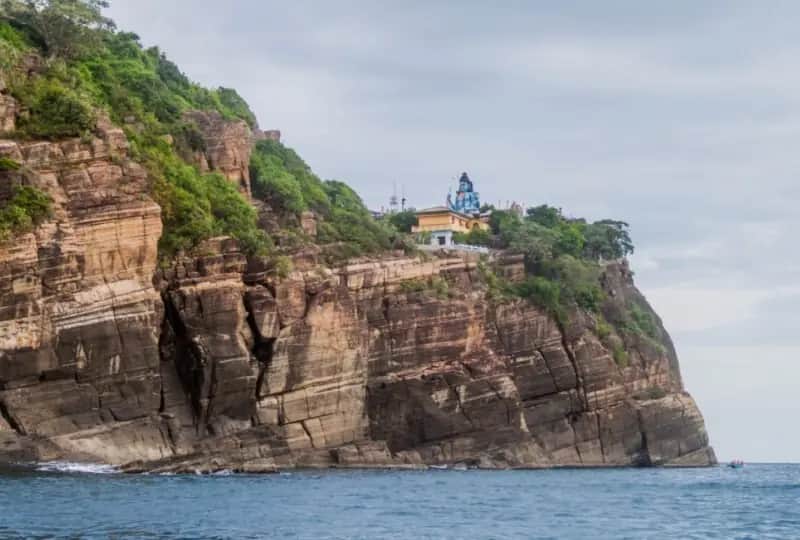
Koneswaram Temple
Koneswaram is one of the most sacred Hindu temples in Sri Lanka, dedicated to Shiva and set on Swami Rock high above the sea. Visit during an evening puja for the views and atmosphere.
Image Credit: ShutterStock
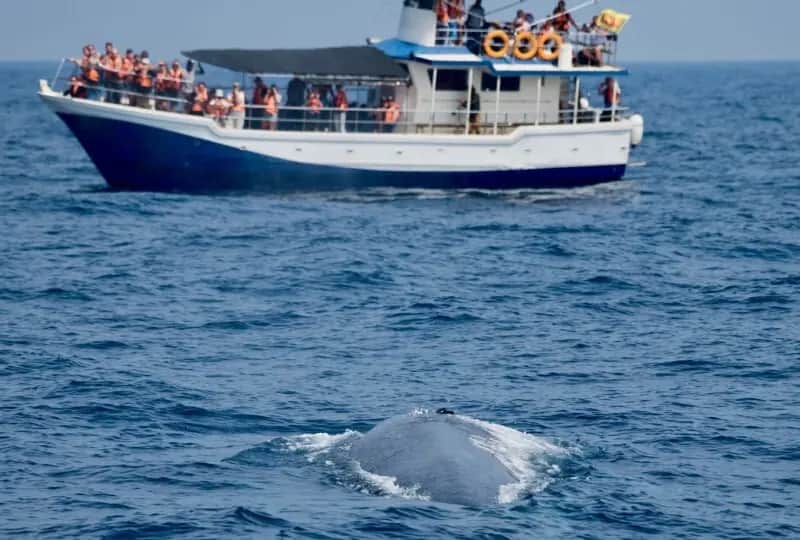
Whale & Dolphin watching in Mirissa
Mirissa is the main base for whale watching in Sri Lanka. From about November to April, boats look for blue whales, sperm whales and dolphins in the deep water offshore.
Image Credit: ShutterStock

Goyambokka and Pallikaduwa beach
Goyambokka and Pallikaduwa are two small bays just west of Tangalle. They are sheltered and among the best places in the area for swimming in season.
Image Credit: ShutterStock

Kite surfing in Kalpitiya
Kalpitiya is Sri Lanka's leading spot for kitesurfing, with strong, steady winds from about May to October. The lagoon suits beginners, and schools offer courses and trips.
Image Credit: ShutterStock

Nine Arches Bridge & Demodara Rail Hike
The Nine Arches Bridge is a stone railway viaduct between Ella and Demodara, set among tea estates. Walk along the track or through the hills and time your visit with a train; services run between Nanu Oya, Ella and Badulla.
Image Credit: ShutterStock
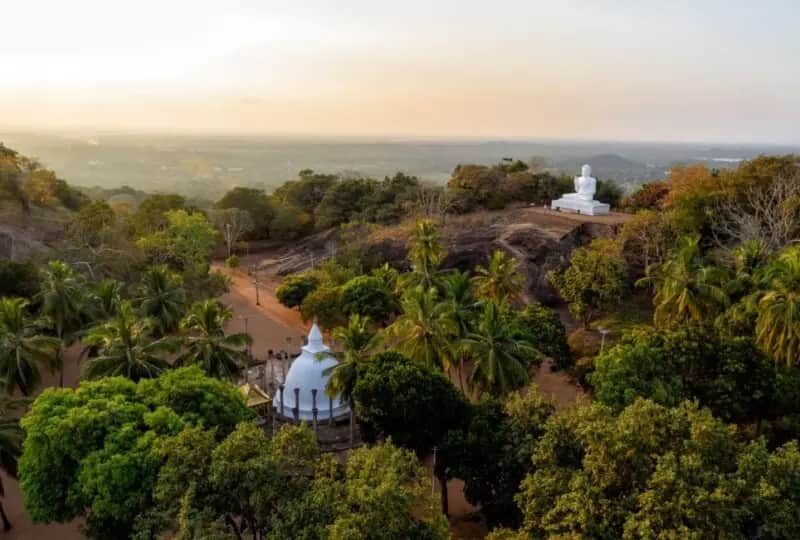
Mihintale
Mihintale, about 12 km east of Anuradhapura, is where Buddhism is said to have come to Sri Lanka. Steps lead up to stupas, caves and a rock summit with wide views.
Image Credit: ShutterStock
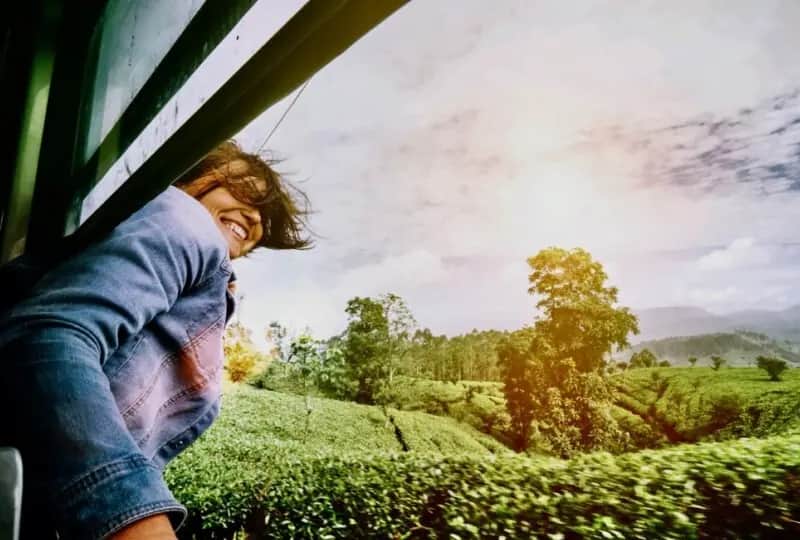
Kandy / Nuwara Eliya - Ella Train Excursions
The hill country railway to Nanu Oya, Ella and Badulla is one of the most scenic train rides in Asia. As of October 2026, trains run between Nanu Oya, Ella and Badulla, but not between Kandy and Nanu Oya.
Image Credit: ShutterStock
Udawalawe National Park Safari
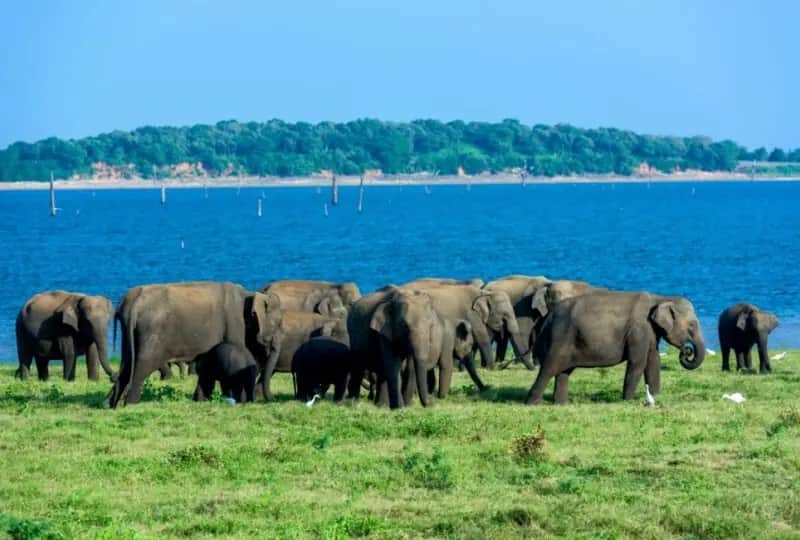
Udawalawe National Park, around a large reservoir on the edge of the hills, is one of the best places in Sri Lanka to see wild elephants. Jeep safaris also find buffalo, crocodiles and many birds of prey.
Image Credit: ShutterStock

Bahirawakanda Vihara Buddha Statue
Bahirawakanda Vihara is the temple on the hill above Kandy, with a large white statue of the Buddha in meditation. The views over the city are best in the late afternoon.
Image Credit: ShutterStock
Golden Cave Temple of Dambulla
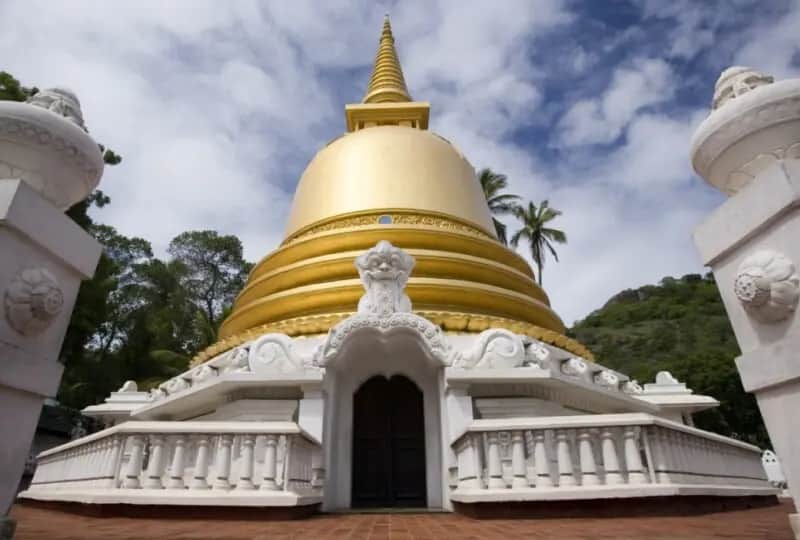
The Dambulla cave temple is the largest and best preserved cave temple complex in Sri Lanka and a UNESCO World Heritage Site. Five caves hold more than 150 Buddha statues and painted ceilings.
Image Credit: ShutterStock

St. Mary´s Church
St Mary's Church on Grand Street is the best known church in Negombo, a town so Catholic it is called Little Rome. Its painted ceiling is the highlight.
Image Credit: ShutterStock

Bird watching in Bundala National Park
Bundala National Park, Sri Lanka's first Ramsar wetland, is a maze of shallow lagoons, salt pans and dunes on the south coast. From about September to March, flamingos and thousands of migrant birds arrive.
Image Credit: ShutterStock

Casuarina Beach
Casuarina Beach, on Karainagar island, is the best known beach in the north. Casuarina trees line the soft sand, and the water is shallow and calm in season.
Image Credit: ShutterStock