
Highlights
- Watch women weave beeralu lace with speed and skill
- The craft has passed down through generations
- Beeralu lace dates back centuries on the south coast
- Buy lace tablecloths, collars and gifts
Overview
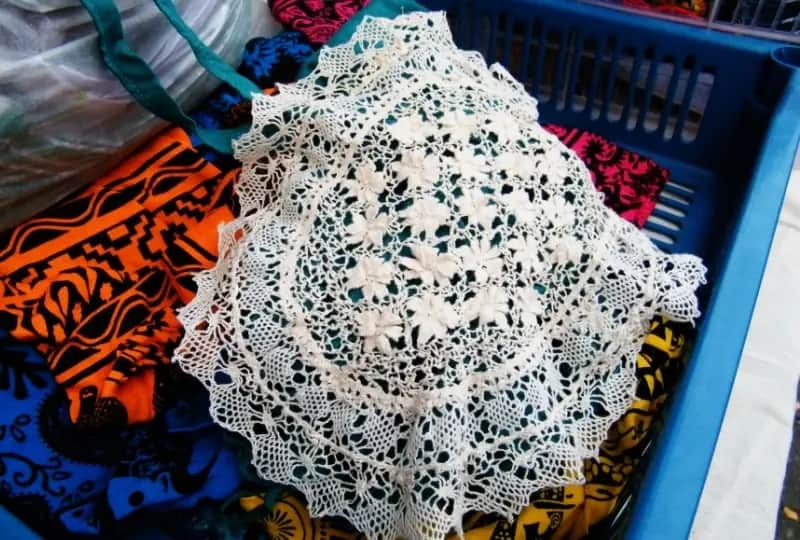
Beeralu is the traditional bobbin lace of Sri Lanka's south coast. The craft is thought to have arrived with the Portuguese in the 16th century and has been passed down through generations of women in coastal villages. At the lace centre in Dickwella, local women make and sell lace, keeping the skill alive and earning an income.
What you see
Lace makers sit at round cushions stuck with pins, moving dozens of wooden bobbins at speed to build up patterns thread by thread. It is fascinating to watch, and the women are usually happy to show how it works. The finished pieces range from small doilies and collars to table runners, tops and trims.
The project
The centre was set up to give women in the area training and steady work. Its staff report that dozens of women have learned not only lace making but also design, marketing and sales. Earnings from the work are modest but important to their families.
Buying lace
Buying directly here is a good way to support the makers. Prices depend on size and detail; fine pieces take many hours. Ask about how long an item took to make.
How long it takes
Thirty minutes to an hour.
When to go
Weekday mornings, when the women are most likely to be working. Opening times vary, so ask your hotel or call ahead.
Getting there
The centre is in the Dickwella area on the south coast, between Matara and Tangalle.
Practical tips
- Ask before taking photos of the lace makers.
- Bring cash; cards may not be accepted.
Nearby, visit the Hummanaya blowhole or Weherahena temple, or see the batik craft of the south. Plan with things to do in Dikwella and Dikwella hotels.