
Highlights
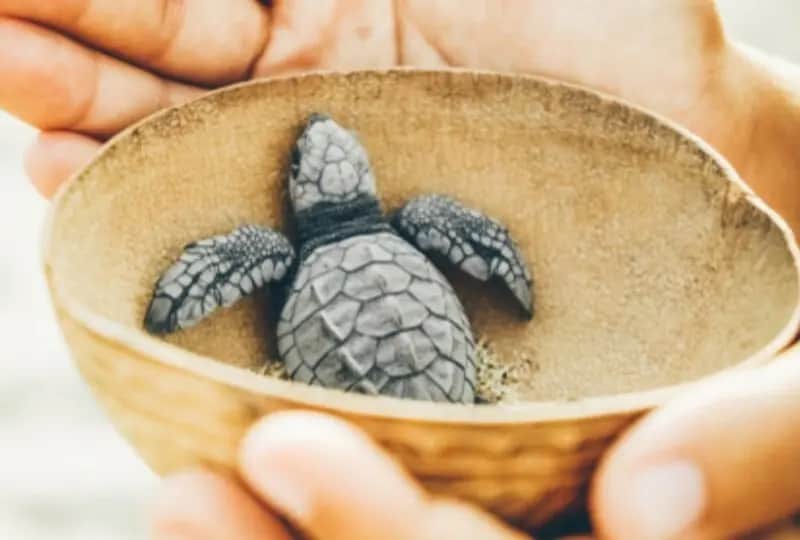
- A small hatchery set up to protect sea turtles
- Five species of sea turtle nest on Sri Lankan beaches
- Hatchlings are kept safe until they are ready for the sea
- Visitors may see babies released within days of hatching
Overview
Habaraduwa, on the coast between Galle and Koggala, is home to a sea turtle hatchery established in 1986. Like other hatcheries in the south, it buys turtle eggs found by local people, which might otherwise be eaten or sold, and buries them in protected sand to hatch. The hatchlings are then released to the sea.
What you see
- Hatching pens: fenced sand areas with markers for each batch of eggs.
- Hatchlings: kept briefly in tanks before release, usually at dusk.
- Adult turtles: some injured or disabled turtles are cared for, including ones hurt by fishing nets.
Staff explain the five species of sea turtle that nest in Sri Lanka: green, olive ridley, loggerhead, hawksbill and leatherback, and the threats they face from poaching, fishing nets, plastic and lost nesting beaches.
A note on ethics
Scientists debate keeping hatchlings in tanks and handling turtles for visitors. Many recommend releasing hatchlings as soon as possible and keeping handling to a minimum. Choose places that follow this approach, keep tanks clean and do not encourage photos with turtles.
How long it takes
About thirty to forty-five minutes.
When to go
Open daily. Ask whether a release is planned for the evening.
Getting there
Habaraduwa is about 15 minutes by road east of Galle, on the coast road towards Koggala and Mirissa.
Practical tips
- An entry fee or donation is expected.
- No flash photography near turtles.
Nearby: Habaraduwa beach, the stilt fishermen and Galle Fort. See things to do in Galle and Galle hotels.
Prices are as of October 2026 and may change.
Related posts

Bird watching in Bundala National Park
Bundala National Park, Sri Lanka's first Ramsar wetland, is a maze of shallow lagoons, salt pans and dunes on the south coast. From about September to March, flamingos and thousands of migrant birds arrive.
Image Credit: ShutterStock
Unawatuna Beach Swing
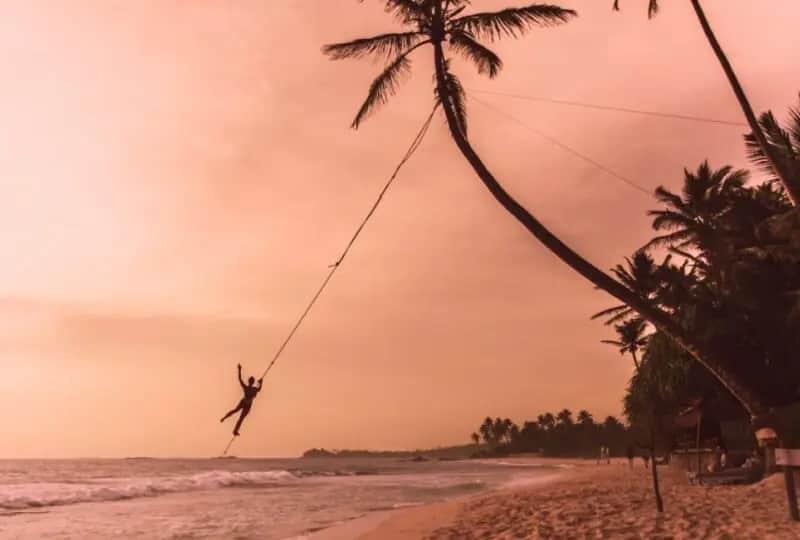
The rope swings tied to leaning palms near Unawatuna became famous online and are now a popular photo stop. Go early or late to avoid the queues.
Image Credit: ShutterStock

Kite surfing in Kalpitiya
Kalpitiya is Sri Lanka's leading spot for kitesurfing, with strong, steady winds from about May to October. The lagoon suits beginners, and schools offer courses and trips.
Image Credit: ShutterStock
Sri Baktha Hanuman Temple
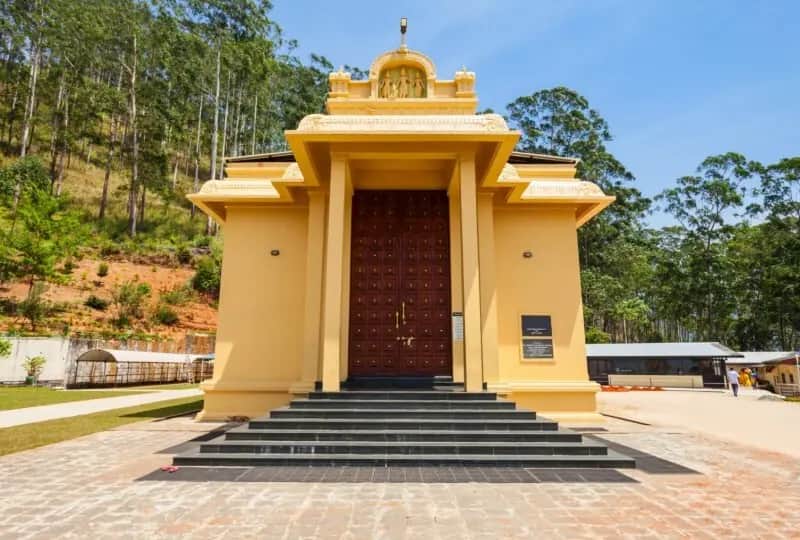
The Sri Baktha Hanuman temple stands on a hillside at Ramboda, between Kandy and Nuwara Eliya, looking over the Kotmale valley. It is dedicated to Hanuman and is a stop on the Ramayana trail.
Image Credit: ShutterStock

Negombo "Lellama'' Fish Market
Lellama is Negombo's main fish market, near the lagoon mouth. Come early in the morning when the boats unload and the auctions are at their busiest.
Image Credit: ShutterStock
Hummanaya (Blowhole)
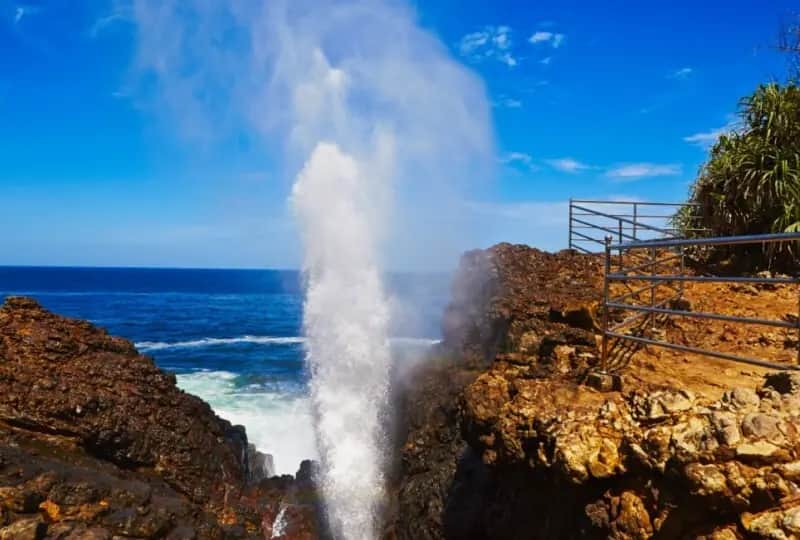
Hummanaya is a natural blowhole at Kudawella near Dikwella. When waves rush into a rock cleft, water shoots high into the air, most strongly in rough seas.
Image Credit: ShutterStock
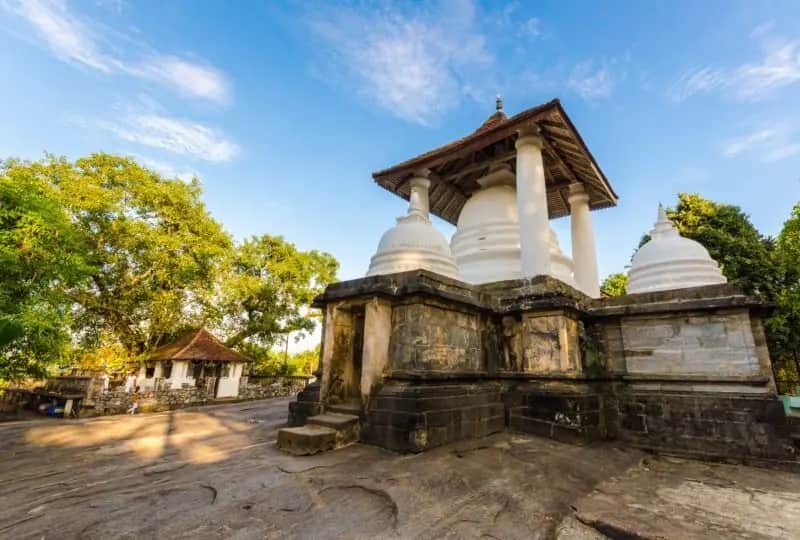
Gadaladeniya Temple
Gadaladeniya Raja Maha Viharaya is a 14th century stone temple on a flat rock at Pilimathalawa, west of Kandy. Its design shows South Indian influence.
Image Credit: ShutterStock

Pidurutalagala - the tallest peak in Sri Lanka
Pidurutalagala, at about 2,524 metres, is the highest mountain in Sri Lanka and rises behind Nuwara Eliya. Access to the summit is restricted because of a military installation.
Image Credit: ShutterStock

Victoria Golf & Country Resort
Victoria Golf and Country Resort, at Digana about 30 to 40 minutes east of Kandy, has an 18-hole course on rolling hills above the Victoria reservoir.
Image Credit: ShutterStock

Sigiriya Rock Fortress
Sigiriya, the Lion Rock, is a 5th century rock fortress and UNESCO World Heritage Site. Climb past water gardens, frescoes and the Lion Gate to the palace ruins on the summit.
Image Credit: ShutterStock

Beruwela Beach
Beruwala, about 1.5 hours from Colombo, has a long sandy beach lined with resort hotels. The sea is calm from about November to April.
Image Credit: ShutterStock

Pottuvil Lagoon Safari
Paddle or boat through Pottuvil lagoon, just north of Arugam Bay, past mangroves full of birds. Monitor lizards and crocodiles are often seen along the banks.
Image Credit: ShutterStock

Tuk Tuk rides
Tuk tuks, called three-wheelers in Sri Lanka, are the quickest and most fun way around Colombo. Take a guided tuk tuk tour or use a ride app for short trips.
Image Credit: ShutterStock
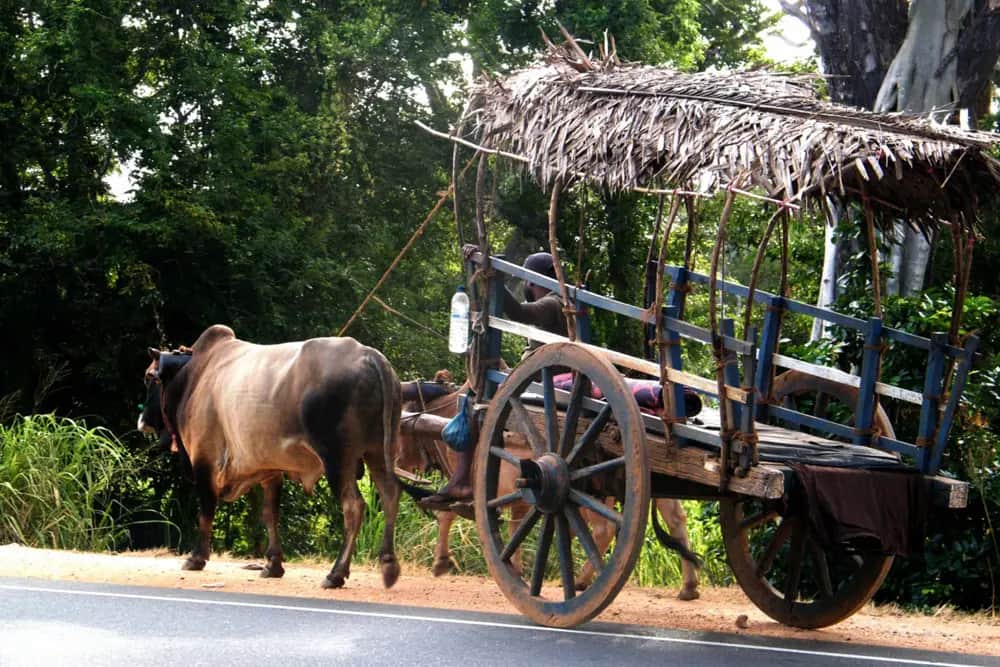
Village tour
A village tour near Habarana is a half-day look at rural life in the dry zone. Ride a bullock cart, cross a lake by canoe and share a home-cooked meal.
Image Credit: ShutterStock
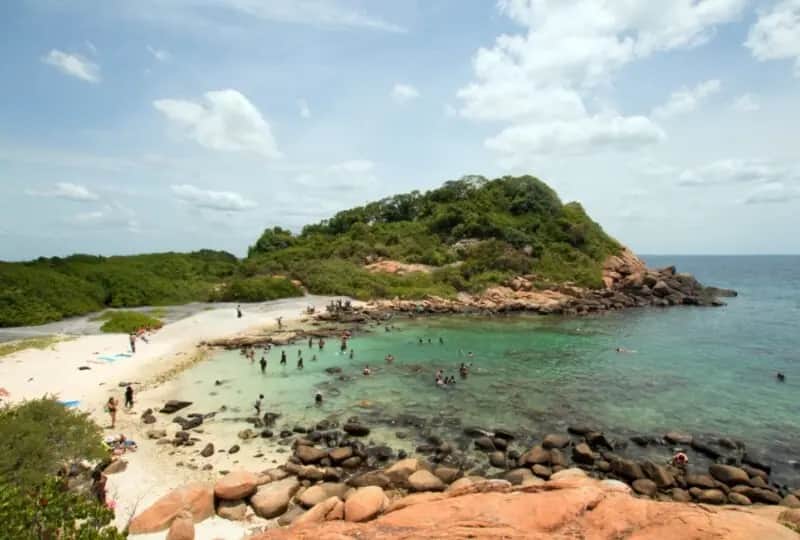
Pigeon Island
Pigeon Island, off Nilaveli, is one of two marine national parks in Sri Lanka. Snorkel over coral among reef fish, turtles and blacktip reef sharks in the calm season.
Image Credit: ShutterStock

Hiking and Trekking in Knuckles Range
The Knuckles range, north-east of Kandy, is one of the best areas in Sri Lanka for hiking, part of a UNESCO World Heritage Site. Trails run from short walks to multi-day treks through cloud forest and villages.
Image Credit: ShutterStock

The Post Office and other Colonial buildings
Nuwara Eliya was developed by the British in the 19th century, which is why it looks like an English town. See the red-brick post office, the Grand Hotel, the Hill Club and old bungalows.
Image Credit: ShutterStock

Spa, Ayurveda & Yoga in the South West
The south-west coast from Wadduwa to Bentota has one of the largest groups of Ayurveda resorts in Sri Lanka. Book a single treatment or a full programme with doctors, therapies and yoga.
Image Credit: ShutterStock

Surfing in Arugam Bay
Arugam Bay is Sri Lanka's best known surf destination, with the season running from about April to October. The Main Point offers long right-hand waves, and other breaks nearby suit beginners.
Image Credit: ShutterStock

Pitawala Pathana
Pitawala Pathana is a grassland on a gently sloping slab of rock in the Knuckles range, near Riverstone. A short walk leads to a cliff edge known as Mini World's End, with views over the lowlands.
Image Credit: ShutterStock