
Highlights
- Cross Elephant Pass, the causeway that joins the peninsula to the mainland
- Visit the golden Nallur Kandaswamy temple to Lord Murugan
- Walk through Jaffna market and taste palmyra products
- Walk the ramparts of the star-shaped Dutch fort
- See local finds at the Jaffna Archaeological Museum
- Visit the Keerimalai springs beside the sea on the north coast
- Watch flamingos and other birds on the lagoons
- Eat Jaffna crab curry and other northern seafood dishes
Overview
Jaffna, at the northern tip of Sri Lanka, is the heart of the island's Tamil culture. Colourful Hindu temples, Dutch and British buildings, palmyra palms, lagoons and small islands give it a character quite different from the south. Closed to most visitors during the long civil war, it has reopened since 2009 and rewards travellers who make the journey north.
History
The Jaffna peninsula has been settled for well over two thousand years and has long links with South India. From the 13th century the Aryacakravarti kings ruled a Tamil kingdom here from Nallur. The Portuguese conquered it in 1619, destroying many temples and building churches, and the Dutch took Jaffna in 1658 after a long siege and rebuilt the fort. The British arrived in 1795. The civil war from 1983 to 2009 caused great loss, and many people left for abroad. Since then the city has been rebuilt, and the diaspora remains closely tied to it.
In the city
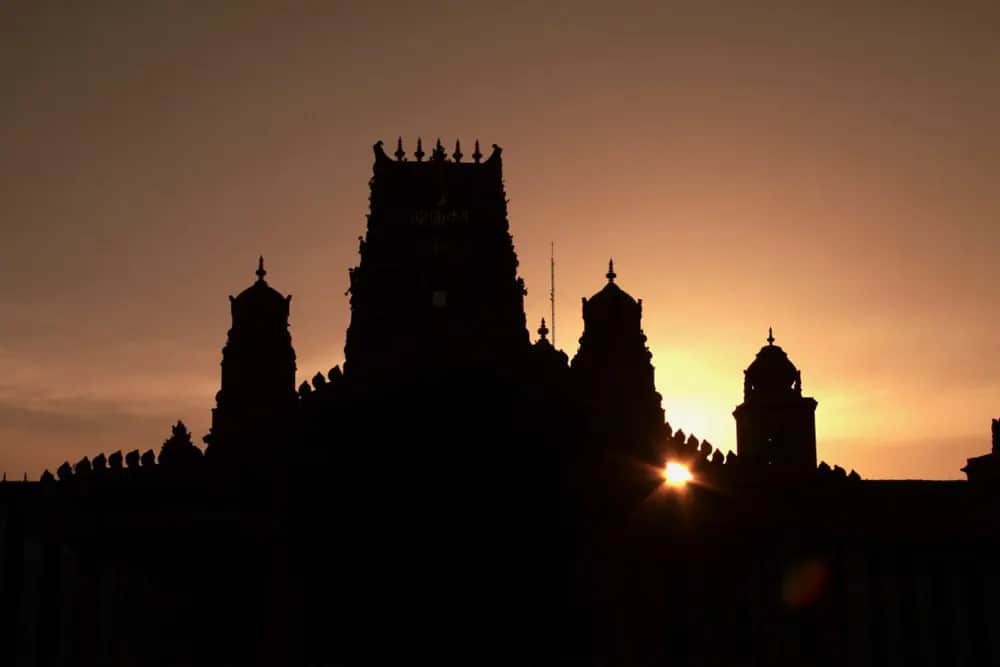
Nallur Kandaswamy Kovil
The golden-towered Nallur Kovil, dedicated to Lord Murugan, is the most important Hindu temple in the north. Pujas are held several times a day, and men must remove shirts before entering. The annual festival, usually in July and August, lasts about 25 days and draws huge crowds.
Jaffna Fort
Built by the Portuguese and rebuilt by the Dutch in a star shape, Jaffna Fort is one of the largest colonial forts in Sri Lanka. It was badly damaged in the war and has been partly restored; walk the ramparts for views over the lagoon.
Library, museum and clock tower
The Jaffna Public Library, once one of the largest in Asia, was burned in 1981 and rebuilt in its original style, reopening in the early 2000s. The Jaffna Archaeological Museum in Nallur holds Hindu and Buddhist finds, including material from excavations at Kantarodai. The clock tower commemorates the visit of the Prince of Wales in 1875. Remains of the Nallur royal palace and the Yamuna Eri pool date from the Jaffna kingdom.
The market
Jaffna's market is a lively place to see local produce, especially the famous Jaffna mangoes in season, and palmyra products.
Around the peninsula
The Keerimalai springs, on the north coast, are freshwater pools beside the sea, used for bathing and believed to have healing properties. Point Pedro is near the northernmost point of Sri Lanka. Casuarina Beach, on Karainagar island, has shallow water and soft sand. Kantarodai has a cluster of small ancient stupas, and Dambakola Patuna is where Sanghamitta is said to have landed with the sapling of the Sri Maha Bodhi. The Nilavarai well, inland, is famous for never running dry. Elephant Pass, the causeway linking the peninsula to the mainland, saw some of the war's heaviest fighting.
The islands
Ferries cross from Kurikadduwan to Nainativu, with its Nagapooshani Amman Kovil and Nagadeepa Buddhist temple, both important pilgrimage sites. Delft island, further out, has wild ponies descended from those brought by the Portuguese, coral stone walls, a baobab tree and ruins of a Dutch fort. Boats are small and can be crowded; check the weather.
Food
Jaffna food is spicier than in the south and shaped by South Indian traditions. The famous Jaffna crab curry, mutton curry and odiyal kool, a seafood soup thickened with palmyra flour, are specialities. Breakfast means dosa, idli, vadai and pittu, often served on a banana leaf in vegetarian restaurants. Try a falooda or ice cream in one of the old parlours near the market.
Getting there and around
Jaffna is about 400 km from Colombo, around seven to eight hours by road via the A9, which passes Elephant Pass. Trains from Colombo Fort run along the restored northern line in about six to eight hours, and there are domestic flights to Palaly. Tuk-tuks and hired cars are the best way to see the peninsula.
When to go and how long to stay
The dry season runs from about February to September, with the hottest weather around April, May and August. The north-east monsoon brings rain from about October to January, when the lagoons fill and migrant birds arrive. Allow three nights to see the city, the peninsula and one island.
The Vallipuram and Point Pedro coast
On the way to Point Pedro, the Vallipuram Vishnu temple is one of the most important Vishnu shrines in the north, and the Manalkadu dunes nearby rise above a long empty beach. At Point Pedro itself, a lighthouse and a fishing harbour mark the northern coast.
Practical tips
Jaffna is conservative, so dress modestly, especially at temples, where men usually remove their shirts and everyone removes shoes. Photography is not allowed inside many kovils. Some former military areas are still restricted; follow signs. Carry cash, as cards are not accepted everywhere outside the city, and check ferry times to the islands the day before.
Where to stay
Hotels range from modern business hotels and boutique heritage properties to simple guesthouses near the city centre. Compare hotels in Jaffna.
Related posts
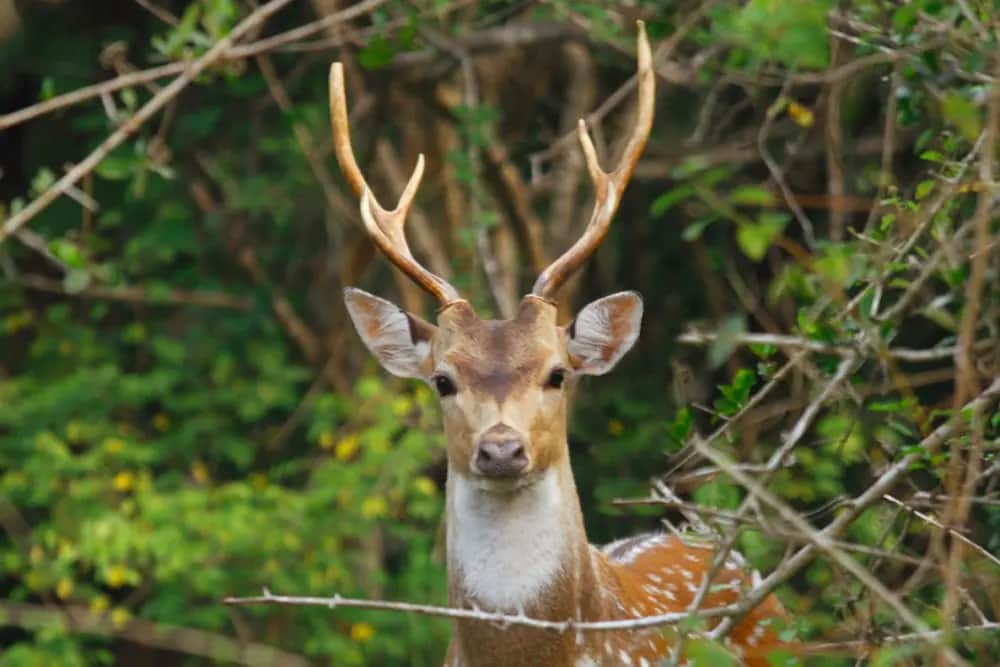
Yala
Yala National Park in the south-east is Sri Lanka's most visited park and one of the best places in Asia to see leopards. Elephants, sloth bears, crocodiles and many birds live among its scrub, lagoons and rocky outcrops by the sea.
Image Credit: ShutterStock
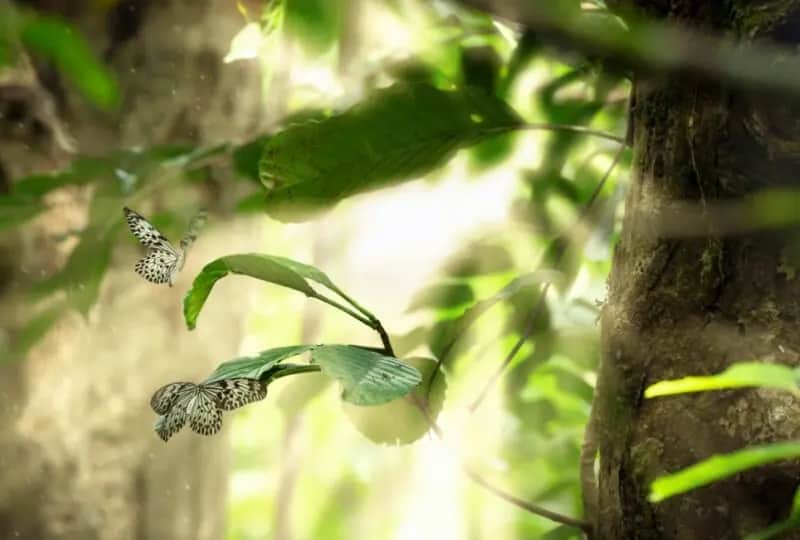
Singharaja
Sinharaja is Sri Lanka's largest remaining lowland rainforest and a UNESCO World Heritage Site. Guided trails lead past streams and waterfalls, and most of the island's endemic birds can be found here, often in noisy mixed feeding flocks.
Image Credit: ShutterStock
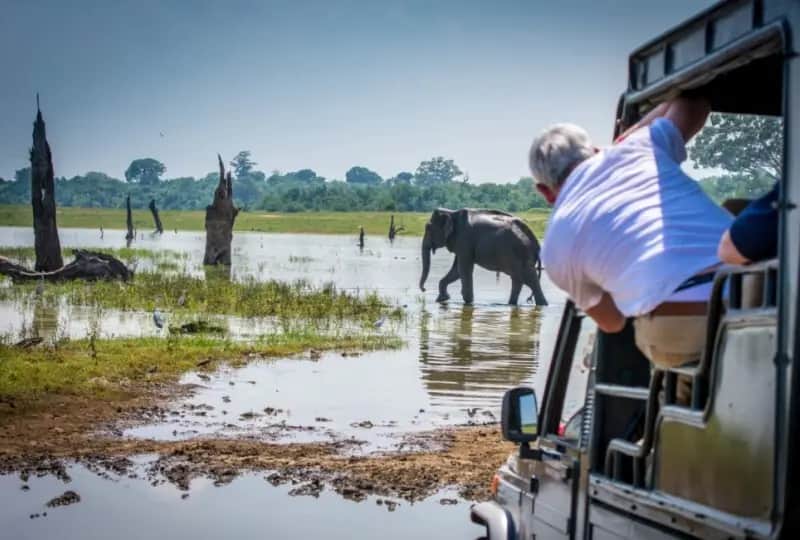
Udawalawe
Udawalawe National Park, around a large reservoir on the edge of the hills, is the most reliable place in Sri Lanka to see wild elephants on safari. The Elephant Transit Home nearby raises orphaned calves for release back into the wild.
Image Credit: ShutterStock

Anuradhapura
Anuradhapura was Sri Lanka's first great capital and a centre of Buddhism for more than a thousand years. Huge stupas, monastery ruins and the sacred Sri Maha Bodhi tree make it an active place of pilgrimage as well as a UNESCO site.
Image Credit: ShutterStock
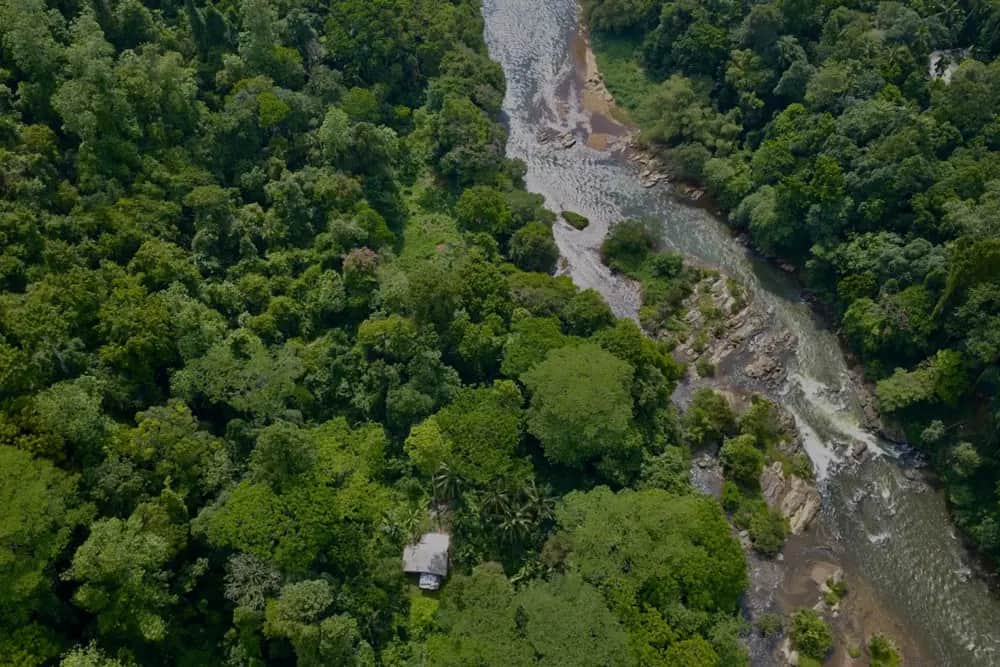
Kitulgala Forest Reserve
Kitulgala sits on the Kelani River among lowland rainforest and is Sri Lanka's main base for white water rafting. Canyoning, waterfall abseiling and jungle treks fill the rest of the day, and the village was a filming location for The Bridge on the River Kwai.
Image Credit: ShutterStock
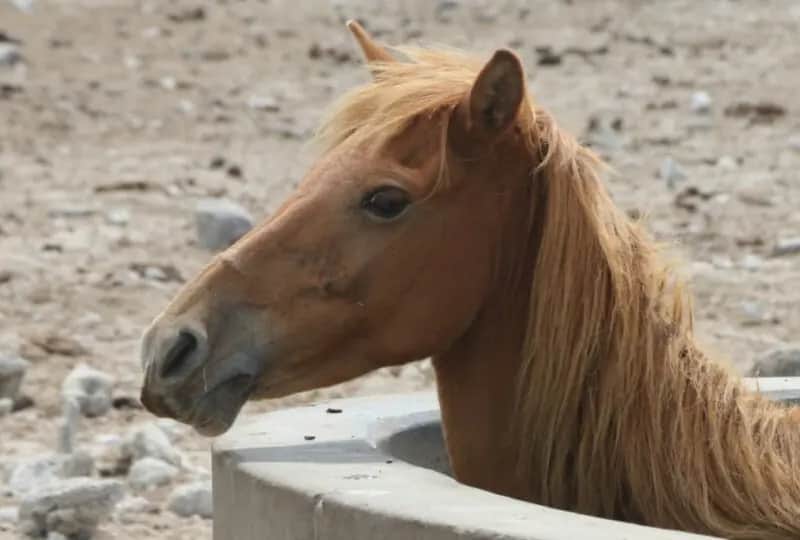
Delft Island
Delft is the largest of the islands off Jaffna, a windswept place of coral-stone walls, wild ponies and Dutch fort ruins. A ferry from Kurikadduwan makes it a full day trip from Jaffna.
Image Credit: ShutterStock