
Highlights
- A Shiva temple nearby shows fine Hindu stonework
- Thuparama is one of the best preserved image houses of its kind
- Nissanka Malla's Latha Mandapaya has lotus stalk pillars
- The Atadage held the Tooth Relic under Vijayabahu I
- The Hatadage was another shrine built for the relic
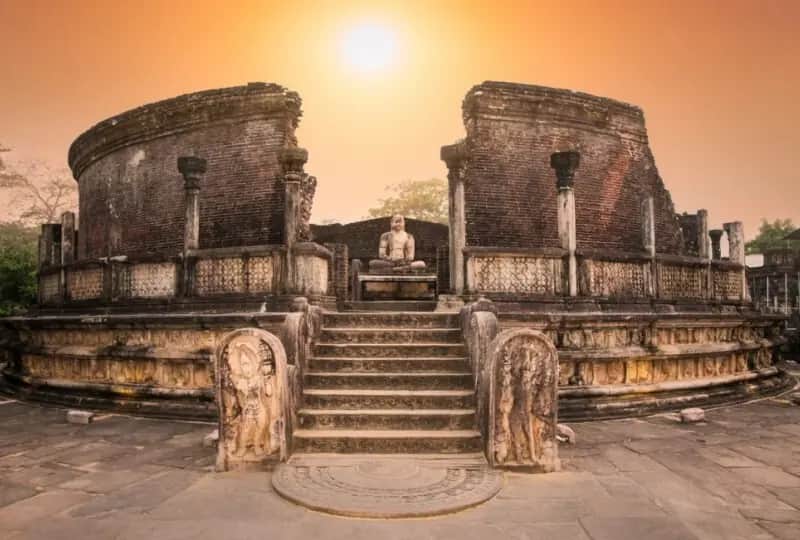
- The circular Vatadage is the centrepiece of the Quadrangle
- The Gal Potha is a huge stone book of royal inscriptions
- The stepped Satmahal Prasada is unlike any other building here
Overview
The Quadrangle, or Dalada Maluwa ("terrace of the tooth relic"), is the sacred heart of the ancient city of Polonnaruwa, the island's capital from the 11th to the 13th centuries. On a raised, walled terrace stand some of the most beautiful buildings of the period, built to honour the Sacred Tooth Relic and the Buddha. The ancient city is a UNESCO World Heritage Site.
The Vatadage
The highlight is the Vatadage, a circular relic house on two terraces, often linked to King Parakramabahu I or Nissanka Malla in the 12th century. The upper terrace has four entrances facing the cardinal directions, each leading to a seated Buddha around a small central stupa. Its stonework is among the finest in Sri Lanka: guardstones, makara (dragon) balustrades and, at the northern entrance, a superb moonstone. The original roof is lost; a scale model in the museum shows how it may have looked.
Other buildings in the Quadrangle
- Atadage ("house of eight relics"): built by King Vijayabahu I in the 11th century as an early temple of the tooth relic. Stone pillars that once held a wooden upper floor remain, with a standing Buddha.
- Hatadage ("house of sixty relics" or "seven relics"): built by Nissanka Malla, also for the tooth relic, with thick walls and Buddha statues. The name is explained in different ways.
- Thuparama: the best preserved gedige (vaulted image house) in Polonnaruwa, and the only one still roofed. Its thick brick walls were decorated with stucco figures.
- Latha Mandapaya: built by Nissanka Malla, a small shrine with stone pillars carved like lotus stalks topped by buds, inside a stone lattice fence, around a small stupa.
- Gal Potha ("stone book"): a huge stone slab carved like a palm leaf book, recording the deeds and virtues of Nissanka Malla. The inscription says the stone was brought from Mihintale.
- Satmahal Prasada: an unusual stepped tower of six surviving storeys, with an uncertain origin. Its style is often compared with buildings in South-East Asia.
Shiva Devale nearby
Just south of the Quadrangle stands a Shiva temple from about the 13th century, built in finely cut stone in South Indian style. Bronze statues found there are now in the museum.
How long it takes
About one to one and a half hours.
When to go
Early morning or late afternoon, when it is cooler and the light is soft.
Getting there
The Quadrangle is in the centre of the ancient city, a short ride from the museum and ticket office. Bicycles are a popular way to get around.
Practical tips
- The ancient city ticket covers the site; 2026 guides listed about US$30 for foreign adults.
- Remove shoes and hats on the terrace; bring socks for hot stone.
- Visit the museum first for context.
See the Gal Vihara, the Parakrama Samudra and our Polonnaruwa day tour. See things to do in Polonnaruwa and Polonnaruwa hotels.
Prices are as of October 2026 and may change.
Related posts
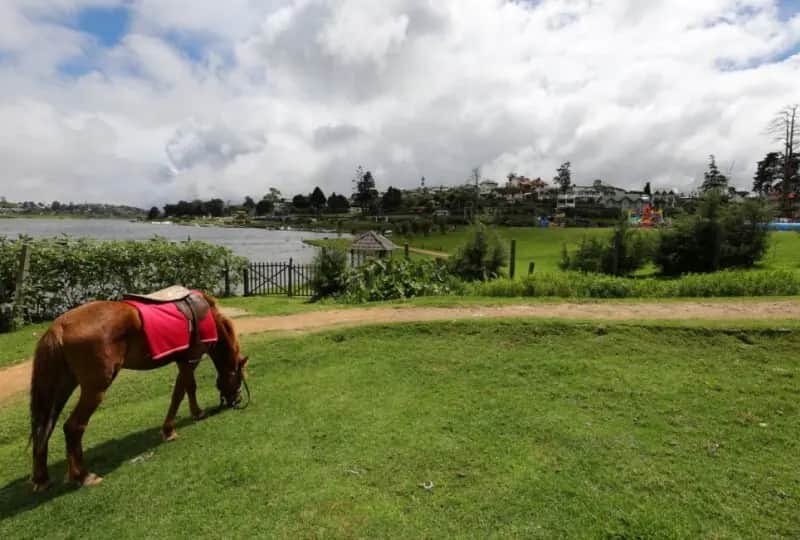
Nuwara Eliya Horse Racing Course
The Nuwara Eliya racecourse lies in the centre of town at about 1,868 metres, one of the highest in the world. Races are held in the April holiday season.
Image Credit: ShutterStock
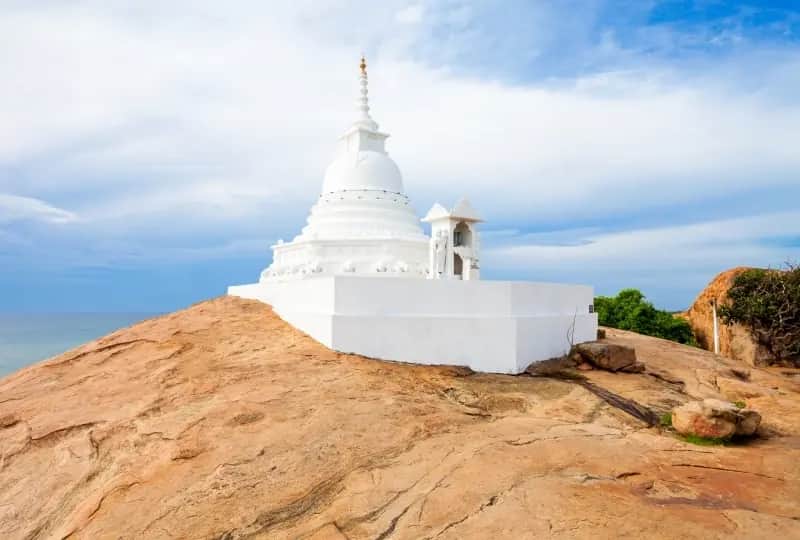
Kirinda Vihara Maha Devi Temple
Kirinda Raja Maha Viharaya is a Buddhist temple on a large rock by the sea at Kirinda, near Yala. It is linked to Viharamahadevi, the mother of King Dutugemunu, who in legend came ashore here.
Image Credit: ShutterStock
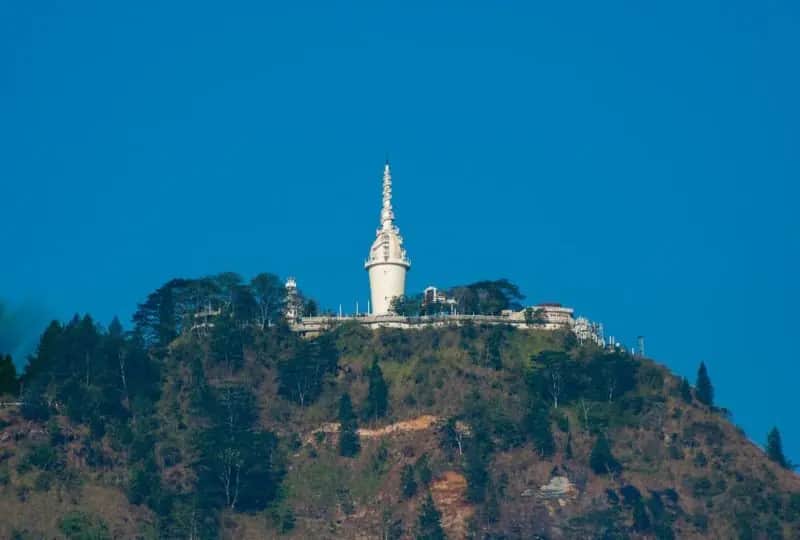
Ambuluwawa Temple & Campaign Site
Ambuluwawa is a mountain beside Gampola, about 20 km south of Kandy. Its summit holds a biodiversity complex with a tall spiral tower and wide views over the hills.
Image Credit: ShutterStock

Jaffna Library
The Jaffna Public Library grew from a small community library in the 1930s into a major centre of Tamil learning. Burned in 1981 with many rare manuscripts, it has been rebuilt in its original style.
Image Credit: ShutterStock

Richmond Castle
Richmond Castle is a grand early 20th century mansion near Kalutara, set in gardens by the Kalu Ganga. Built for a local Mudaliyar, it mixes Indian and European styles.
Image Credit: ShutterStock

St. Anthony's Church Kochikade
St Anthony's Shrine in Kochchikade, near the harbour, is one of the best loved churches in Sri Lanka. People of all faiths come to pray here, especially on Tuesdays.
Image Credit: ShutterStock

Situlpawwa Monastery
Situlpawwa is an ancient Buddhist monastery on a large rock in the Yala area, believed to date from the 2nd century BC. Climb to the stupa on top for views over the jungle.
Image Credit: ShutterStock

Weherahena temple
Weherahena, near Matara, is a Buddhist temple known for its long underground tunnel shrine lined with paintings and a very large Buddha statue.
Image Credit: ShutterStock
Day Tour of Trincomalee
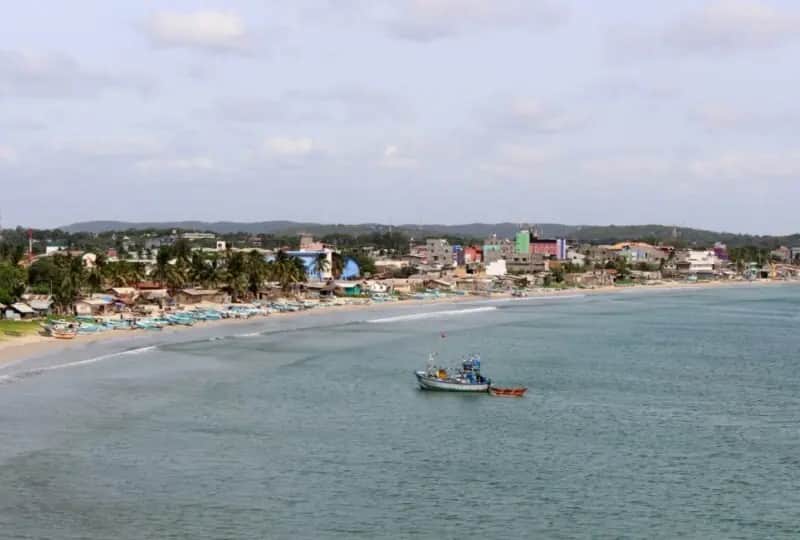
See the best of Trincomalee in a day, from Koneswaram temple and Fort Frederick to the harbour, the beaches and the Kanniya hot wells.
Image Credit: ShutterStock
Kadadora
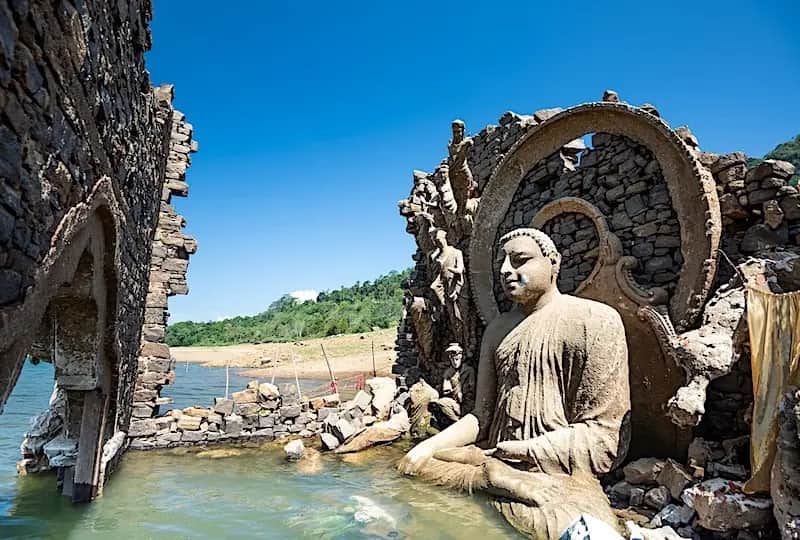
Kadadora, in the Kotmale area, is known as the hiding temple. The old temple was submerged by the Kotmale reservoir and appears again when the water level falls.
Image Credit: ShutterStock

Yatagala Raja Maha Viharaya
Yatagala Raja Maha Viharaya is a rock temple inland from Unawatuna, among large granite boulders. It has a reclining Buddha and old murals.
Image Credit: ShutterStock

Sri Kailawasanathan Swami Devasthanam Kovil
Sri Kailawasanathan Swami Devasthanam, also known as the Captain's Garden temple, is widely described as the oldest Hindu temple in Colombo.
Image Credit: ShutterStock

Angurukaramulla Temple
Angurukaramulla temple is the best known Buddhist temple in Negombo, with a dragon entrance and a large seated Buddha.
Image Credit: ShutterStock

Ruwanwelisaya Dagoba
Ruwanwelisaya, the Great Stupa, is one of the most sacred stupas in Sri Lanka, built by King Dutugemunu. Its white dome is surrounded by a wall of elephant sculptures.
Image Credit: ShutterStock

Gangarama Temple and Seema Malaka Meditation Centre
Gangaramaya is one of Colombo's best known Buddhist temples, with a museum full of gifts from devotees. Across the road, Geoffrey Bawa's Seema Malaka shrine sits on Beira Lake.
Image Credit: ShutterStock

Aukana Buddha Statue
The Aukana Buddha is a standing statue about 12 metres tall, carved from a granite rock face near the Kala Wewa reservoir. It is one of the finest ancient statues in Sri Lanka.
Image Credit: ShutterStock

Tangalle Dutch Fort
Tangalle's Dutch fort is a small, plain structure near the harbour. The Dutch valued Tangalle as a trading post, and the fort is now used as a prison, seen from outside.
Image Credit: ShutterStock

Jami Ul-Alfar Mosque (Red Mosque)
The Jami Ul-Alfar Mosque, known as the Red Mosque, stands on Second Cross Street in Pettah. Built in 1909, its red and white brickwork is one of Colombo's best known sights.
Image Credit: ShutterStock

Anjaneyar Temple-Dehiwela
The Sri Anjaneyar temple in Dehiwala is dedicated to Hanuman, known here as Anjaneyar. It is a stop on the Ramayana trail close to Colombo.
Image Credit: ShutterStock

The Beira Lake
Beira Lake lies in the centre of Colombo, bordered by Fort, Slave Island and Pettah. The Seema Malaka shrine stands on the water, and paths and swan boats line its shore.
Image Credit: ShutterStock