

Highlights
- Walk the tea covered hills and learn how tea is made
- Tea bushes are pruned to about 1.5 metres
- Only the bud and young leaves are picked for the factory
- See leaves dried, rolled, fermented and graded
- Finished tea is packed and stored for shipping
Overview
Tea is the defining crop of Sri Lanka's hill country. Around Nuwara Eliya, Hatton, Haputale, Bandarawela and Kandy, neat rows of tea bushes cover the slopes, and many estates welcome visitors to see how Ceylon tea is grown and made.
A short history
Coffee was the main plantation crop under British rule until a leaf disease destroyed the plantations in the 1870s. Tea was planted at the Peradeniya botanical gardens in the 1820s, and in 1867 James Taylor started the first commercial tea plantation at Loolecondera estate, near Kandy. Planting spread quickly across the hills, and Sri Lanka, then Ceylon, became one of the world's leading tea producers, a position it still holds.
In the plantation
Tea bushes are pruned to about waist height, forming a flat "plucking table". Pluckers, mostly women, pick the two youngest leaves and a bud by hand, filling baskets carried on their backs. The finest young leaves have a silvery down, which gives the word "pekoe", from a Chinese word for fine hair. Some tours let you try plucking alongside the pickers and learn about their lives.
In the factory
- Withering: fresh leaves are spread in long troughs while fans blow air through them for many hours, removing moisture and softening the leaves.
- Rolling: machines roll and break the leaves, releasing their juices.
- Fermentation (oxidation): the broken leaf rests in cool, humid air, turning coppery and developing flavour and aroma. Timing is carefully controlled.
- Drying: hot-air dryers stop the oxidation and turn the leaf black, giving black tea.
- Sorting and grading: stems are removed, and the tea is sieved into grades by size, from whole leaf grades to fannings and dust.
- Packing: the tea is packed in bulk for auction and export.
Visits usually end with a tasting and a shop.
High-grown tea
Tea from the highest areas, such as Nuwara Eliya, is light and delicate, while lower-grown teas are stronger and darker.
How long it takes
About an hour for a factory tour; half a day with a plantation walk.
When to go
Factories work all year, but processing is often most active in the morning. Some close on certain days; check locally.
Practical tips
- Some factories limit photography inside.
- Ask before photographing tea pluckers.
- Wear shoes with grip on estate paths.
See the Nuwara Eliya city tour or a tea factory near Galle. Join our Kandy to Nuwara Eliya day tour, or see things to do in Nuwara Eliya and Nuwara Eliya hotels.
Related posts
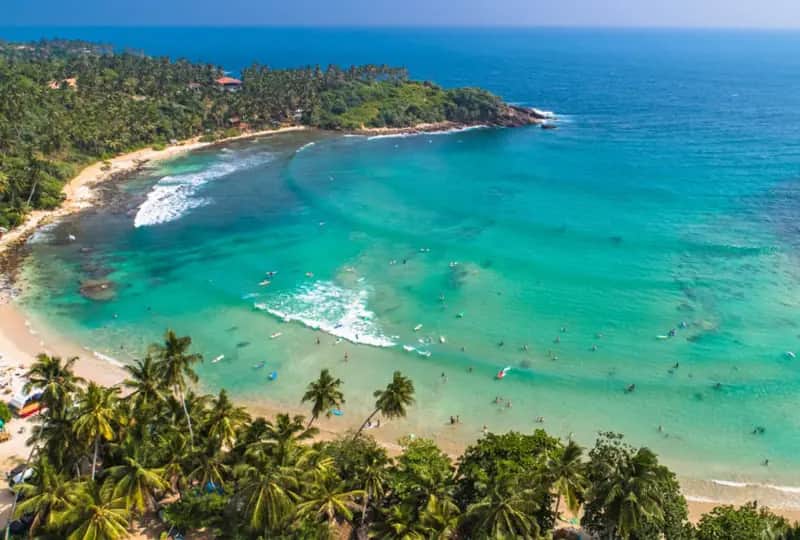
Surfing in Hiriketiya
Hiriketiya is a small horseshoe bay just east of Dikwella, with waves for beginners and intermediates and a relaxed beach scene. Boards and lessons are easy to find.
Image Credit: ShutterStock

Medaketiya and Medilla beach
Medaketiya and Medilla are the long, wide beaches east of Tangalle town. They are good for walks, with guesthouses behind the sand.
Image Credit: ShutterStock
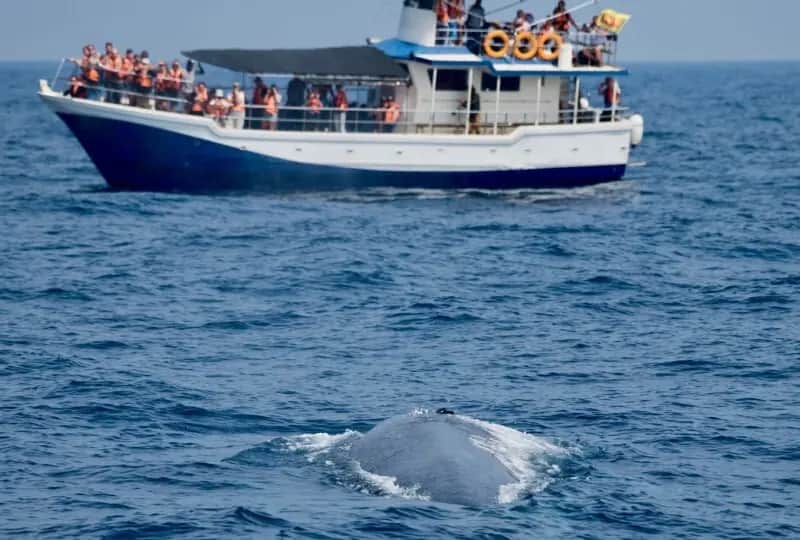
Whale & Dolphin watching in Mirissa
Mirissa is the main base for whale watching in Sri Lanka. From about November to April, boats look for blue whales, sperm whales and dolphins in the deep water offshore.
Image Credit: ShutterStock

Kandy City Tour
See the last royal capital in a day, from the Temple of the Tooth and the lake to the Peradeniya gardens, the market and a Kandyan dance show.
Image Credit: ShutterStock
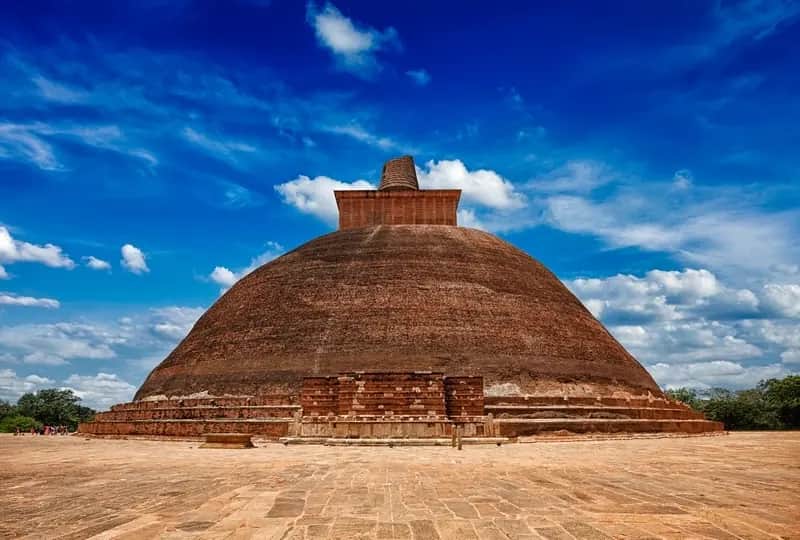
Jetavanaramaya Stupa
Jetavanaramaya is a huge brick stupa in Anuradhapura, begun by King Mahasena in the 3rd century AD. It was once among the tallest structures in the ancient world.
Image Credit: ShutterStock

Nine Arches Bridge & Demodara Rail Hike
The Nine Arches Bridge is a stone railway viaduct between Ella and Demodara, set among tea estates. Walk along the track or through the hills and time your visit with a train; services run between Nanu Oya, Ella and Badulla.
Image Credit: ShutterStock

Lahugala National Park Safari
Lahugala Kitulana is a small park inland from Arugam Bay, important for elephants that gather around its tanks. A short safari here is easy to add to a stay on the coast.
Image Credit: ShutterStock
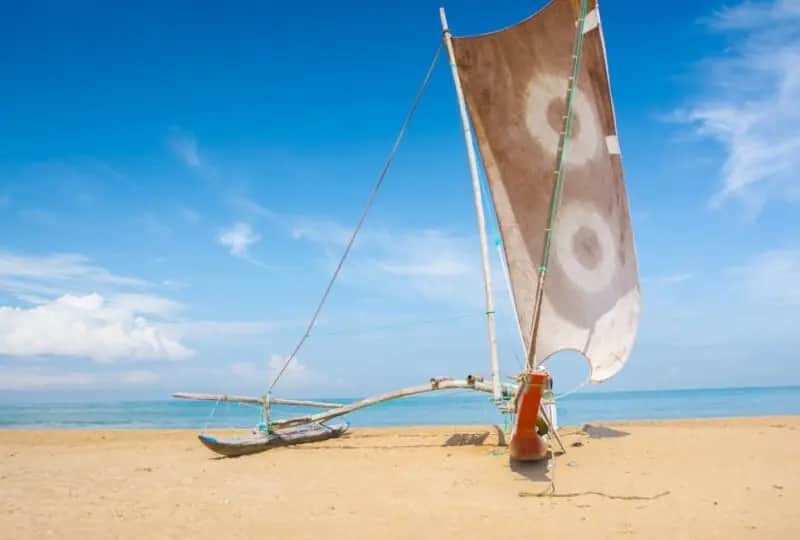
Negombo Beach
Negombo beach runs north from the town along the main hotel strip, 20 to 30 minutes from the airport. It is a convenient place to rest at the start or end of a trip.
Image Credit: ShutterStock
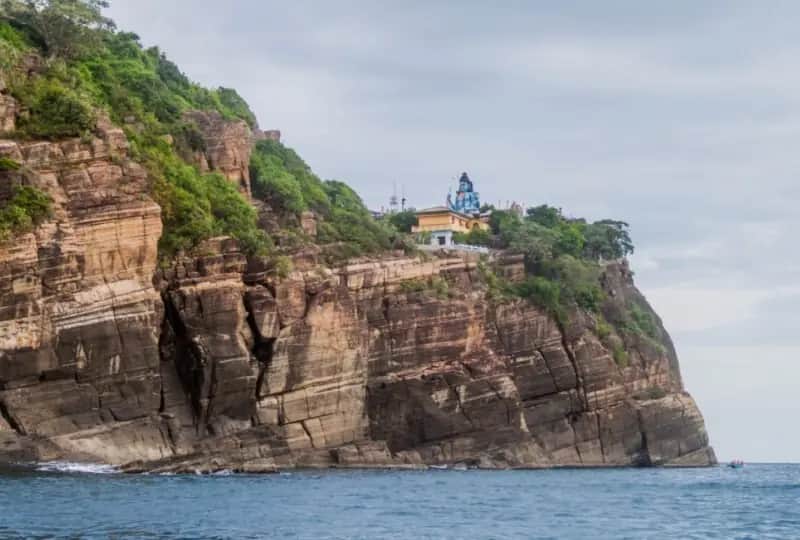
Koneswaram Temple
Koneswaram is one of the most sacred Hindu temples in Sri Lanka, dedicated to Shiva and set on Swami Rock high above the sea. Visit during an evening puja for the views and atmosphere.
Image Credit: ShutterStock
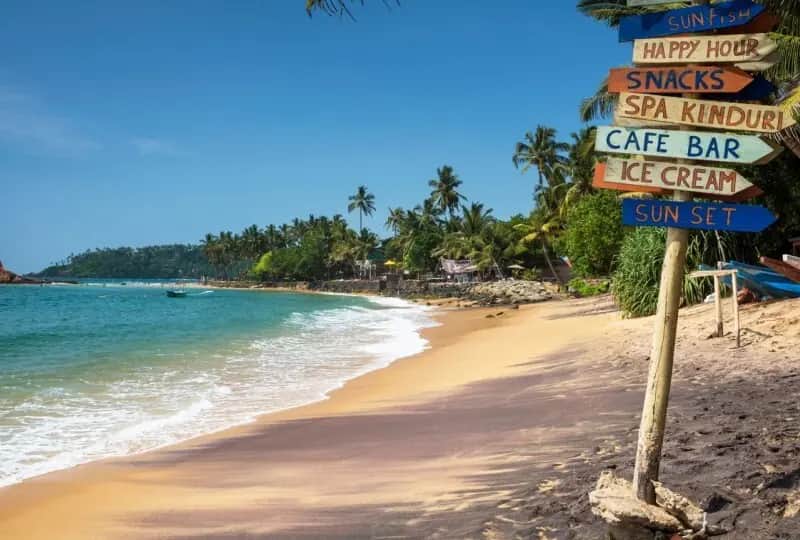
Mirissa Beach
Mirissa has a curved sandy beach backed by palms, restaurants and guesthouses. Swimming is best from about November to April, and the sunsets over the bay are a highlight.
Image Credit: ShutterStock

Polonnaruwa Day Tour
Polonnaruwa was Sri Lanka's capital from the 11th to the 13th centuries. A guided day covers its palaces, temples, stupas and the Gal Vihara.
Image Credit: ShutterStock
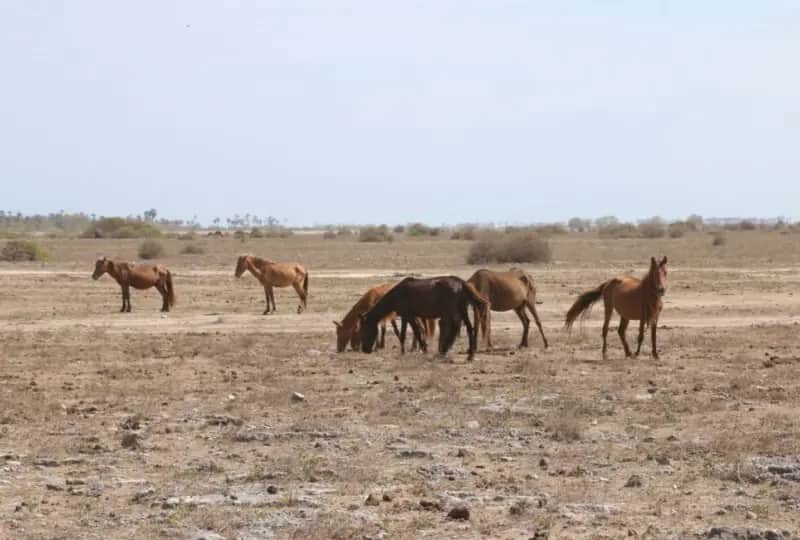
Full Day Tour of Delft Island
Spend a day on Delft, the largest island off Jaffna, reached by ferry from Kurikadduwan. See the wild ponies, coral-stone walls, Dutch fort ruins, the old baobab tree and the growing stone.
Image Credit: ShutterStock

Madu River Mangrove Safari and Fish spa
Take a boat through the Madu River lagoon near Balapitiya, past mangrove islands, a cinnamon island and a small temple. Many trips stop for a fish spa on the way.
Image Credit: ShutterStock

Panama Lagoon Safari
Explore the lagoons and wetlands around Panama village, south of Arugam Bay. They are rich in birds, and elephants sometimes come to the water in the evening.
Image Credit: ShutterStock

Kite surfing in Kalpitiya
Kalpitiya is Sri Lanka's leading spot for kitesurfing, with strong, steady winds from about May to October. The lagoon suits beginners, and schools offer courses and trips.
Image Credit: ShutterStock

Colombo City Tour
See the best of Colombo in a day, from colonial Fort and the markets of Pettah to temples, parks, Galle Face Green and the new towers by the sea.
Image Credit: ShutterStock
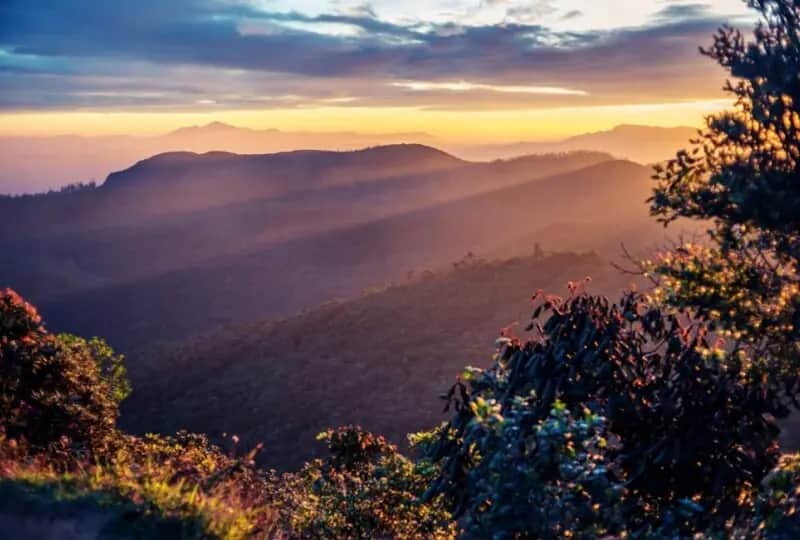
World's End
World's End is the cliff on the southern edge of Horton Plains where the land drops away by hundreds of metres. On a clear early morning the view stretches over tea country to the southern plains.
Image Credit: ShutterStock

Trip to Singharaja Forest for the Day
Spend a day in Sinharaja, Sri Lanka's largest lowland rainforest and a UNESCO World Heritage Site. A guide leads you under tall trees and across clear streams, looking for endemic birds and other wildlife.
Image Credit: ShutterStock

Royal Botanical Gardens
The Royal Botanical Gardens at Peradeniya, about 6 km west of Kandy, are the largest in Sri Lanka. See the orchid house, avenues of palms, a spice garden and a giant Javan fig tree.
Image Credit: ShutterStock
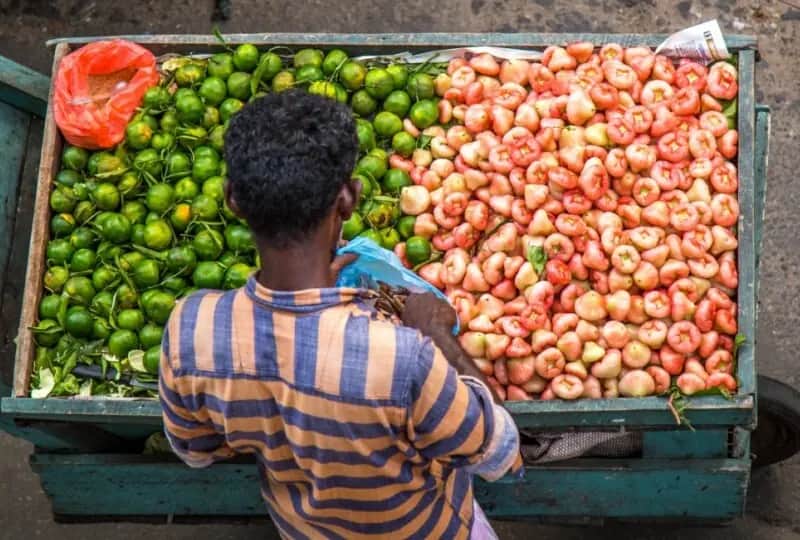
Streets of Pettah
Pettah, just east of Colombo Fort, is the city's oldest and busiest market district. Each street specialises in something, from spices and fabrics to electronics.
Image Credit: ShutterStock