

Highlights
- Sri Lanka's largest coastal marsh, about 7,580 acres
- Its origins are thought to go back around 7,000 years
- Home to nearly 200 plant species, including mangroves
- Rich in birds, butterflies, reptiles and fish
- Declared a sanctuary in 1996
- Boat trips wind through its channels and mangroves
Overview
Muthurajawela is a large coastal marsh at the southern end of the Negombo lagoon, between Negombo and Colombo. It is one of the most important wetlands in Sri Lanka, with mangroves, reed beds and channels linked to the old Dutch canal. Its name is often translated as "supreme field of pearls".
What you see
A boat trip through the channels takes you past mangroves and reeds full of life. Birds include kingfishers, herons, egrets, cormorants and brahminy kites, with migrants from about September to April. Water monitors, crocodiles, monkeys and colourful dragonflies and butterflies are common. The marsh has a rich variety of plants, including several species of mangrove.
How a visit works
A visitor centre at the marsh has run guided boat trips, usually lasting about an hour and a half. Some operators in Negombo also include Muthurajawela on longer lagoon trips. Ask your hotel which option is running and the current price.
How long it takes
About two hours including travel from Negombo.
When to go
Early morning and late afternoon are best for birds and comfort. Migrants are present from about September to April.
Getting there
The marsh is about 20 to 30 minutes south of Negombo and roughly 30 to 45 minutes from Colombo, depending on traffic.
Practical tips
- Bring binoculars, a hat and insect repellent.
- Keep hands inside the boat; there are crocodiles.
- Do not feed the wildlife.
Continue onto the Negombo lagoon or visit the fish market. See things to do in Negombo and Negombo hotels.
Related posts
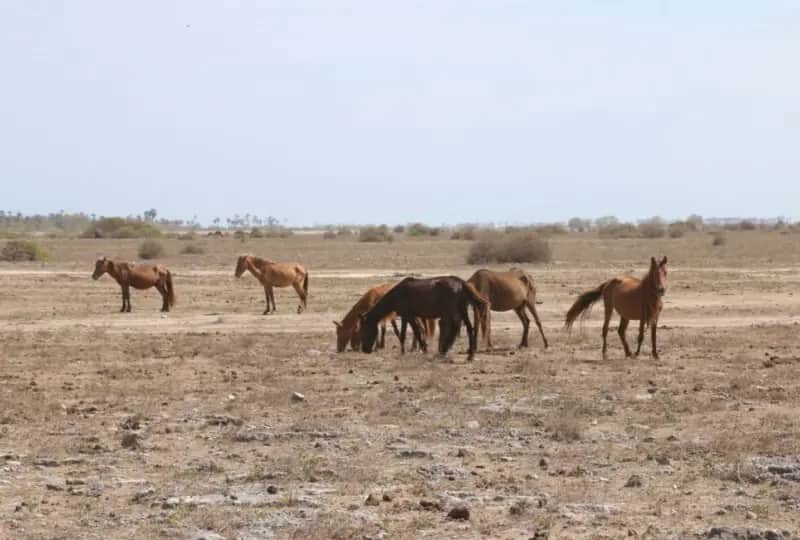
Full Day Tour of Delft Island
Spend a day on Delft, the largest island off Jaffna, reached by ferry from Kurikadduwan. See the wild ponies, coral-stone walls, Dutch fort ruins, the old baobab tree and the growing stone.
Image Credit: ShutterStock

Tuk Tuk rides
Tuk tuks, called three-wheelers in Sri Lanka, are the quickest and most fun way around Colombo. Take a guided tuk tuk tour or use a ride app for short trips.
Image Credit: ShutterStock

Medaketiya and Medilla beach
Medaketiya and Medilla are the long, wide beaches east of Tangalle town. They are good for walks, with guesthouses behind the sand.
Image Credit: ShutterStock
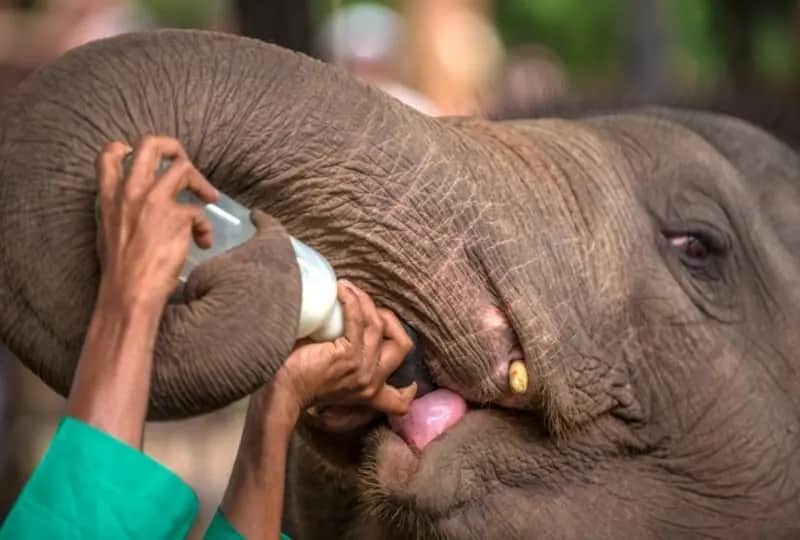
Pinnawela Elephant Orphanage
Pinnawala Elephant Orphanage, near Kegalle on the road between Colombo and Kandy, is run by the Department of Wildlife. Visitors watch the elephants feed and bathe in the river.
Image Credit: ShutterStock
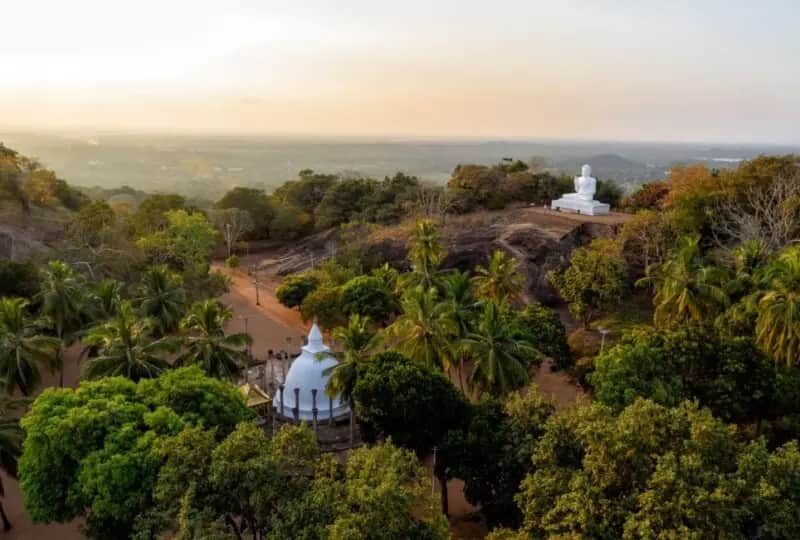
Mihintale
Mihintale, about 12 km east of Anuradhapura, is where Buddhism is said to have come to Sri Lanka. Steps lead up to stupas, caves and a rock summit with wide views.
Image Credit: ShutterStock
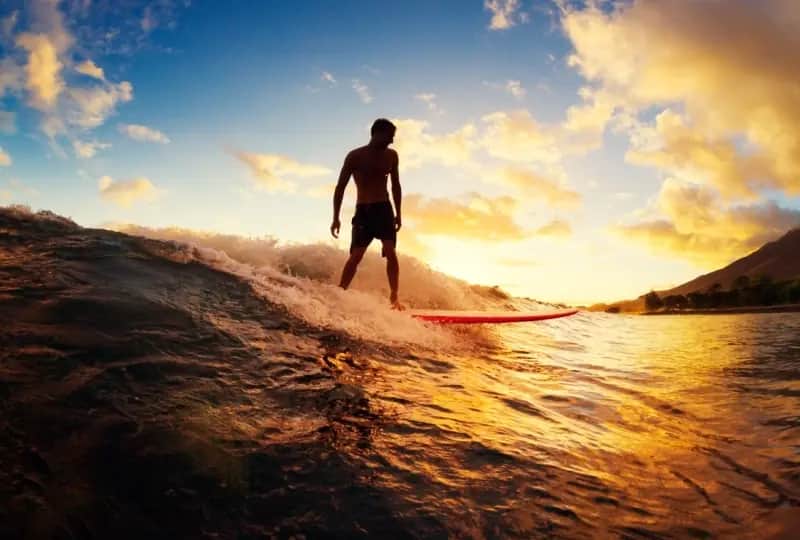
Surfing in Mirissa
Mirissa has a reef break at the western end of the bay that draws intermediate surfers. Beginners can head to the softer waves at Weligama nearby.
Image Credit: ShutterStock

Bahirawakanda Vihara Buddha Statue
Bahirawakanda Vihara is the temple on the hill above Kandy, with a large white statue of the Buddha in meditation. The views over the city are best in the late afternoon.
Image Credit: ShutterStock

St. Mary´s Church
St Mary's Church on Grand Street is the best known church in Negombo, a town so Catholic it is called Little Rome. Its painted ceiling is the highlight.
Image Credit: ShutterStock

Nine Arches Bridge & Demodara Rail Hike
The Nine Arches Bridge is a stone railway viaduct between Ella and Demodara, set among tea estates. Walk along the track or through the hills and time your visit with a train; services run between Nanu Oya, Ella and Badulla.
Image Credit: ShutterStock
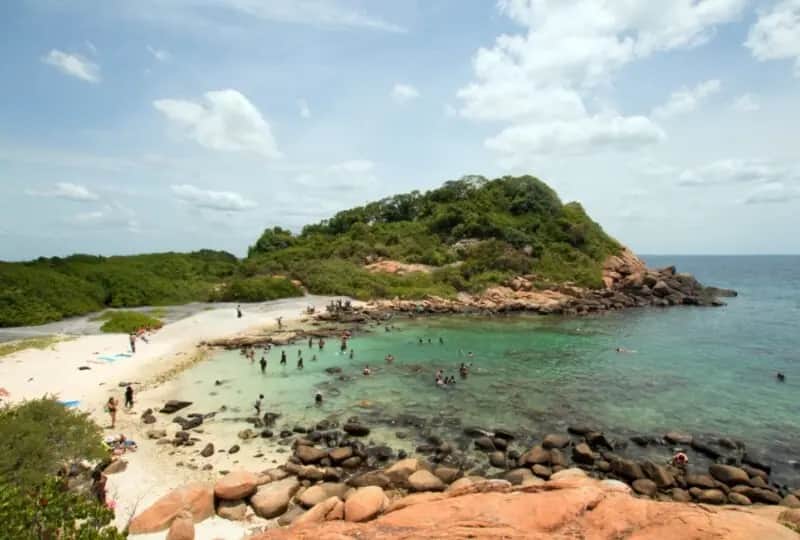
Pigeon Island
Pigeon Island, off Nilaveli, is one of two marine national parks in Sri Lanka. Snorkel over coral among reef fish, turtles and blacktip reef sharks in the calm season.
Image Credit: ShutterStock
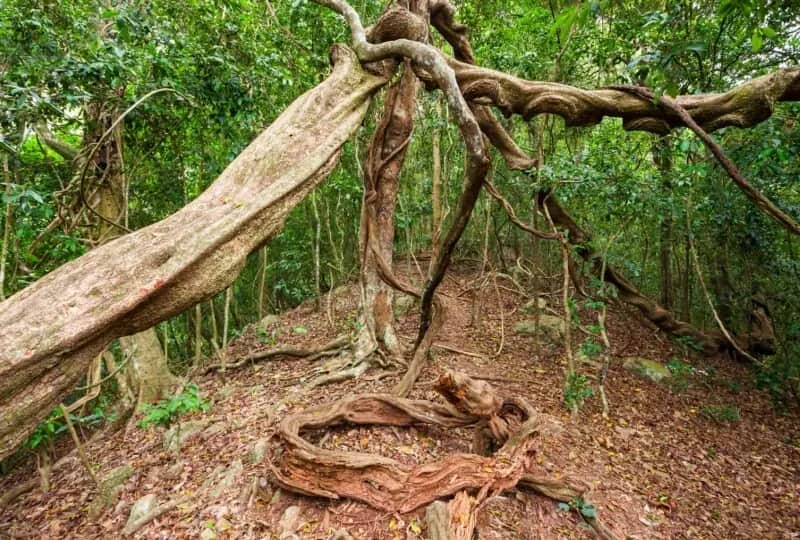
Udawattakele Forest Reserve
Udawattakele is a forest reserve on the ridge just behind the Temple of the Tooth, once the royal pleasure garden. Paths lead through tall trees with monkeys and birds, minutes from the town centre.
Image Credit: ShutterStock
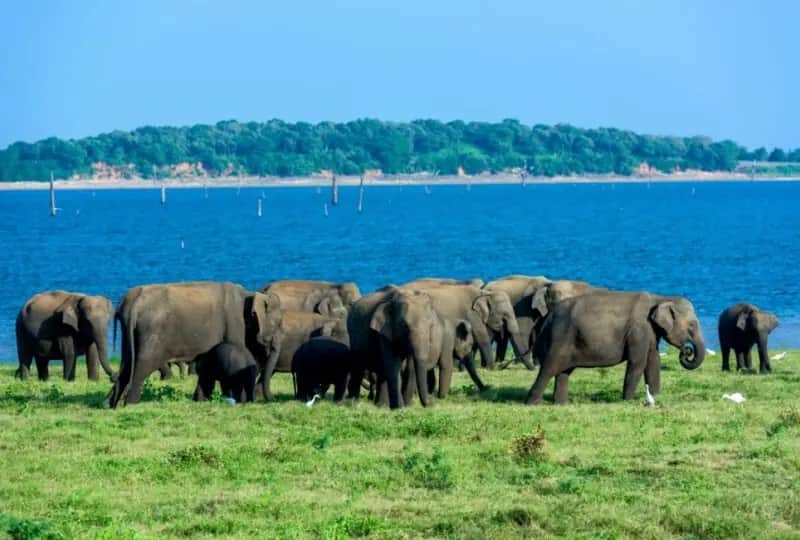
Udawalawe National Park Safari
Udawalawe National Park, around a large reservoir on the edge of the hills, is one of the best places in Sri Lanka to see wild elephants. Jeep safaris also find buffalo, crocodiles and many birds of prey.
Image Credit: ShutterStock

Stilt Fishermen of the South
Stilt fishing is a traditional way of fishing on the south coast, with fishermen perched on poles set in the shallows. Today many pose for photographs between Koggala and Weligama and expect a tip.
Image Credit: ShutterStock

Nuwara Eliya City Tour
Explore Nuwara Eliya, the hill station often called Little England, on a guided day. The tour links colonial buildings, Lake Gregory, Victoria Park, a tea factory and Hakgala gardens.
Image Credit: ShutterStock
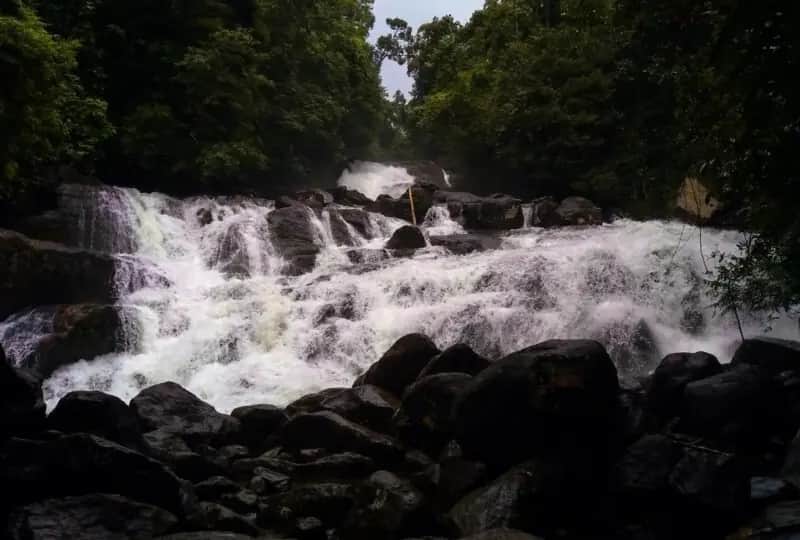
Kanneliya Rainforest
Kanneliya is a lowland rainforest about 35 km inland from Galle, part of a UNESCO biosphere reserve. Trails lead to streams and waterfalls with endemic birds and plants.
Image Credit: ShutterStock

Pitawala Pathana
Pitawala Pathana is a grassland on a gently sloping slab of rock in the Knuckles range, near Riverstone. A short walk leads to a cliff edge known as Mini World's End, with views over the lowlands.
Image Credit: ShutterStock
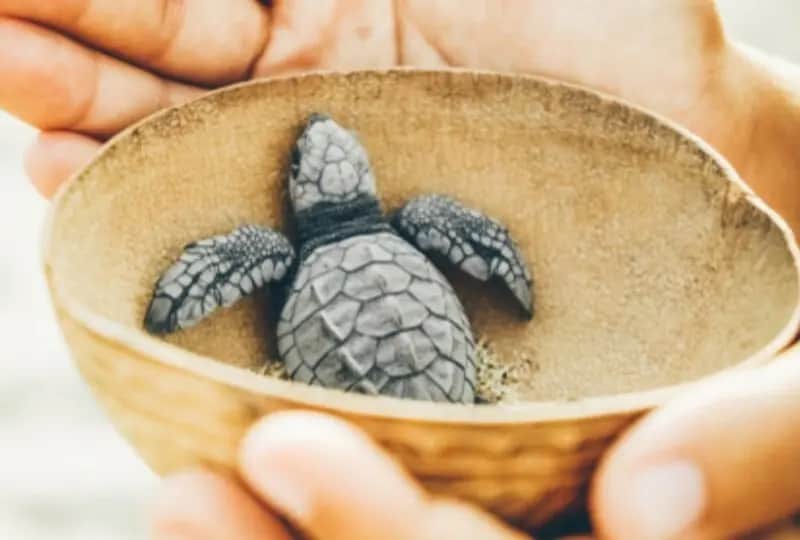
Habaraduwa Turtle Hatchery
The Habaraduwa turtle hatchery, between Galle and Koggala, was set up in 1986. Learn about the sea turtles that nest on the coast and see hatchlings before release.
Image Credit: ShutterStock

Mahamewna Park
Mahamewna Uyana was a royal pleasure garden of ancient Anuradhapura, later given to the Buddhist order. The sacred city's main shrines stand within it.
Image Credit: ShutterStock

Madu River Mangrove Safari and Fish spa
Take a boat through the Madu River lagoon near Balapitiya, past mangrove islands, a cinnamon island and a small temple. Many trips stop for a fish spa on the way.
Image Credit: ShutterStock

Adam’s Peak
Adam's Peak, or Sri Pada, is a steep peak of 2,243 metres sacred to Buddhists, Hindus, Muslims and Christians. Pilgrims climb about 5,000 steps by night from December to May to reach the summit for sunrise.
Image Credit: ShutterStock