
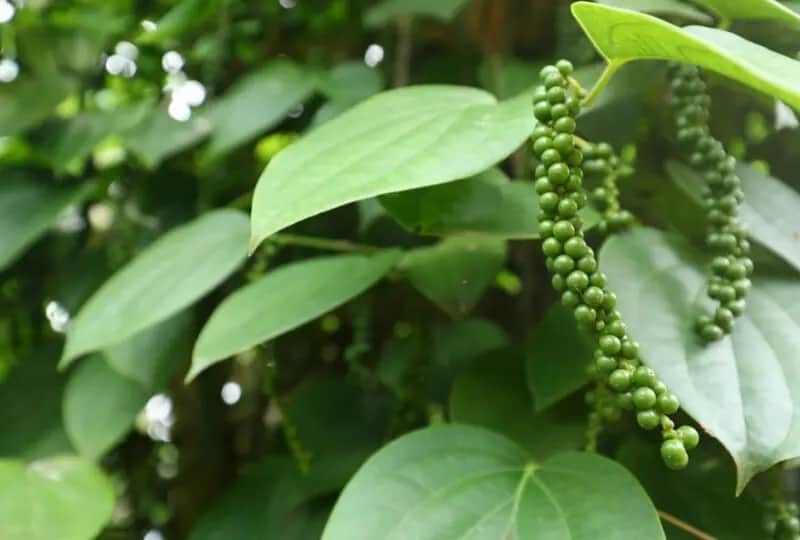
Highlights
- Learn how spices are grown and harvested
- Taste dishes cooked with fresh spices
- Buy natural cosmetics and herbal remedies
- Some gardens offer Ayurveda massages with herbal oils
Overview
Spices drew Arab, Portuguese, Dutch and British traders to Sri Lanka for centuries, and cinnamon remains one of the island's best-known exports. Spice gardens along the roads around Kandy and Matale let visitors see how spices grow and learn how they are used in cooking and Ayurveda, the traditional medicine of the island.
What a visit involves
A guide walks you round the garden, pointing out plants such as cinnamon, black pepper, cardamom, cloves, nutmeg and mace, vanilla, turmeric, ginger, and cocoa. You see how cinnamon bark is peeled and rolled, and learn about each plant's uses. Many tours end with a demonstration or short massage using herbal oils, and a visit to the shop.
How long it takes
About thirty to sixty minutes.
When to go
Any time. Mornings are cooler.
Getting there
Many spice gardens line the A9 road between Kandy and Matale, so they are easy to visit on the way to Dambulla or Sigiriya. Others are near Kandy.
Practical tips
- Entry is usually free, but the visit leads to a shop where prices can be high. There is no obligation to buy.
- Compare prices with markets and supermarkets before buying.
- Ask about Ayurvedic products before use if you take medicines.
Combine with the Peradeniya Botanical Gardens or Temple of the Tooth, or join our Cultural Triangle package. See things to do in Kandy and Kandy hotels.
Related posts
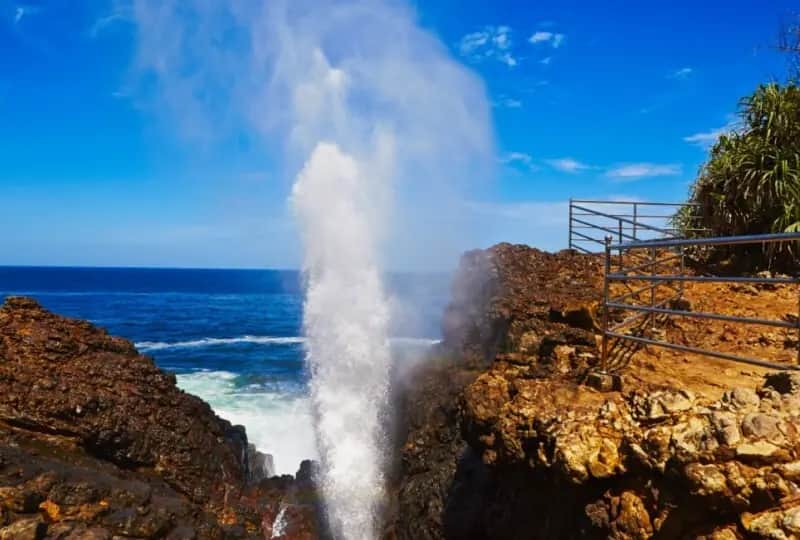
Hummanaya (Blowhole)
Hummanaya is a natural blowhole at Kudawella near Dikwella. When waves rush into a rock cleft, water shoots high into the air, most strongly in rough seas.
Image Credit: ShutterStock
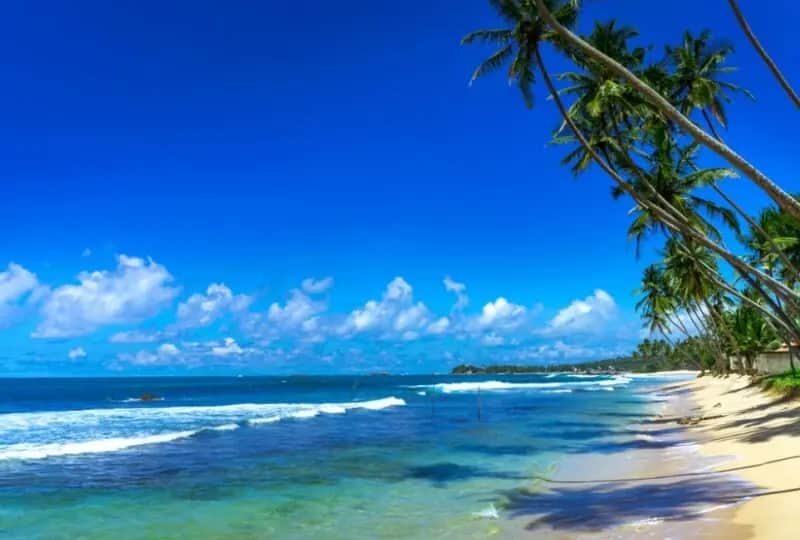
Unawatuna Beach
Unawatuna, about 6 km east of Galle, has one of the best known beaches in Sri Lanka. The curved bay is partly sheltered by a reef and good for swimming from about November to April.
Image Credit: ShutterStock
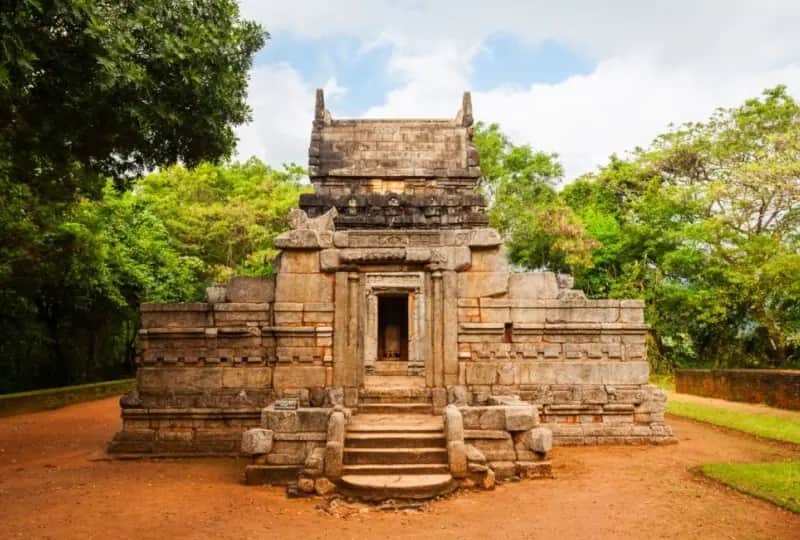
Nalanda Gedige
Nalanda Gedige is an ancient stone shrine near Matale, in the centre of Sri Lanka. It mixes Hindu and Buddhist styles and stands beside a reservoir.
Image Credit: ShutterStock

Tuk Tuk rides
Tuk tuks, called three-wheelers in Sri Lanka, are the quickest and most fun way around Colombo. Take a guided tuk tuk tour or use a ride app for short trips.
Image Credit: ShutterStock
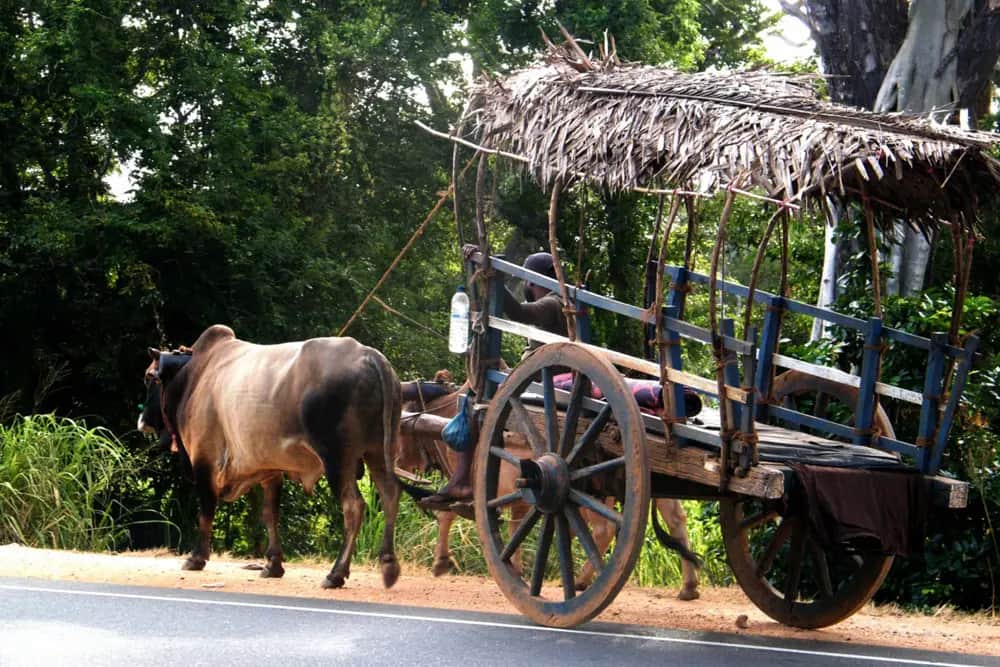
Village tour
A village tour near Habarana is a half-day look at rural life in the dry zone. Ride a bullock cart, cross a lake by canoe and share a home-cooked meal.
Image Credit: ShutterStock
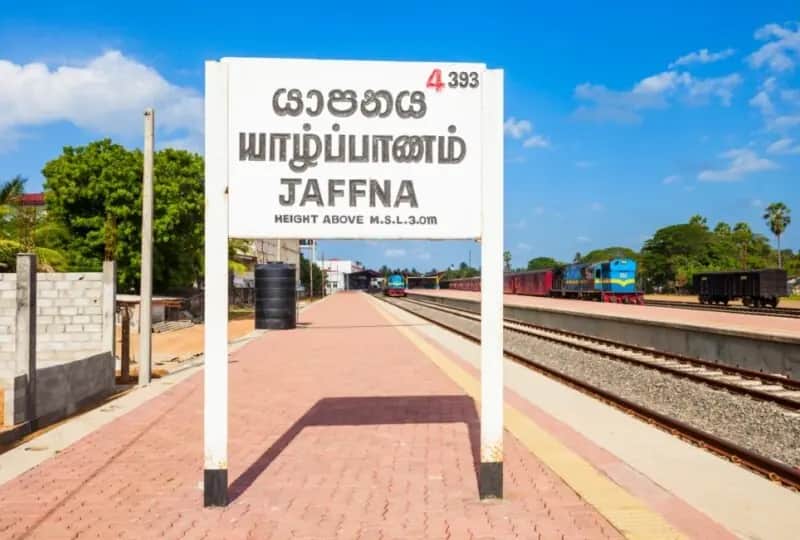
Jaffna City Tour
See the highlights of Jaffna in a day, from the Nallur temple and the Dutch fort to the public library, the market and the islands. A guide explains the Tamil culture, food and history of the north.
Image Credit: ShutterStock

Beruwela Beach
Beruwala, about 1.5 hours from Colombo, has a long sandy beach lined with resort hotels. The sea is calm from about November to April.
Image Credit: ShutterStock

Polonnaruwa Day Tour
Polonnaruwa was Sri Lanka's capital from the 11th to the 13th centuries. A guided day covers its palaces, temples, stupas and the Gal Vihara.
Image Credit: ShutterStock

Kandy City Tour
See the last royal capital in a day, from the Temple of the Tooth and the lake to the Peradeniya gardens, the market and a Kandyan dance show.
Image Credit: ShutterStock

Goyambokka and Pallikaduwa beach
Goyambokka and Pallikaduwa are two small bays just west of Tangalle. They are sheltered and among the best places in the area for swimming in season.
Image Credit: ShutterStock
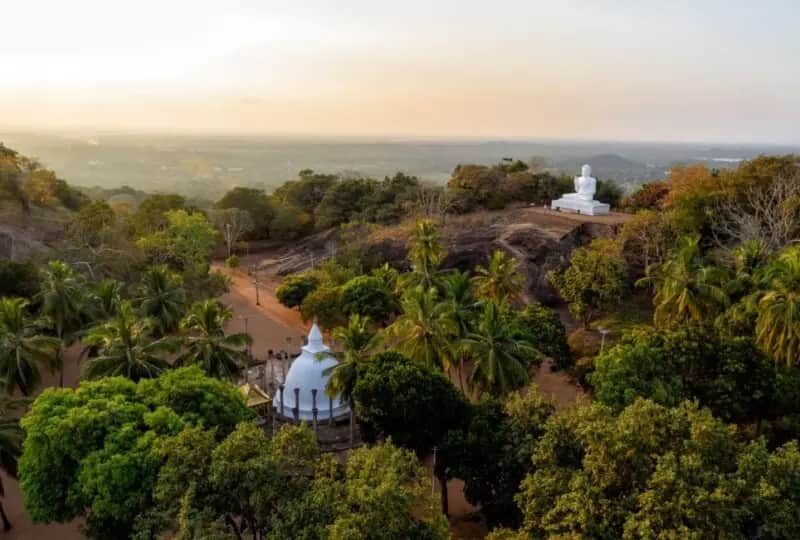
Mihintale
Mihintale, about 12 km east of Anuradhapura, is where Buddhism is said to have come to Sri Lanka. Steps lead up to stupas, caves and a rock summit with wide views.
Image Credit: ShutterStock
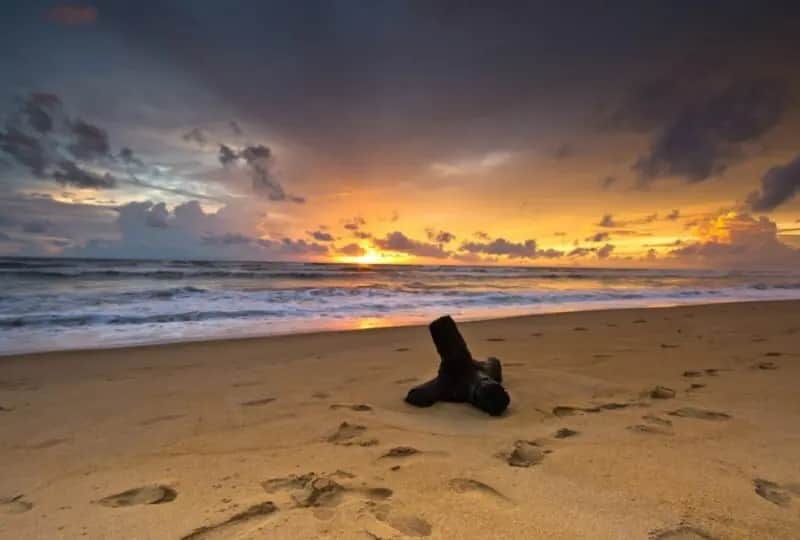
Trincomalee Beaches
Trincomalee is surrounded by long sandy beaches, including Uppuveli and Nilaveli. They are at their best from about April to September, when the south and west coasts have the monsoon.
Image Credit: ShutterStock
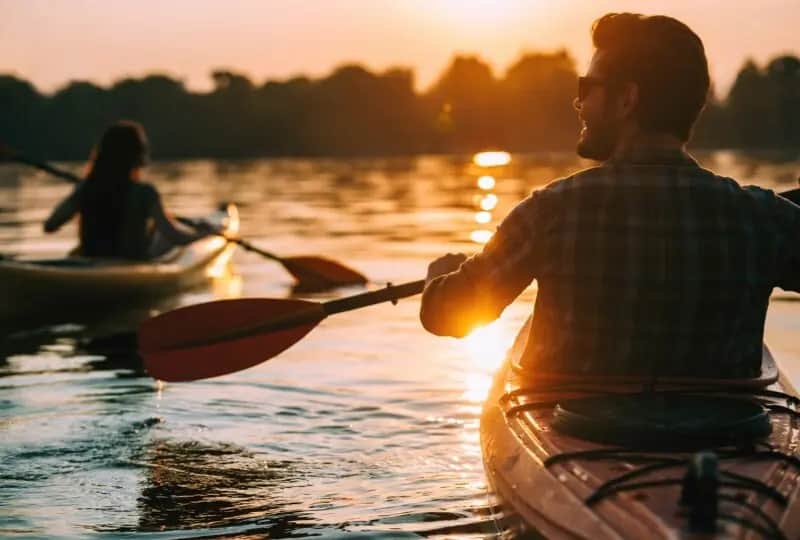
Kayaking in Tangalle Lagoon
Paddle a kayak through the lagoons and mangroves around Tangalle, looking for birds and monitor lizards. Early morning trips are cooler and best for wildlife.
Image Credit: ShutterStock
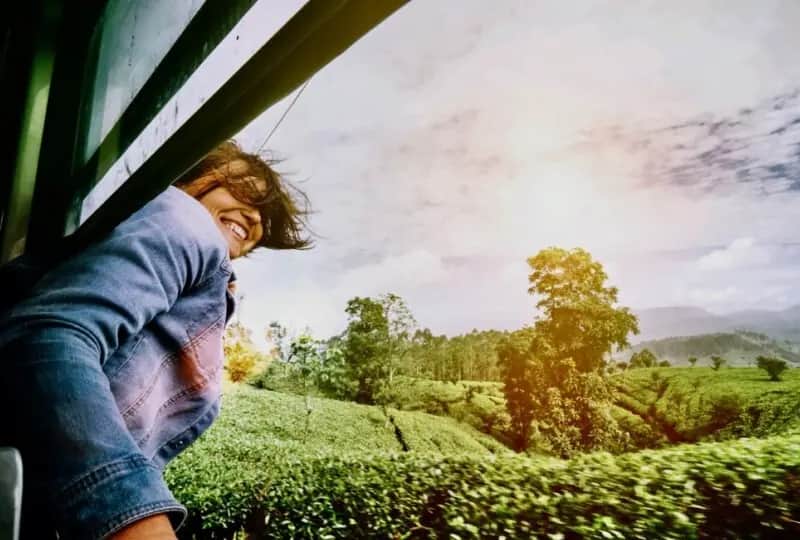
Kandy / Nuwara Eliya - Ella Train Excursions
The hill country railway to Nanu Oya, Ella and Badulla is one of the most scenic train rides in Asia. As of October 2026, trains run between Nanu Oya, Ella and Badulla, but not between Kandy and Nanu Oya.
Image Credit: ShutterStock

Rekawa Lagoon
Rekawa lagoon, just east of Tangalle, is small and wrapped in mangroves. Boat trips here pass birds and fishing villages.
Image Credit: ShutterStock

Madu River Mangrove Safari and Fish spa
Take a boat through the Madu River lagoon near Balapitiya, past mangrove islands, a cinnamon island and a small temple. Many trips stop for a fish spa on the way.
Image Credit: ShutterStock

Adam’s Peak
Adam's Peak, or Sri Pada, is a steep peak of 2,243 metres sacred to Buddhists, Hindus, Muslims and Christians. Pilgrims climb about 5,000 steps by night from December to May to reach the summit for sunrise.
Image Credit: ShutterStock
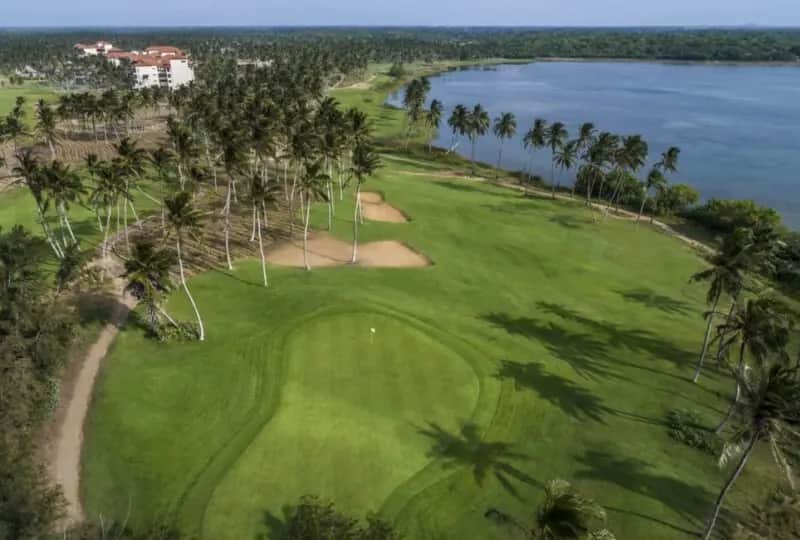
Golf at Shangri-La’s Hambantota
Play the 18-hole course at Shangri-La Hambantota on the south coast. Designed by Rodney Wright, it runs through coconut groves and scrub beside the Indian Ocean.
Image Credit: ShutterStock
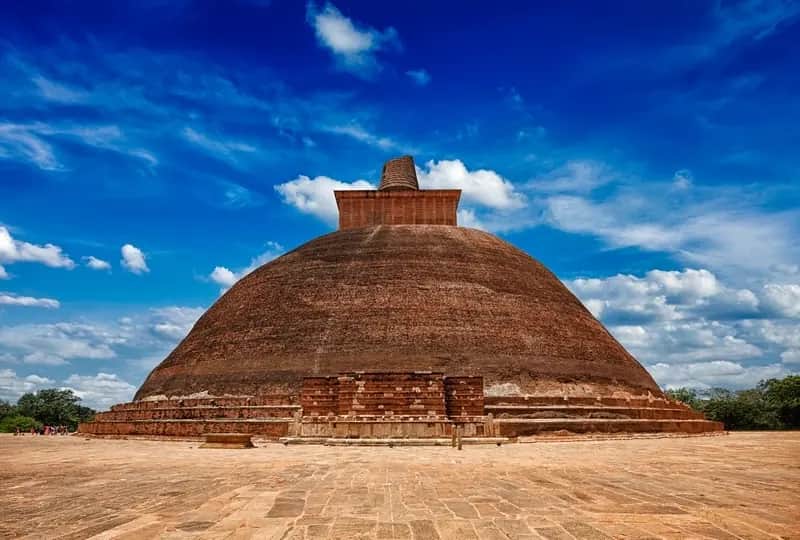
Jetavanaramaya Stupa
Jetavanaramaya is a huge brick stupa in Anuradhapura, begun by King Mahasena in the 3rd century AD. It was once among the tallest structures in the ancient world.
Image Credit: ShutterStock
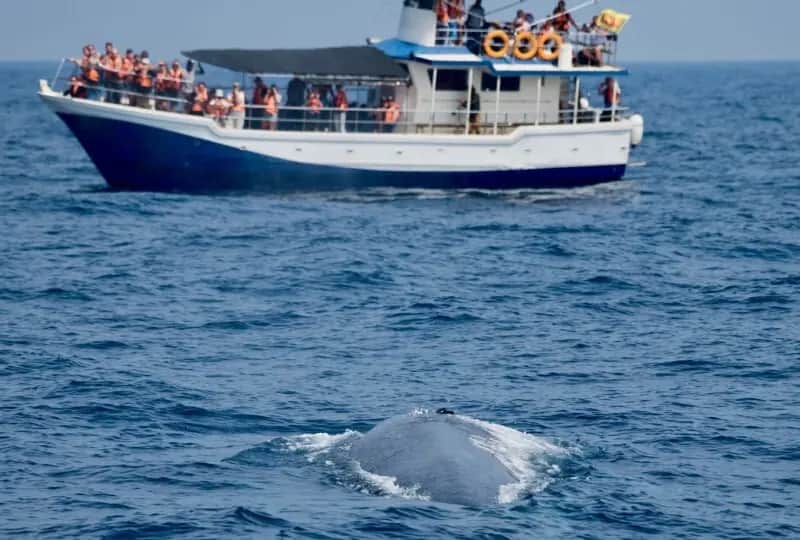
Whale & Dolphin watching in Mirissa
Mirissa is the main base for whale watching in Sri Lanka. From about November to April, boats look for blue whales, sperm whales and dolphins in the deep water offshore.
Image Credit: ShutterStock