
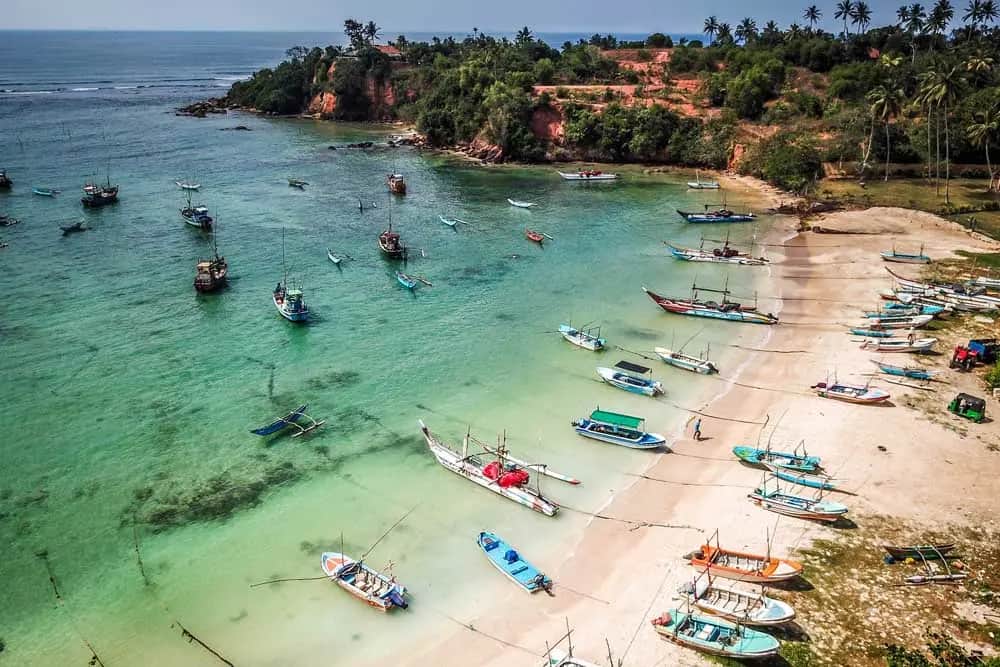
Best Things to Do in Sri Lanka
From Sri Lanka's beaches and historic sites to hill country, diving, snorkelling, wildlife, whale watching and trekking, Bubble Sri Lanka Holidays helps you choose the best things to do. Use these pages as a guide, from nature walks and safaris to time in the cities.
All Destinations
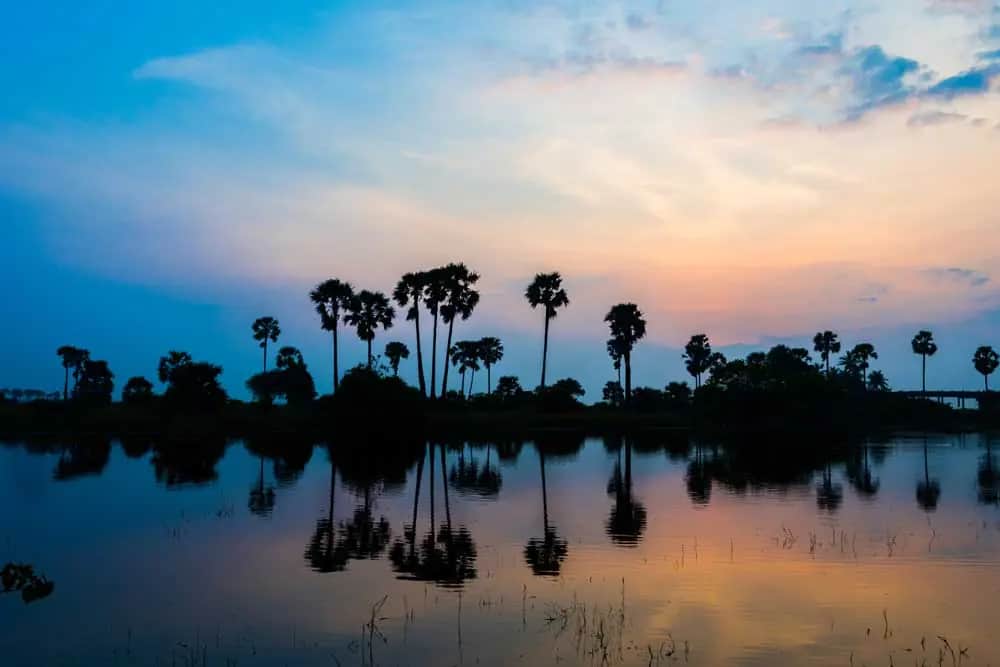
Things to do in Jaffna
Image Credit: ShutterStock

Things to do in Colombo
Image Credit: ShutterStock
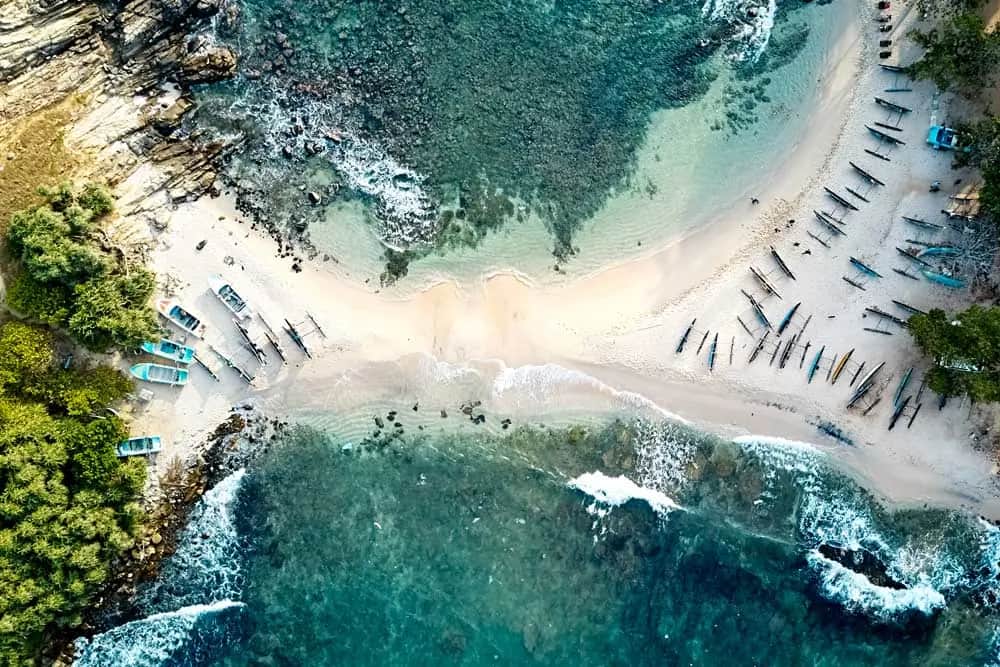
Things to do in Dickwella
Image Credit: ShutterStock
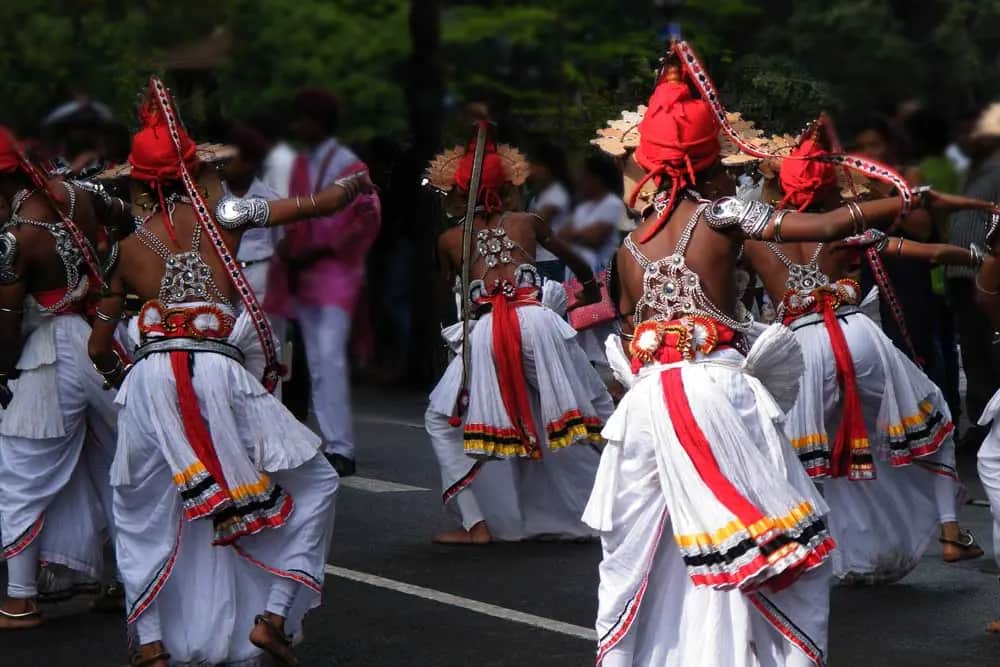
Things to do in Kandy
Image Credit: ShutterStock
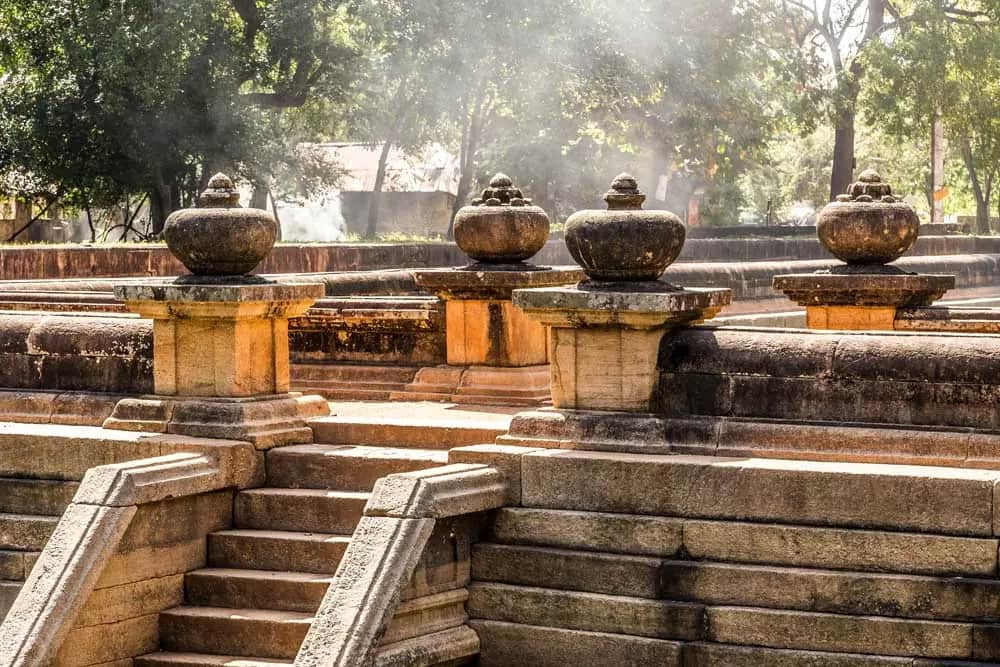
Things to do in Cultural Triangle
Image Credit: ShutterStock
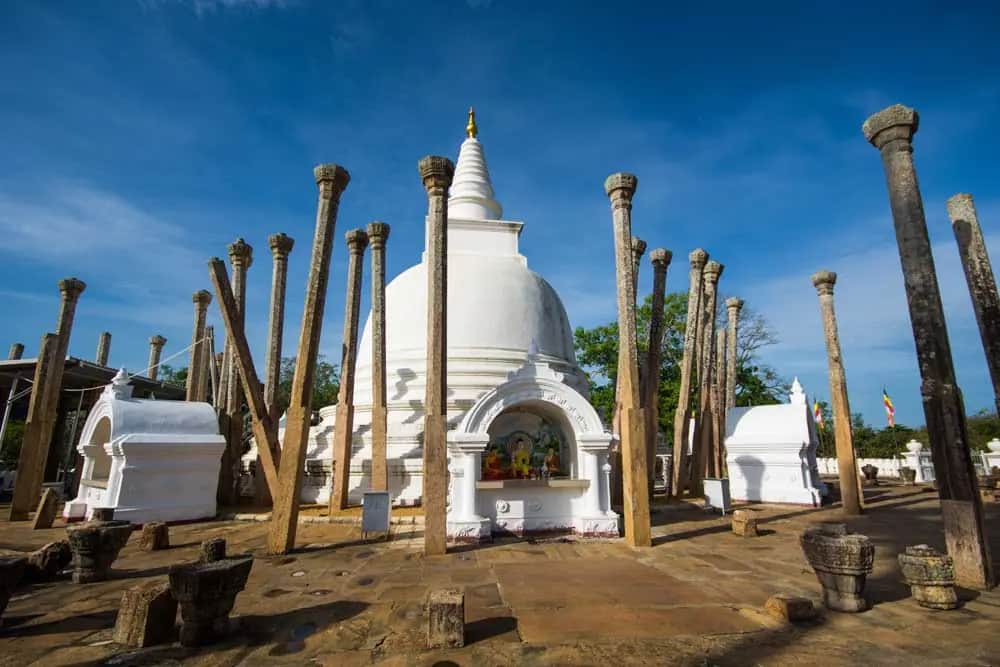
Things to do in Anuradhapura
Image Credit: ShutterStock
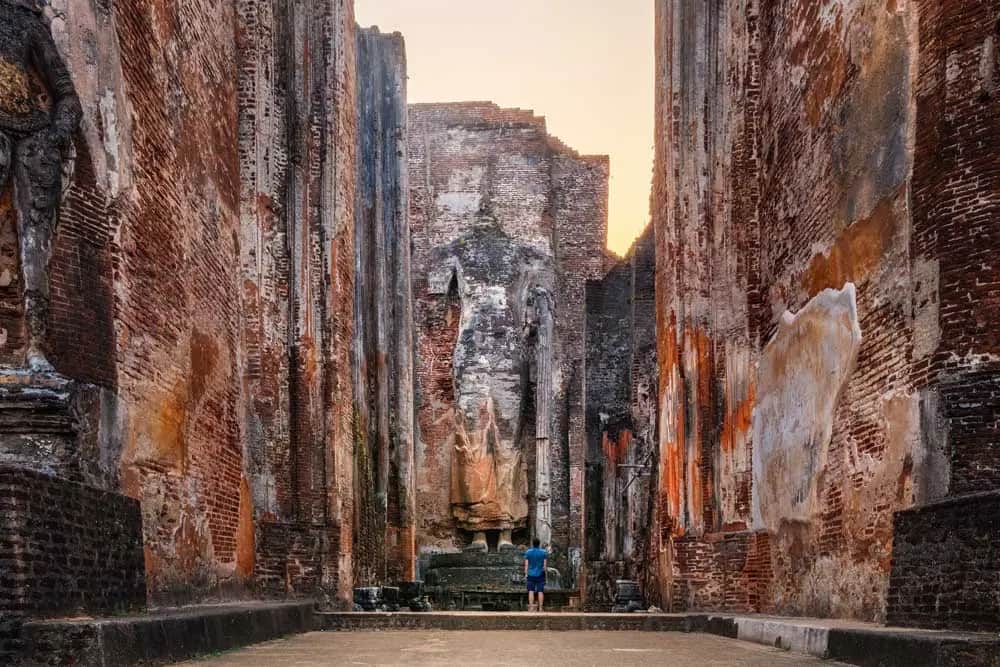
Things to do in Polonnaruwa
Image Credit: ShutterStock
Things to do in Habarana
Image Credit: ShutterStock
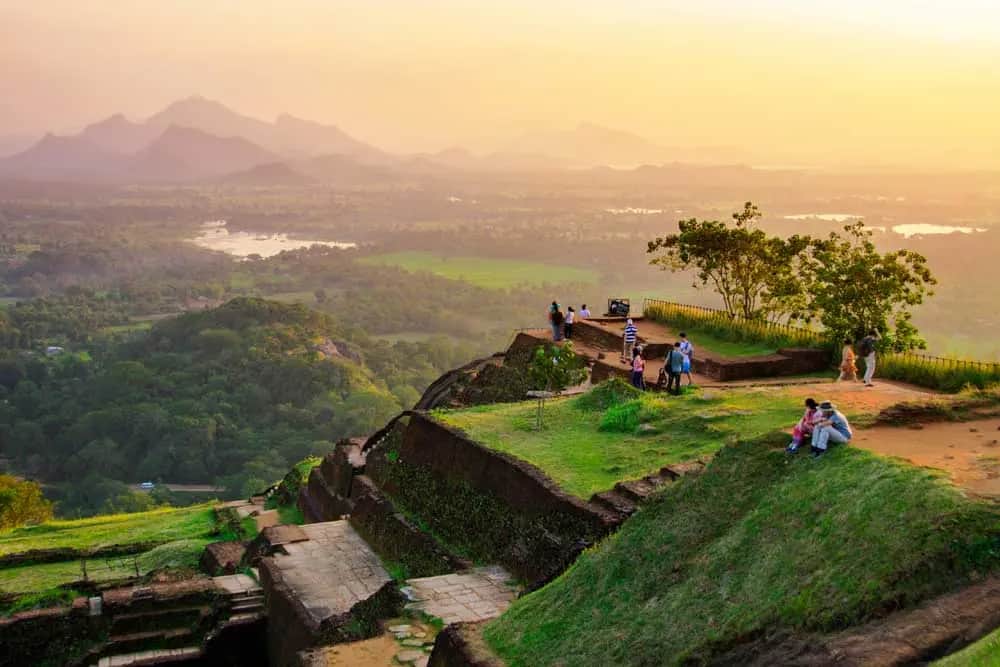
Things to do in Sigiriya
Image Credit: ShutterStock
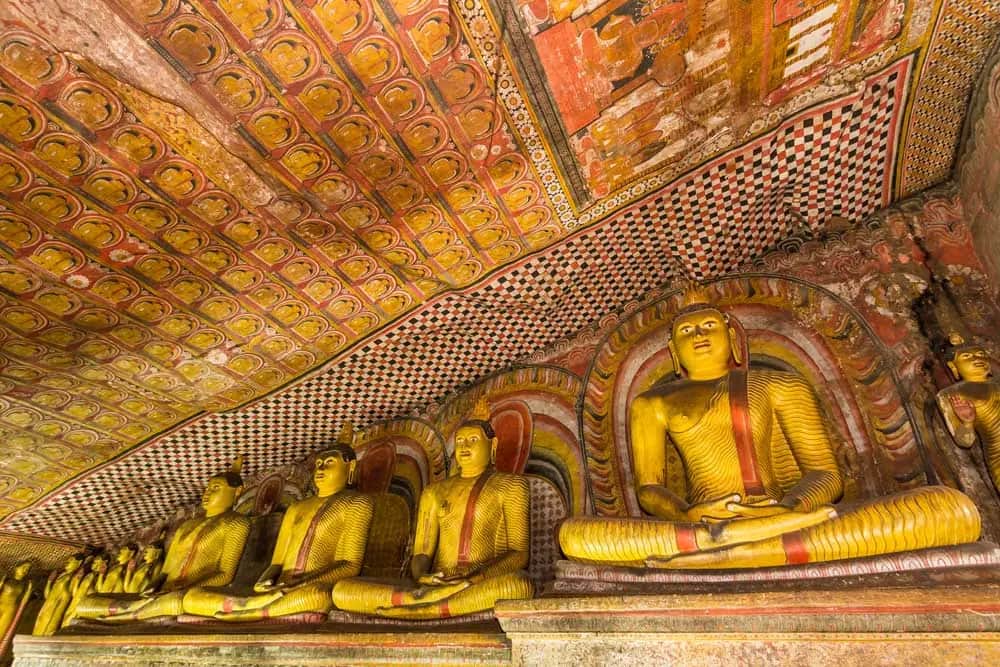
Things to do in Dambulla
Image Credit: ShutterStock
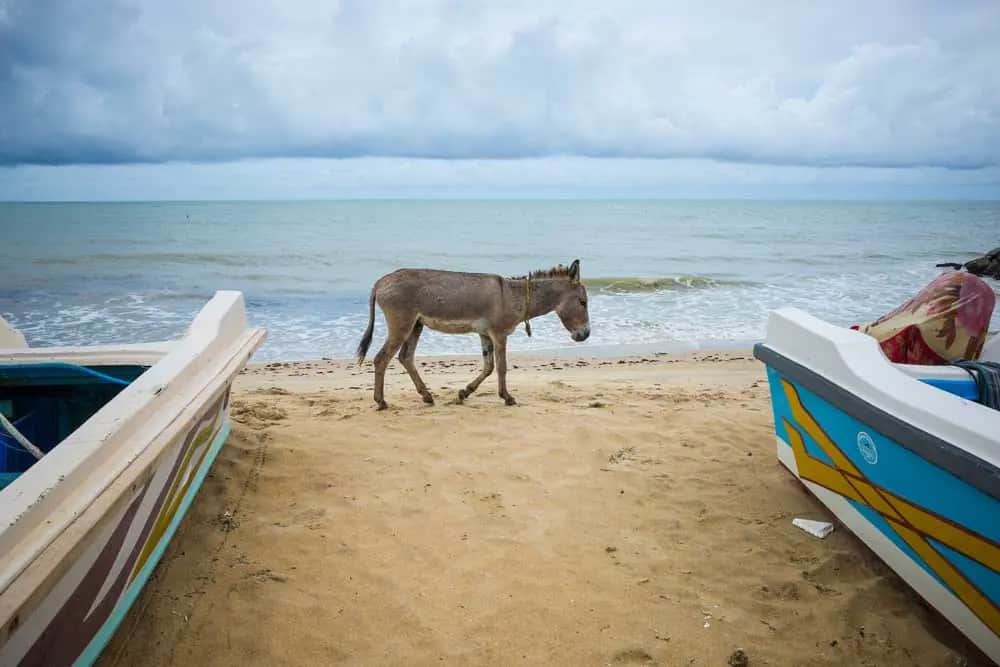
Things to do in North West Beach
Image Credit: ShutterStock
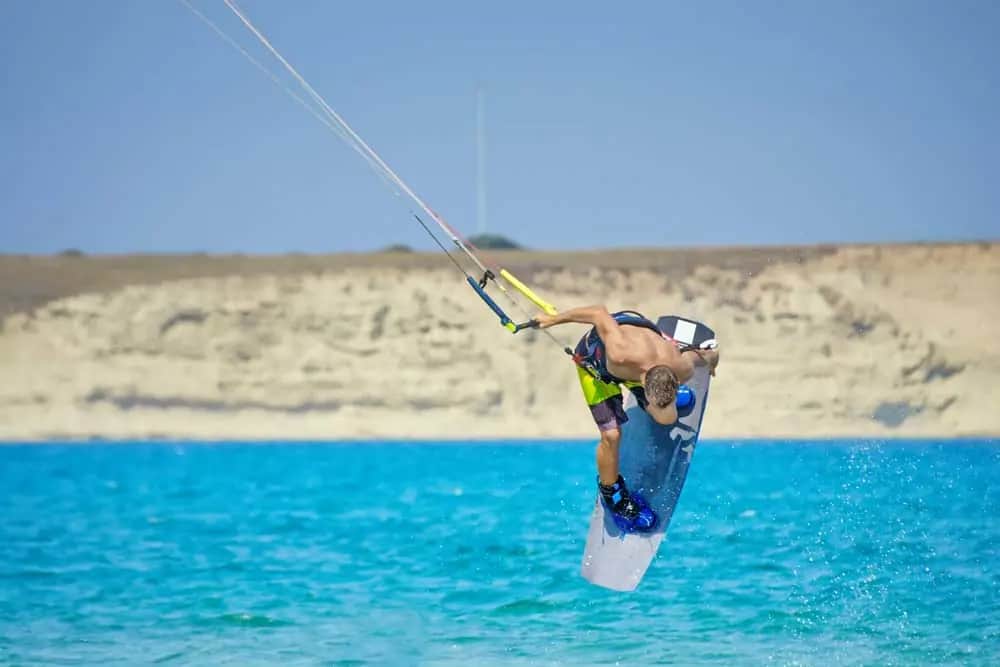
Things to do in Kalpitiya
Image Credit: ShutterStock
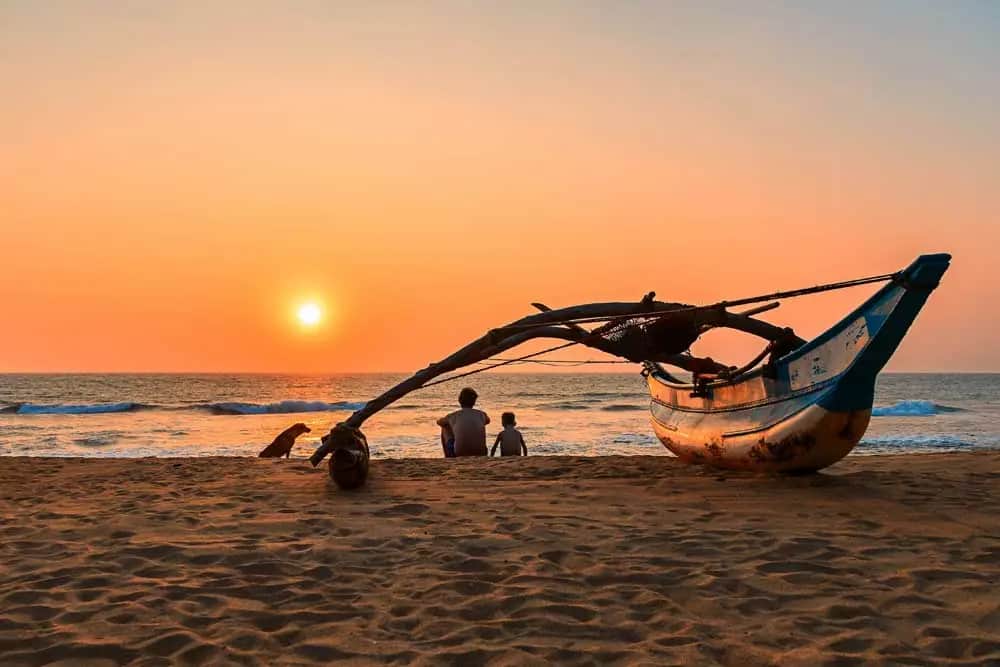
Things to do in South West Beach
Image Credit: ShutterStock
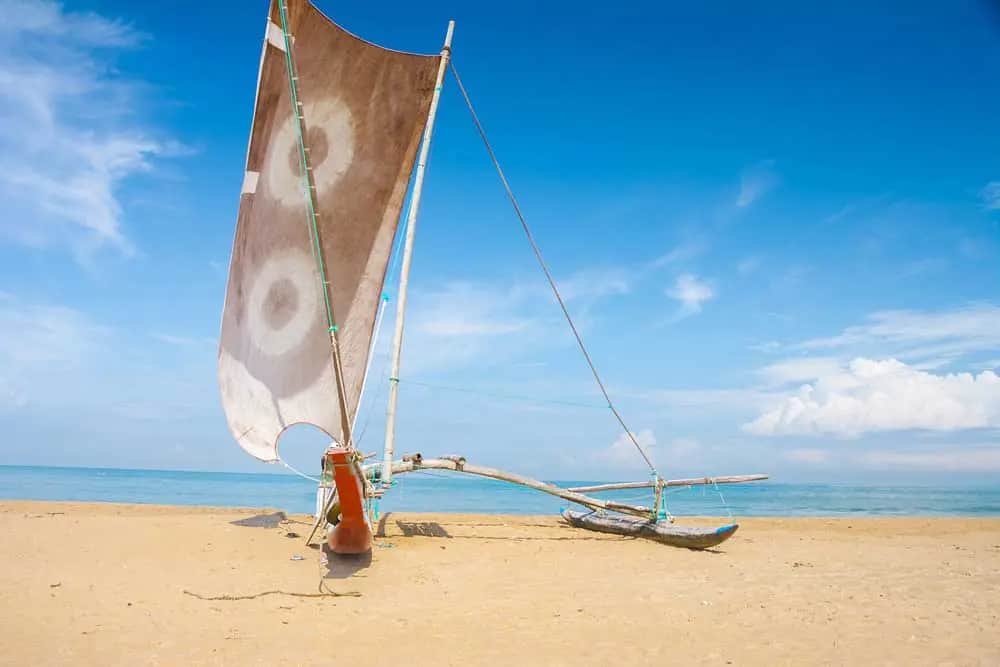
Things to do in Negombo
Image Credit: ShutterStock

Things to do in Wadduwa
Image Credit: ShutterStock
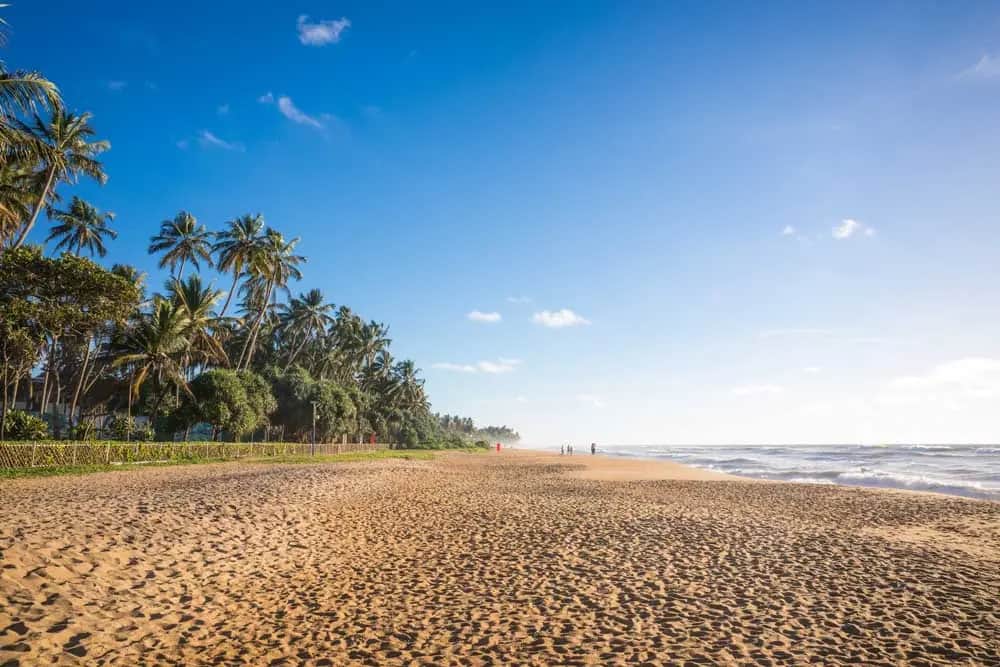
Things to do in Kalutara
Image Credit: ShutterStock
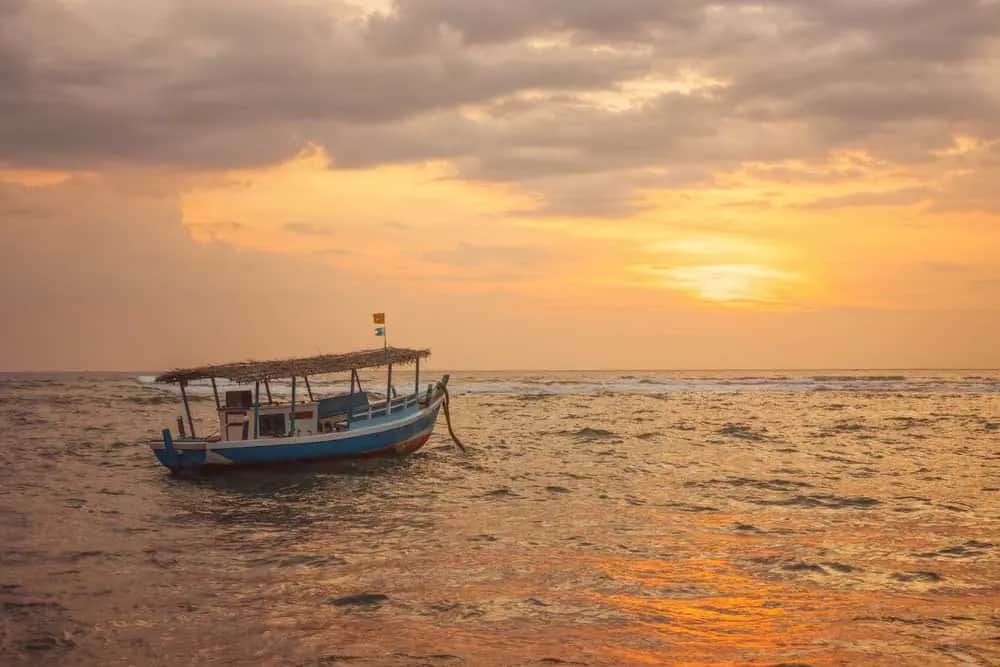
Things to do in Beruwela
Image Credit: ShutterStock
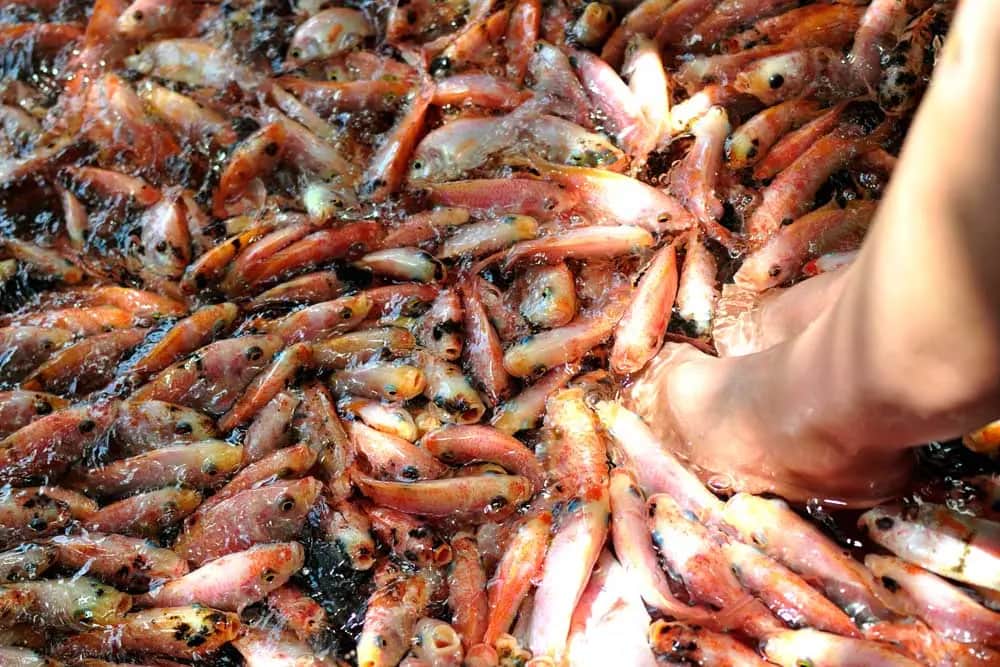
Things to do in Bentota
Image Credit: ShutterStock
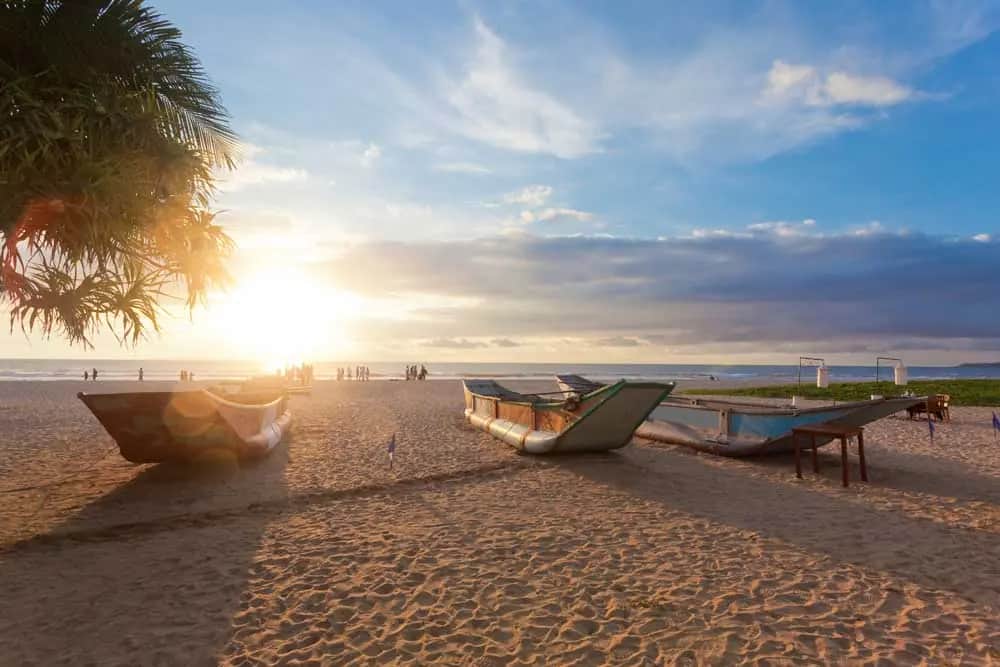
Things to do in Ahungalle
Image Credit: ShutterStock
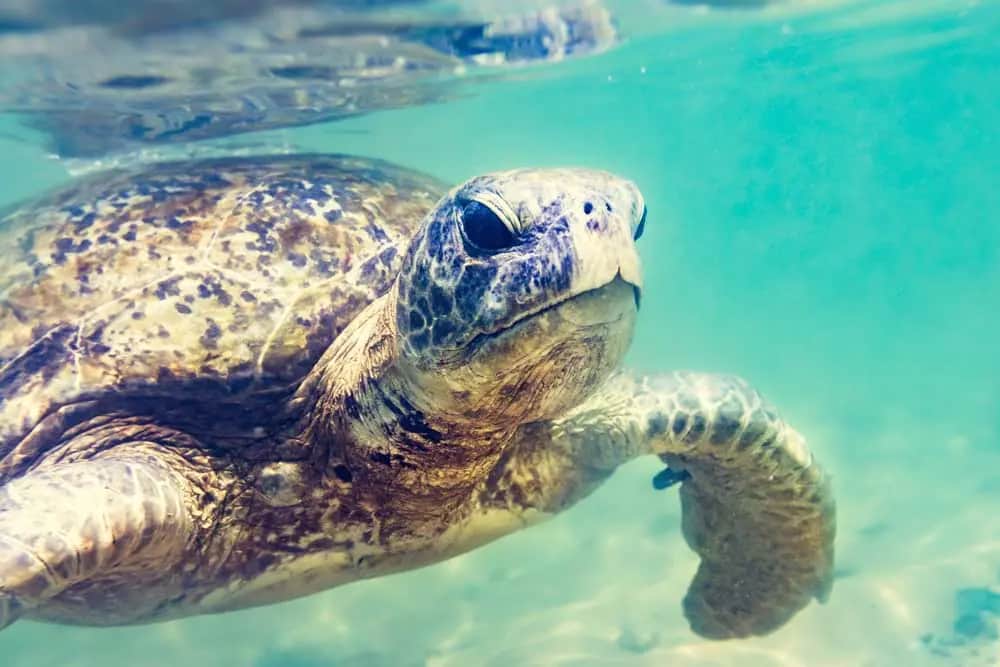
Things to do in Hikkaduwa
Image Credit: ShutterStock
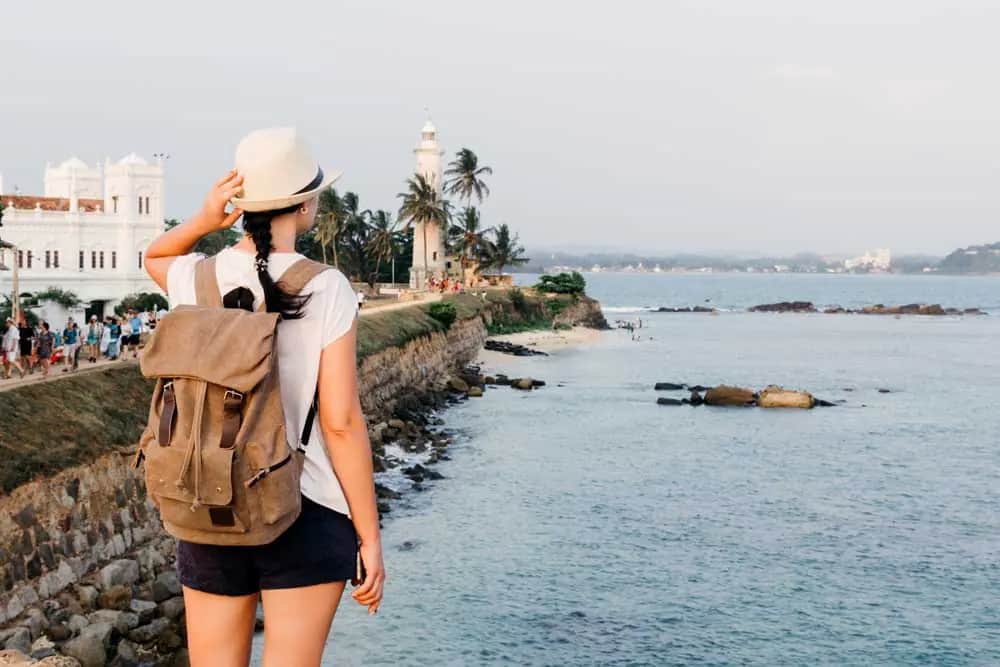
Things to do in the South Coast
Image Credit: ShutterStock

Things to do in Galle
Image Credit: ShutterStock

Things to do in Unawatuna
Image Credit: ShutterStock
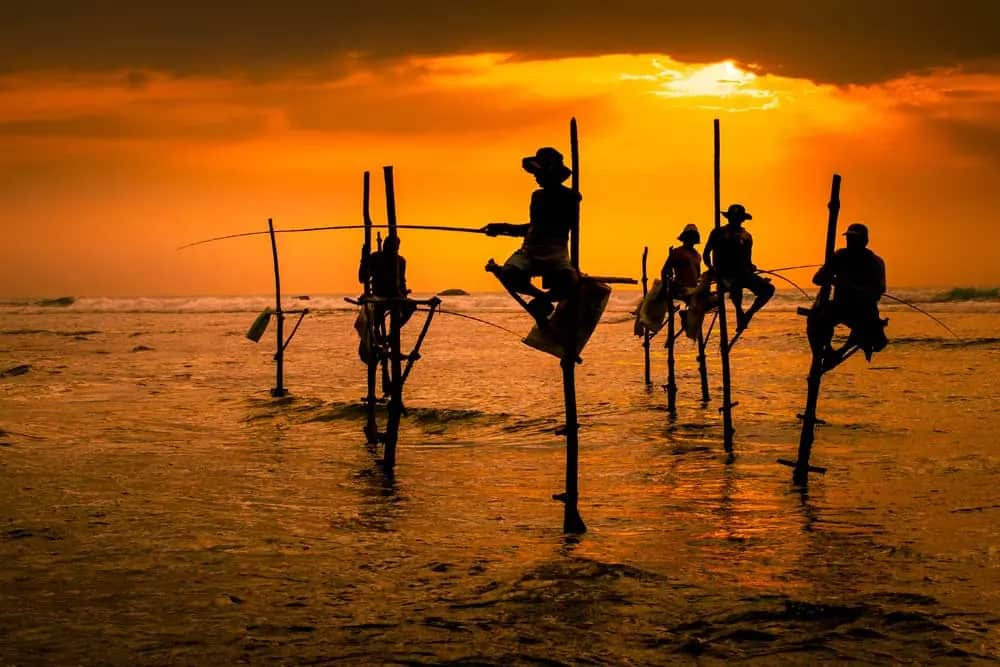
Things to do in Koggala
Image Credit: ShutterStock
Things to do in Weligama
Image Credit: ShutterStock
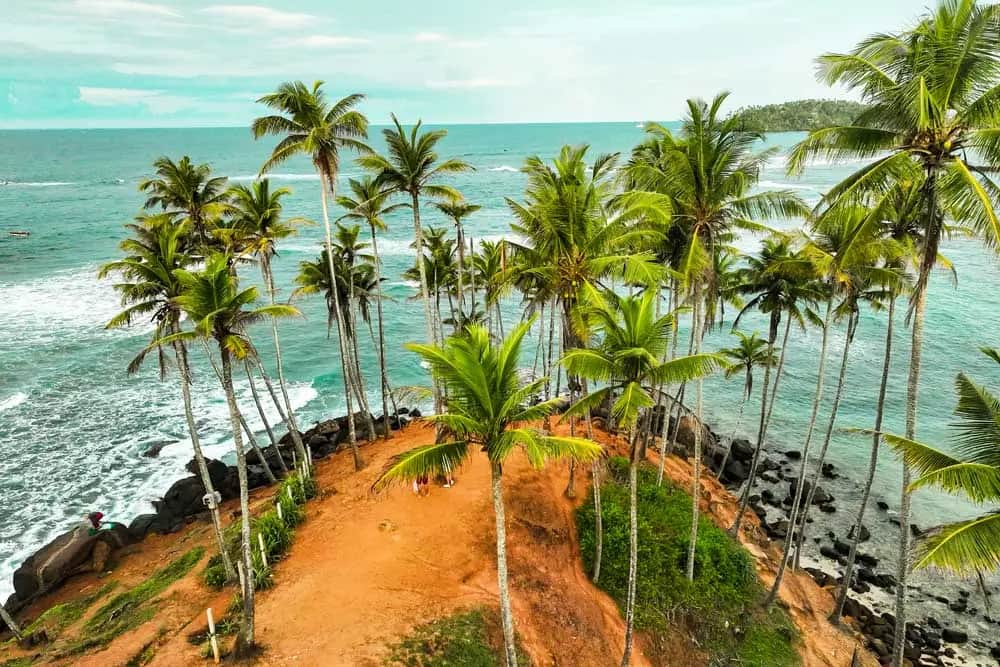
Things to do in Mirissa
Image Credit: ShutterStock
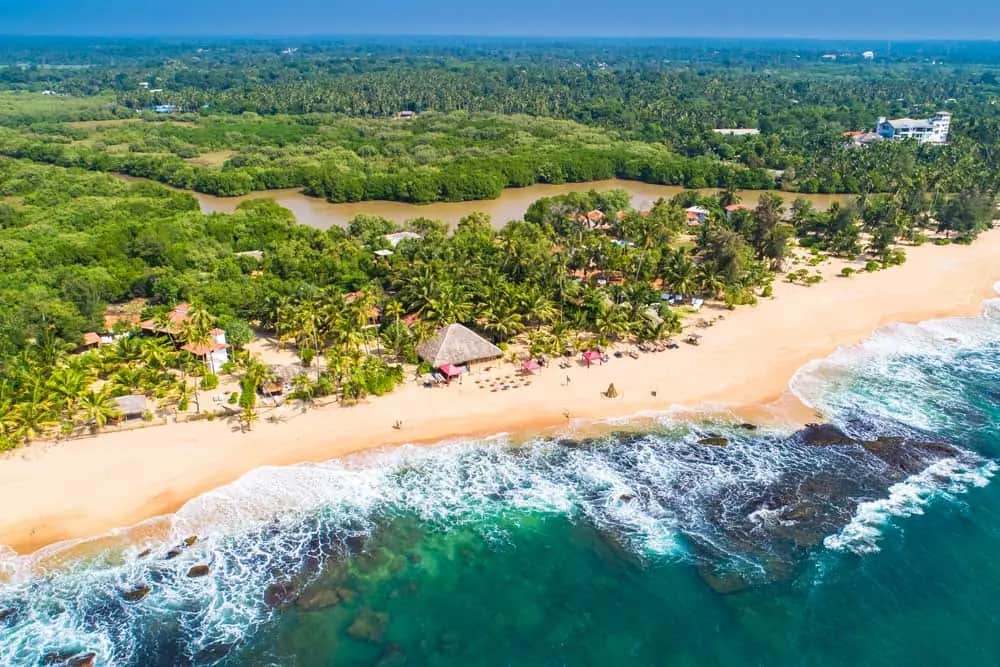
Things to do in Tangalle
Image Credit: ShutterStock
Things to do in East Coast
Image Credit: ShutterStock
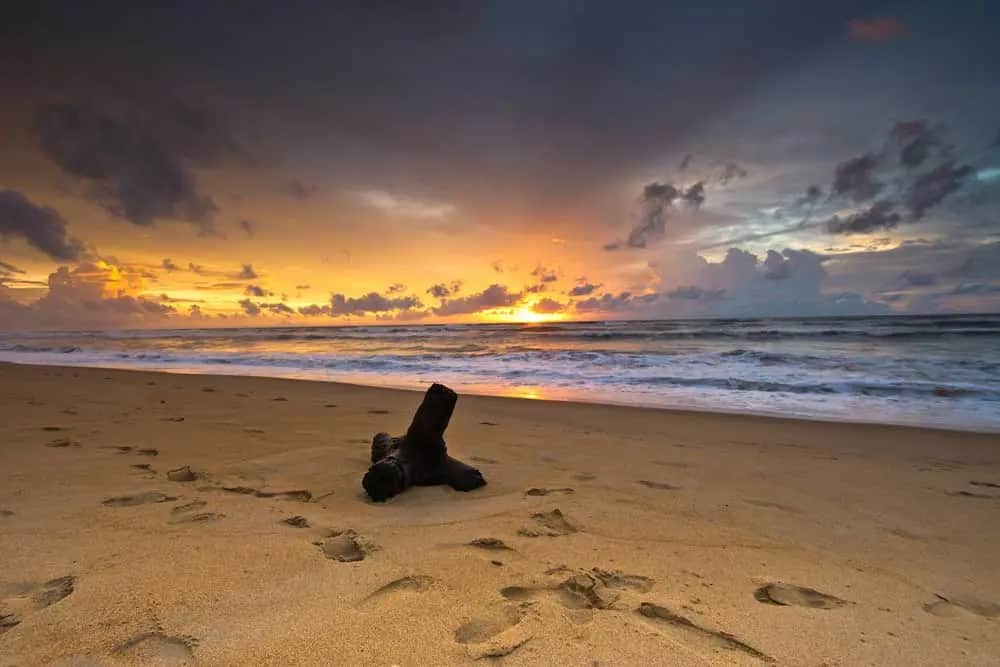
Things to do in Trincomalee
Image Credit: ShutterStock
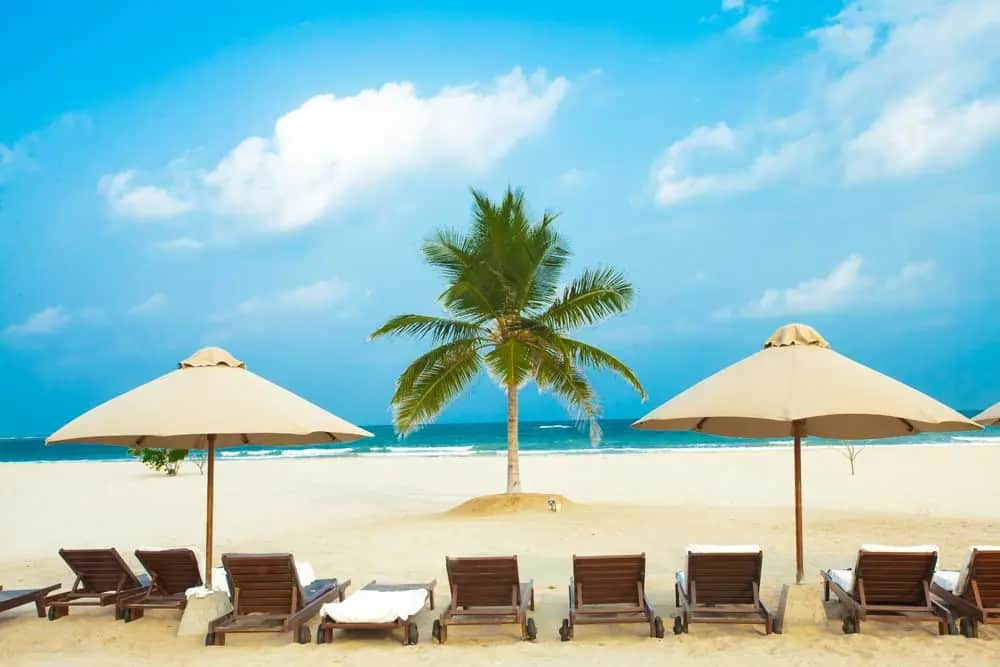
Things to do in Pasikuda
Image Credit: ShutterStock
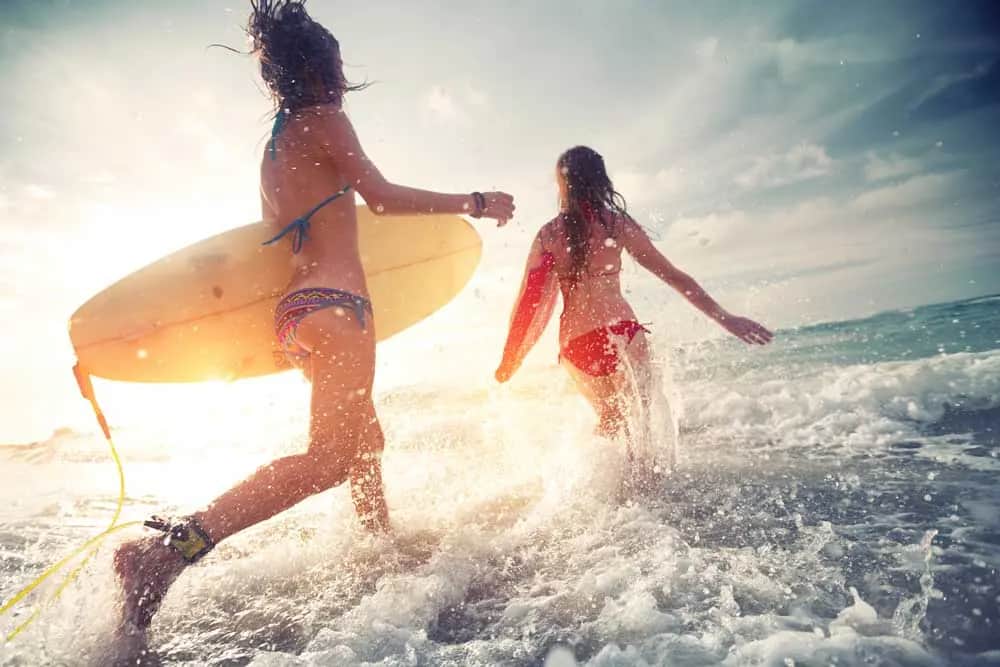
Things to do in Arugam Bay
Image Credit: ShutterStock

Things to do in Hill Country
Image Credit: ShutterStock

Things to do in Knuckles Range
Image Credit: ShutterStock

Things to do in Nuwara Eliya
Image Credit: ShutterStock
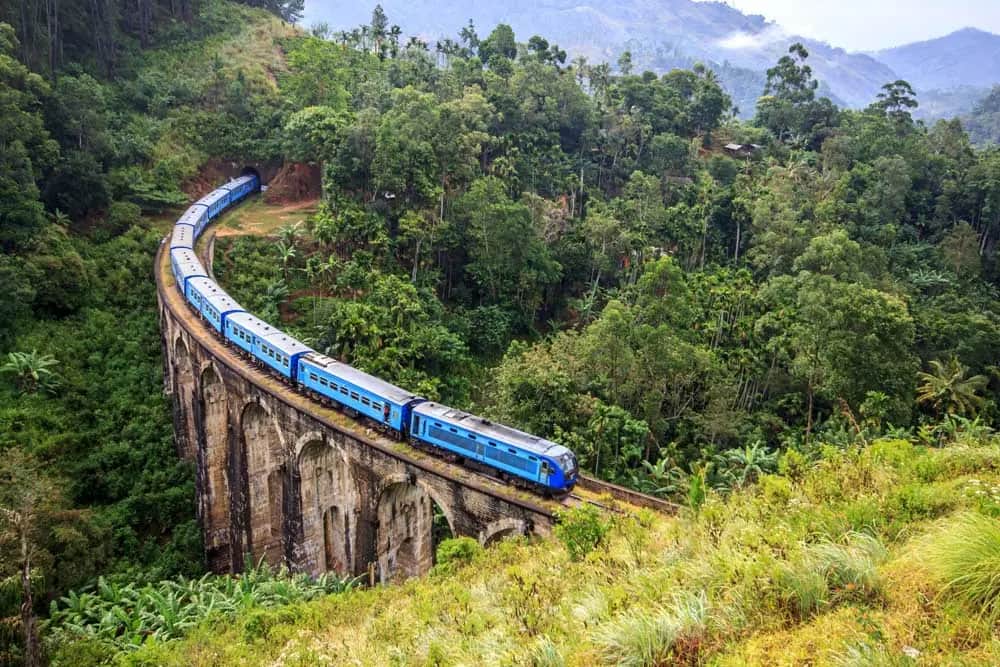
Things to do in Ella
Image Credit: ShutterStock
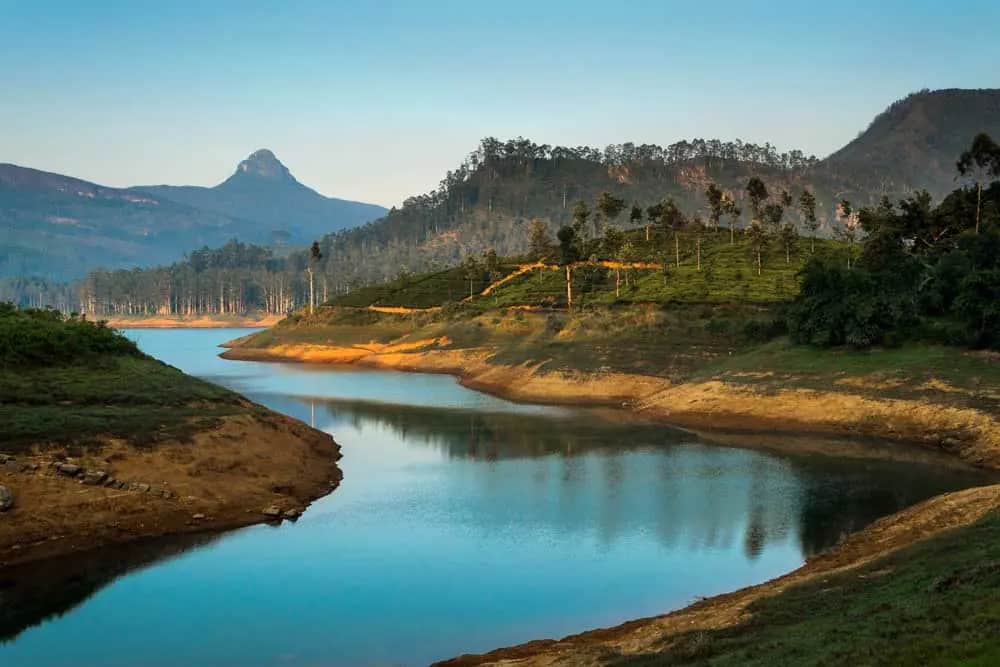
Things to do in Hatton
Image Credit: ShutterStock

Things to do in Jaffna and the North
Image Credit: ShutterStock
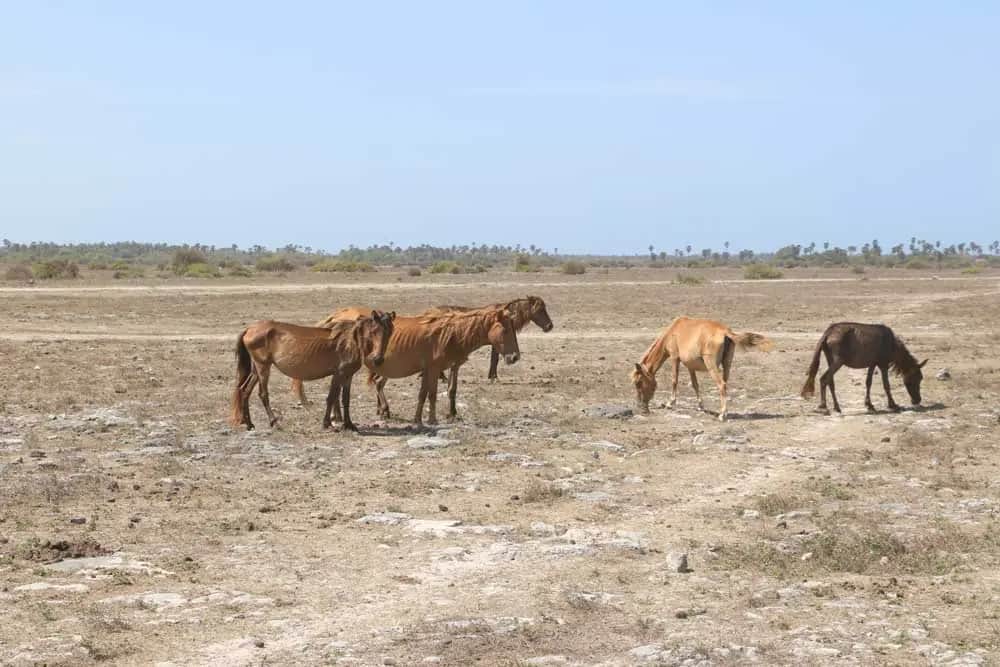
Things to do in Delft Island
Image Credit: ShutterStock
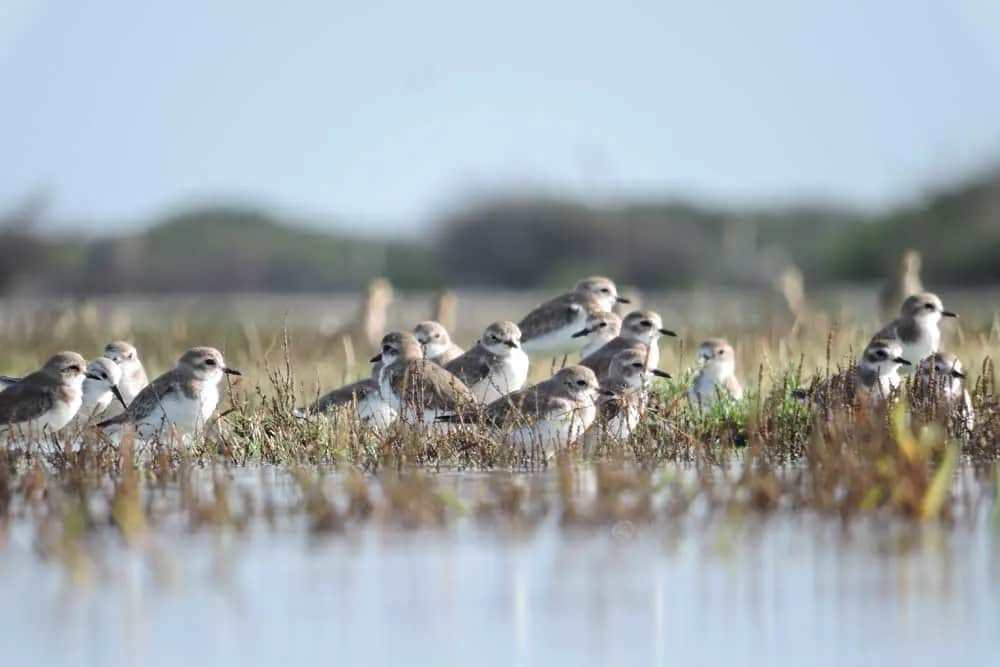
Things to do in Mannar
Image Credit: ShutterStock

Things to do in Wildlife Parks and Nature Reserves
Image Credit: ShutterStock
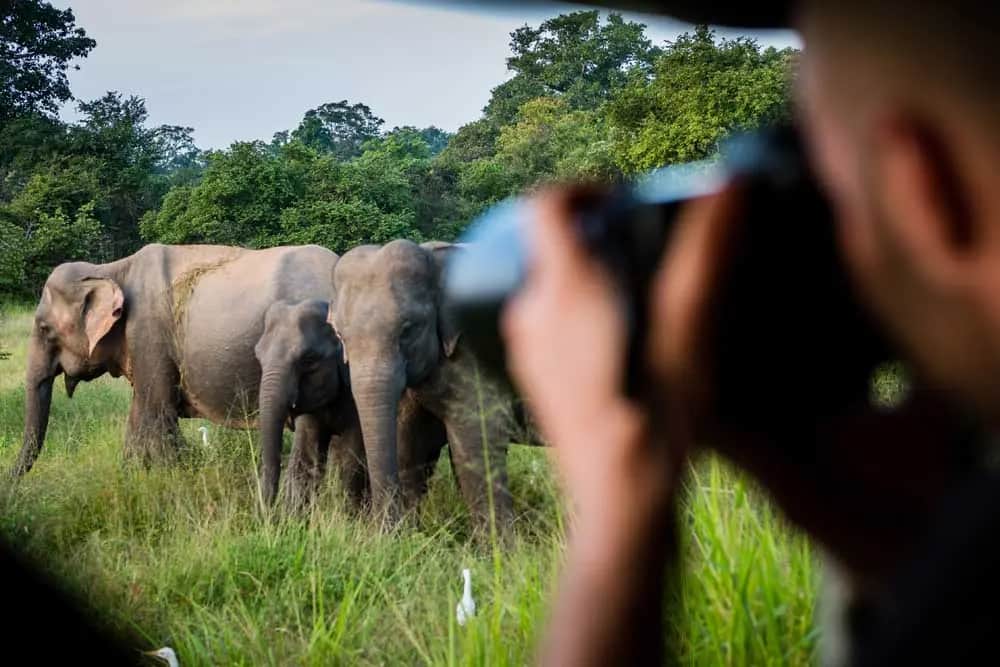
Things to do in Yala
Image Credit: ShutterStock
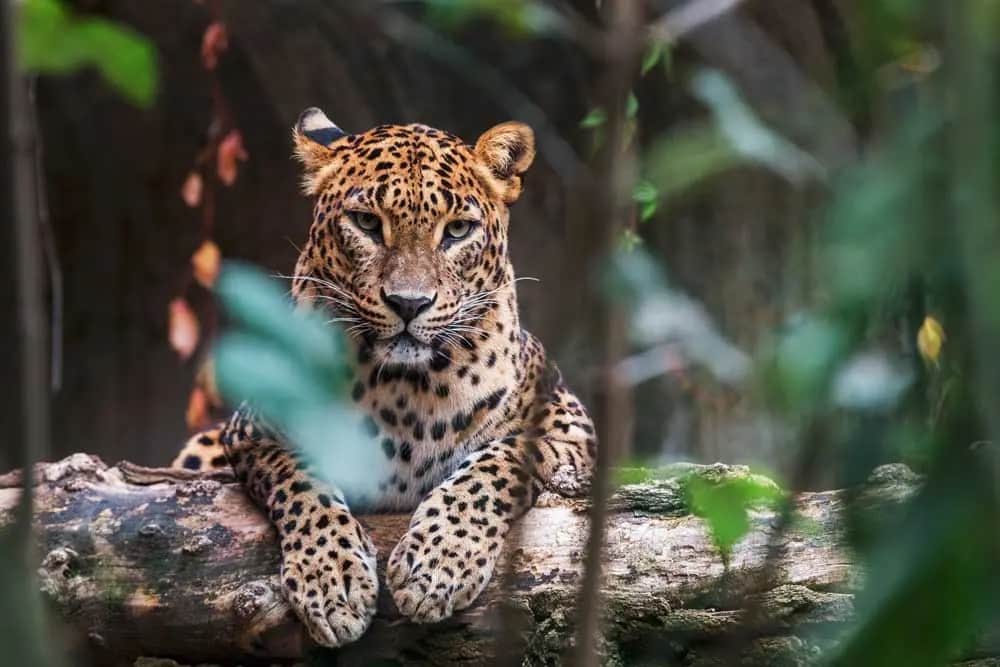
Things to do in Wilpattu
Image Credit: ShutterStock
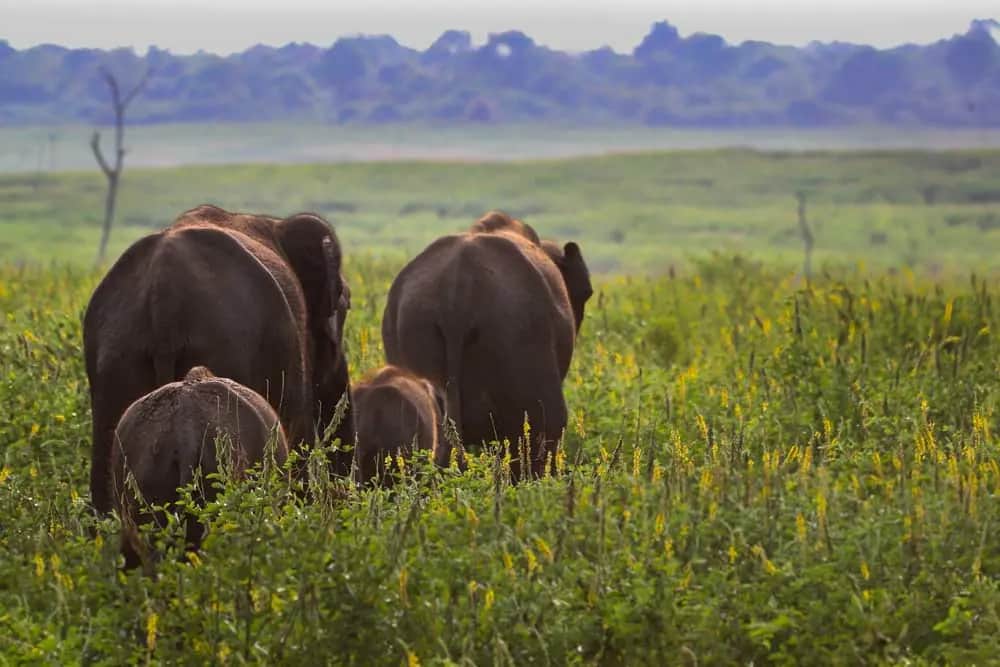
Things to do in Udawalawe
Image Credit: ShutterStock

Things to do in Minneriya
Image Credit: ShutterStock

Things to do in Bundala
Image Credit: ShutterStock

Things to do in Kumana
Image Credit: ShutterStock
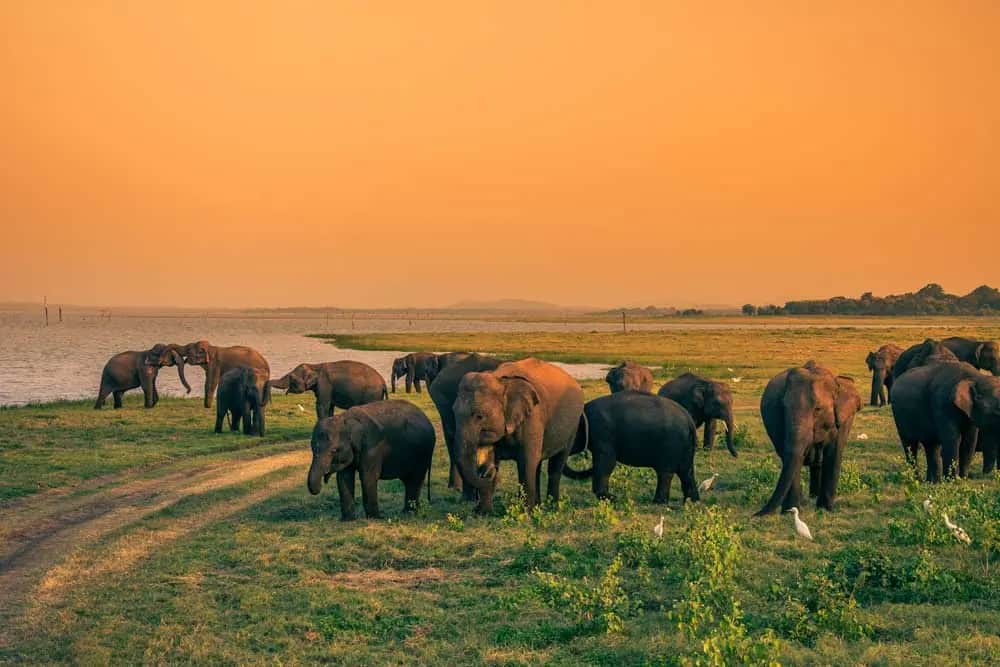
Things to do in Kaudulla
Image Credit: ShutterStock
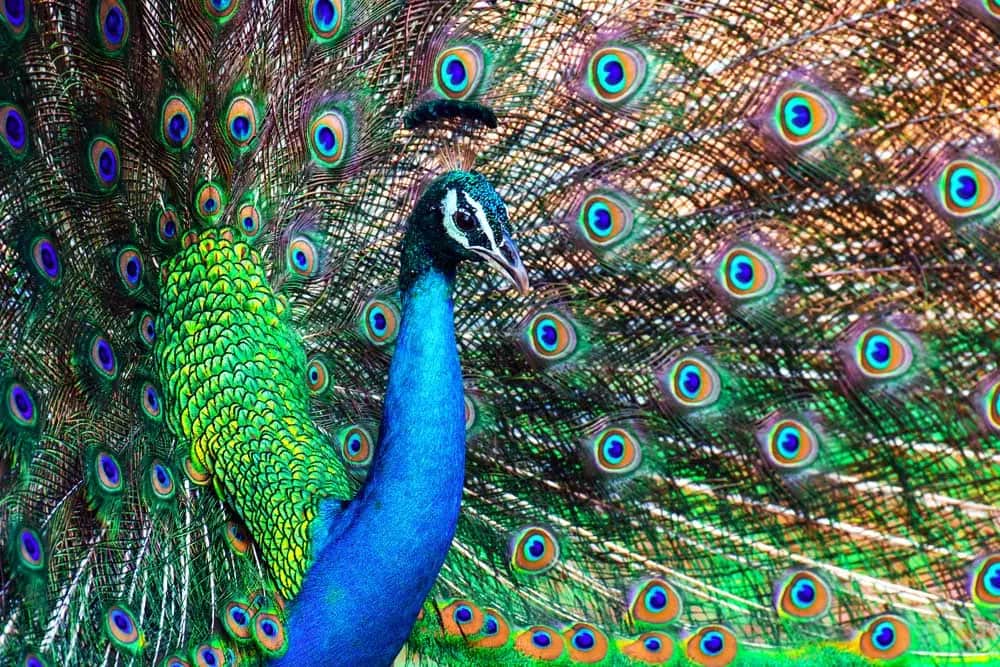
Things to do in Wasgamuwa
Image Credit: ShutterStock
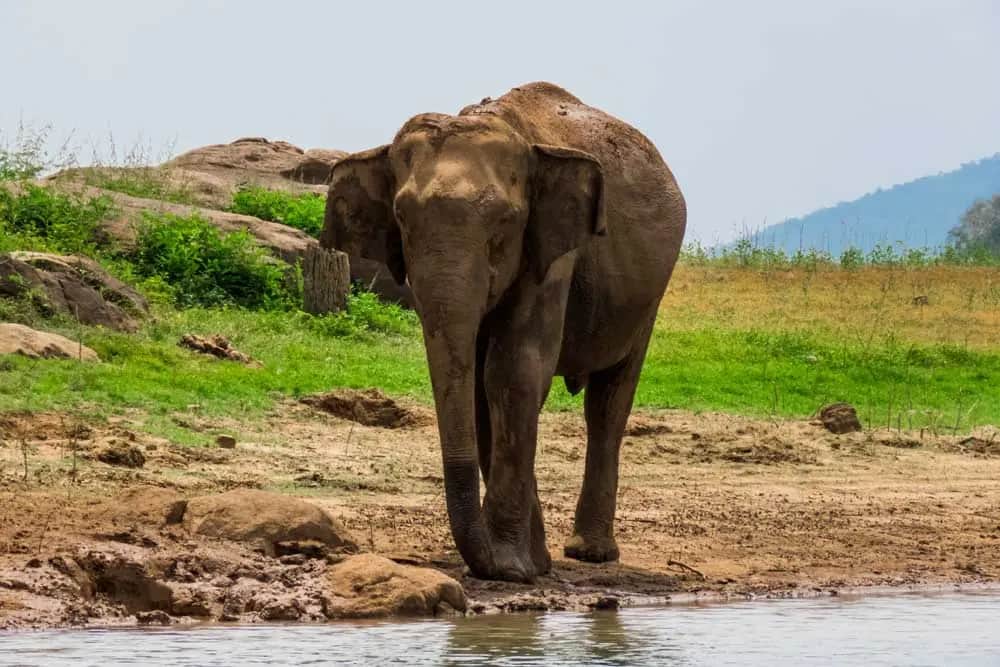
Things to do in Gal Oya
Image Credit: ShutterStock
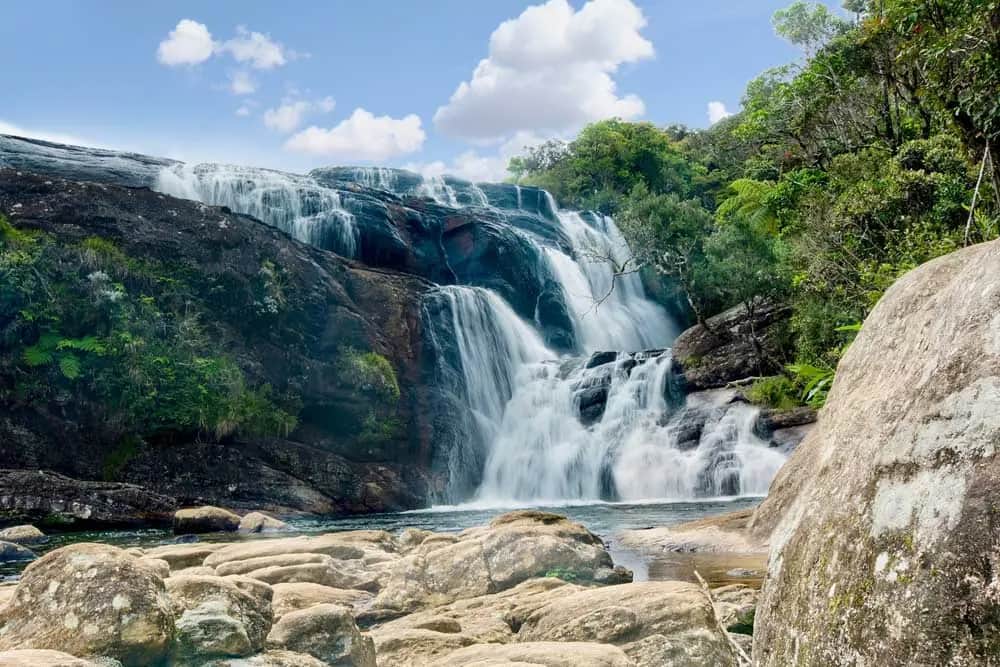
Things to do in Horton Plains
Image Credit: ShutterStock

Things to do in Singharaja
Image Credit: ShutterStock

Things to do in Kitulgala Forest Reserve
Image Credit: ShutterStock
All Activities
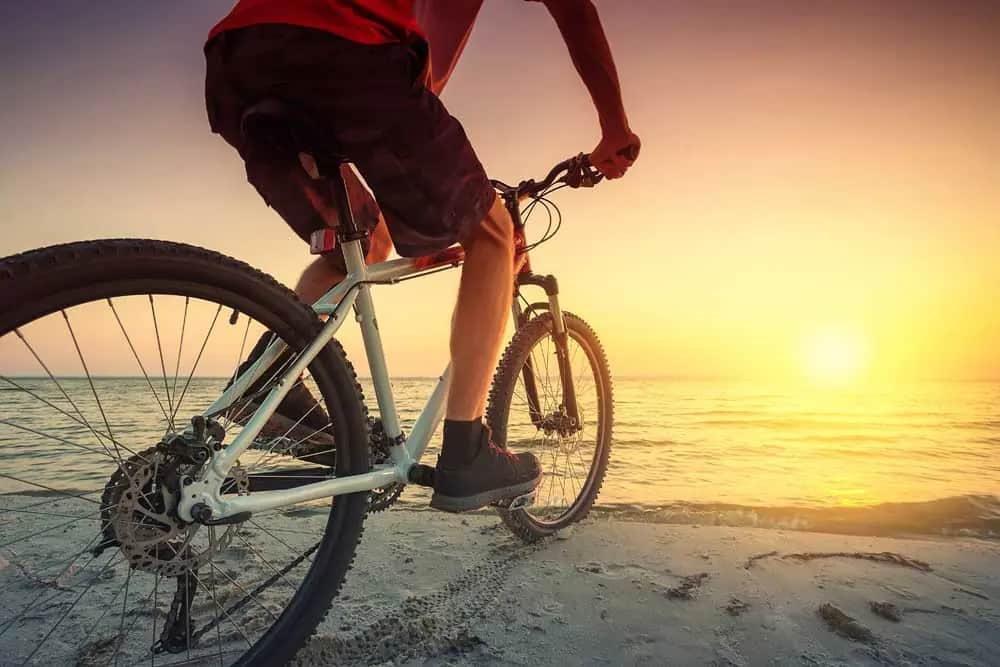
Cycling
Once you leave the busy main roads behind, Sri Lanka is a beautiful country to ride, with village lanes, paddy fields, tea-covered hills and long coastal roads. Cultural Triangle Anuradhapura and Polonnaruwa are best explored by bicycle, riding between temples, dagobas and monasteries. Around Sigiriya, Dambulla and Habarana, quiet roads pass farmland and villages, and routes along Kandalama and Habarana lakes are good for spotting water birds. Hill country Riding in the highlands means climbing, but the scenery of tea estates, valleys and waterfalls rewards the effort. Kandy is the usual starting point, with routes towards the Hanthana range and on to Nuwara Eliya. For fit riders, the road from Ella towards Ravana Falls is steep but less busy. Coast Coastal routes include the south coast towards Koggala, the north-east from Trincomalee to Mullaitivu, and the west from Negombo to Puttalam past the lagoon. Riding in Colombo at night, after the rush hour, is another option. A guided bike tour of the southern coast and hills handles routes and support. Tips Start early to avoid the heat, carry plenty of water, and take care on main roads, where buses drive fast. Riding through national parks such as Yala or Wilpattu needs permission from the wildlife authorities and is not generally advised for independent cyclists. Choosing a route Beginners will be happiest in the flat Cultural Triangle, where distances between sites are short and roads quiet. The hill country suits fit riders with good brakes and patience for long climbs. Coastal routes are flat but hot, and the main coast road carries a lot of traffic. Bikes and support Basic bicycles can be rented in most tourist towns, especially in Polonnaruwa and Anuradhapura. For longer trips, a guided tour with a support vehicle is the easiest option, as it carries luggage and water and can take you past the busiest stretches of road.
ExploreImage Credit: ShutterStock
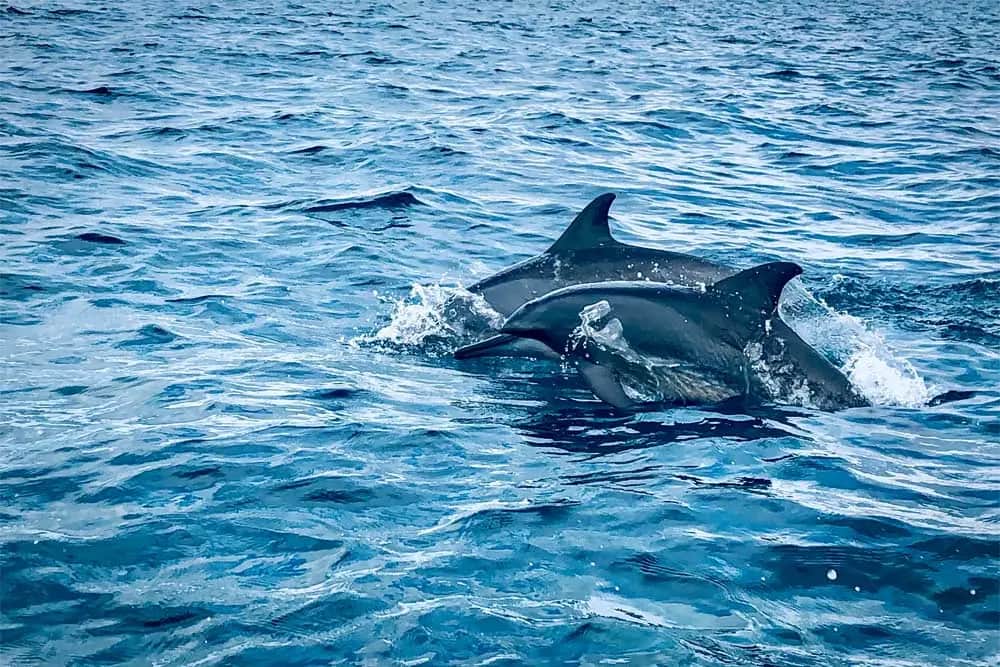
Whale and Dolphin Watching
Sri Lanka is one of the best places in the world to see blue whales, and large pods of spinner dolphins are common. Boats go out from the south, east and north-west coasts, each with its own season. Mirissa Boats leave Mirissa harbour from about December to April for the waters off Dondra Point, close to a migration route for blue whales. Spinner dolphins are often seen too. See whale and dolphin watching in Mirissa or the Mirissa whale watching tour. Trincomalee On the east coast the season runs from about May to October, when the sea is calm. Blue whales and sperm whales are seen in deep water a short boat ride from the coast, along with spinner, bottlenose and Fraser's dolphins. See whale and dolphin watching in Trincomalee. Kalpitiya The continental shelf comes close to shore off Kalpitiya, so large pods of spinner dolphins can be found without a long trip, and whales are sometimes seen. Trips usually leave from Alankuda Beach, from about November to April. See whale and dolphin watching in Kalpitiya. Tips Trips start early in the morning, when the sea is calmest. Take sun protection, water and seasickness tablets if you need them, and choose an operator that keeps a respectful distance from the animals. What to expect Trips usually last three to five hours, and sightings are likely in season but never guaranteed. The sea can be choppy even in the best months. Larger boats are more stable, while smaller ones can get closer to the action.
ExploreImage Credit: ShutterStock
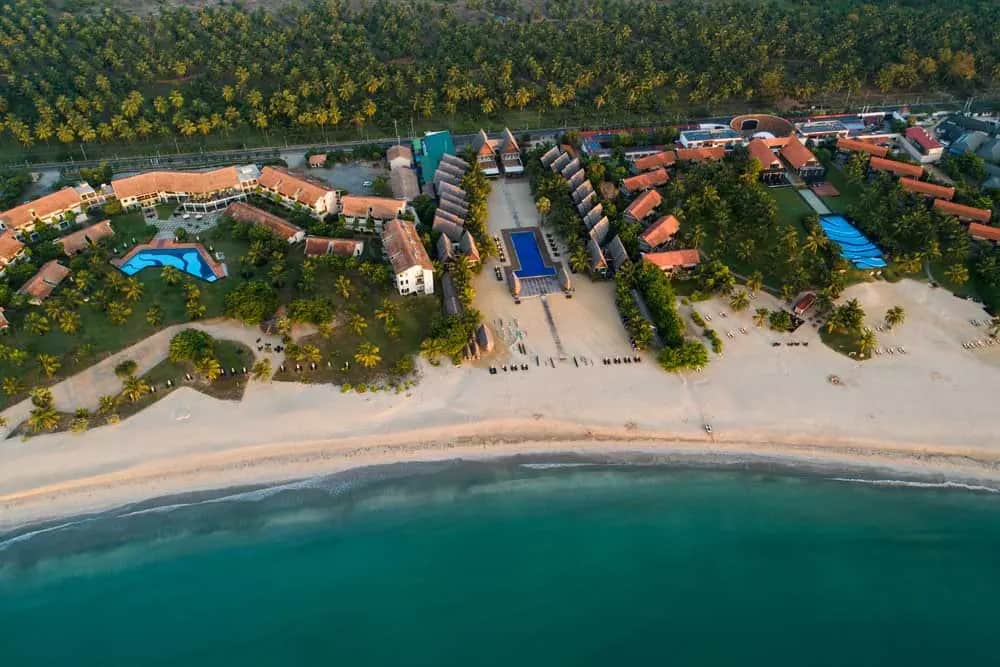
Sri Lanka Beaches
Sri Lanka's coastline offers something for most travellers: swimming bays, surf breaks, long quiet sands and busy beach towns. Which coast to choose depends mostly on the month you travel. When to go The west and south coasts are best from about November to April. The east coast is best from about April to September. South-west coast A long run of beaches stretches from Panadura and Wadduwa through Kalutara, Beruwala and Bentota to Ahungalle and Hikkaduwa. Bentota and Beruwala are known for water sports, Hikkaduwa for surfing, diving and snorkelling. South coast Around Galle are Thalpe, Unawatuna and Koggala, followed by Weligama, Mirissa, Dickwella and Tangalle. Unawatuna's sheltered bay suits swimmers, with glass-bottomed boats for a look at the coral. Mirissa has a curving bay, surf and a small fishing harbour. East coast North of Trincomalee, Nilaveli has a long stretch of beach. To the south, Pasikuda and Kalkudah have shallow, sheltered water, and Arugam Bay is the surf capital. North-west coast and Colombo Wide golden beaches run from Kalpitiya, known for kitesurfing, through Chilaw to Negombo, near the airport. In Colombo, Galle Face Green is a seafront promenade, and Mount Lavinia Beach, south of the city, is the main place to swim, with seafood restaurants along the sand. The far north Jaffna has Casuarina Beach and Point Pedro, and Mannar has Keeri Beach and the sandbanks of Adam's Bridge. These beaches see far fewer visitors. Safety Currents can be strong, especially out of season, so swim where locals swim and watch for red flags. Many beaches have no lifeguards. Cover up when you leave the beach, as topless sunbathing is not accepted. Choosing a beach For calm swimming, look at Unawatuna, Pasikuda or Nilaveli in their seasons. For surf, head to Weligama, Hikkaduwa or Arugam Bay. For a quiet stay, Tangalle and the far north see far fewer visitors.
ExploreImage Credit: ShutterStock
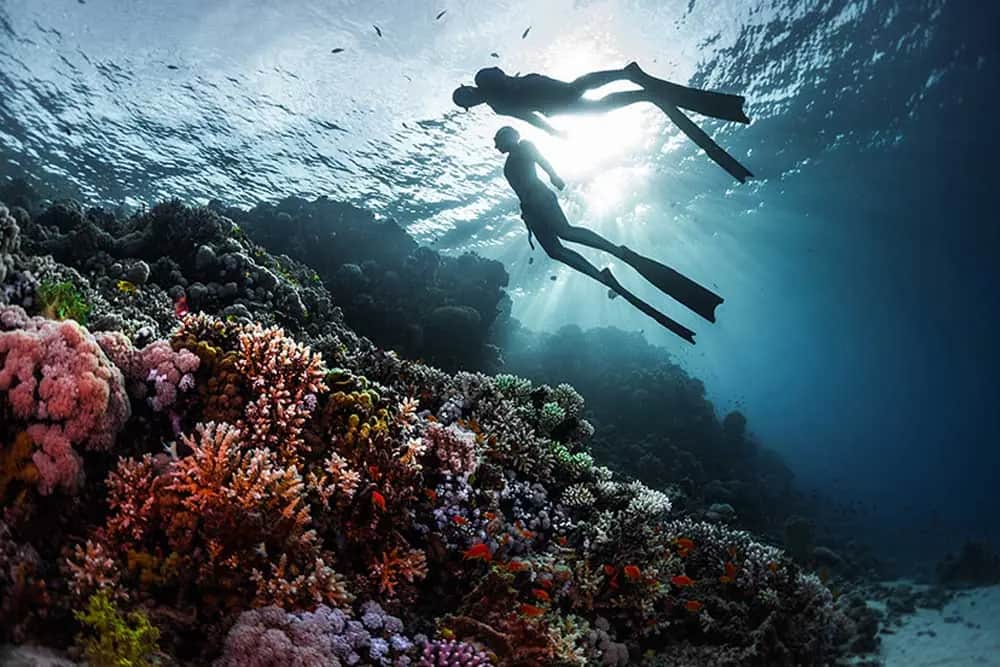
Diving and Snorkelling
You do not need to be an experienced diver to enjoy Sri Lanka's reefs. A mask and fins are enough in many bays, and dive centres on every coast run courses and guided dives, including to the many wrecks left by centuries of shipping. Seasons On the west and south coasts the diving season runs from about October or November to April. On the east coast, around Trincomalee, it runs from about April to October. Colombo and Negombo Sites off Colombo include the Gorgonian Gardens, Taprobane reefs and Barracuda Reef off Mount Lavinia, along with wrecks such as the Medhufaru, a Maldivian cargo ship. Negombo has reefs, rocks and small caves with lionfish, snappers, moray eels, fusiliers and groupers. See diving in Colombo. The south-west coast Beruwala has Shark Point and Barracuda Rock, and Bentota has Canoe Rock. Hikkaduwa's reef is protected as a marine national park, with shallow water for beginners, glass-bottomed boats and sites such as Kiralagala and Black Coral Point; see diving and snorkelling in Hikkaduwa. Galle to Mirissa Galle harbour has several recorded wrecks, and near Hambantota lies the Godawaya, an ancient wooden wreck. Unawatuna and Jungle Beach are good for snorkelling and wreck dives; see diving in Galle. Weligama has shallow reefs for snorkelling and deeper sites such as the Prince Heinrich Patch and Bridge Rock, known for nudibranchs; see diving in Weligama. Mirissa and Dickwella also have dive centres. The east and north-west Around Trincomalee, Nilaveli and Pigeon Island have hard and soft corals, rays and moray eels. Wrecks offshore include HMS Hermes off Batticaloa. The Bar Reef off Kalpitiya is one of the largest reef systems in the country and a good place to snorkel. Courses Many centres offer PADI courses from open water to divemaster, along with night and reef dives. Tips Choose a dive centre with certified instructors and well-maintained equipment, and do not touch or stand on coral. Visibility is best in the calm months of each coast and can drop after rain.
ExploreImage Credit: ShutterStock

Heritage and Historical Places
Sri Lanka's history runs back more than two thousand years, and much of it can still be seen. Ancient capitals, cave temples, colonial forts and the tea country each mark a different chapter. Ancient kingdoms Buddhism arrived in the 3rd century BC and shaped writing, art and building. Anuradhapura, the first great capital, survives as a large area of dagobas and monasteries. The rock fortress at Sigiriya still impresses with its engineering, and the painted caves of Dambulla are around two thousand years old. In Kandy, the Temple of the Tooth Relic remains the centre of Buddhist life. Traders and colonial rule Arab traders brought Islam, and the Portuguese, Dutch and British brought Christianity, new languages and new food, which is why mosques, churches, kovils and temples stand side by side across the island. The Portuguese built forts along the coasts that the Dutch later strengthened. Galle Fort is a UNESCO World Heritage Site. The British era The British started the tea industry that made Ceylon tea known worldwide, and built the railway that links the hill country with the rest of the island. They also introduced cricket, now the country's favourite sport. Seeing it City tours, walking tours and village visits are good ways in. The art and architecture page covers temples, murals and modern buildings in more detail. Visiting temples At Buddhist sites, cover shoulders and knees, remove shoes and hats before entering, and never pose with your back to a Buddha statue. Hindu kovils have similar rules, and some ask men to remove shirts in the inner shrine. Early morning visits are cooler and quieter. Planning a heritage route The classic route runs through the Cultural Triangle, linking Anuradhapura, Polonnaruwa, Sigiriya and Dambulla, then south to Kandy. Galle is easy to add on the south coast. A ticket for each major site is bought separately at the entrance.
ExploreImage Credit: ShutterStock
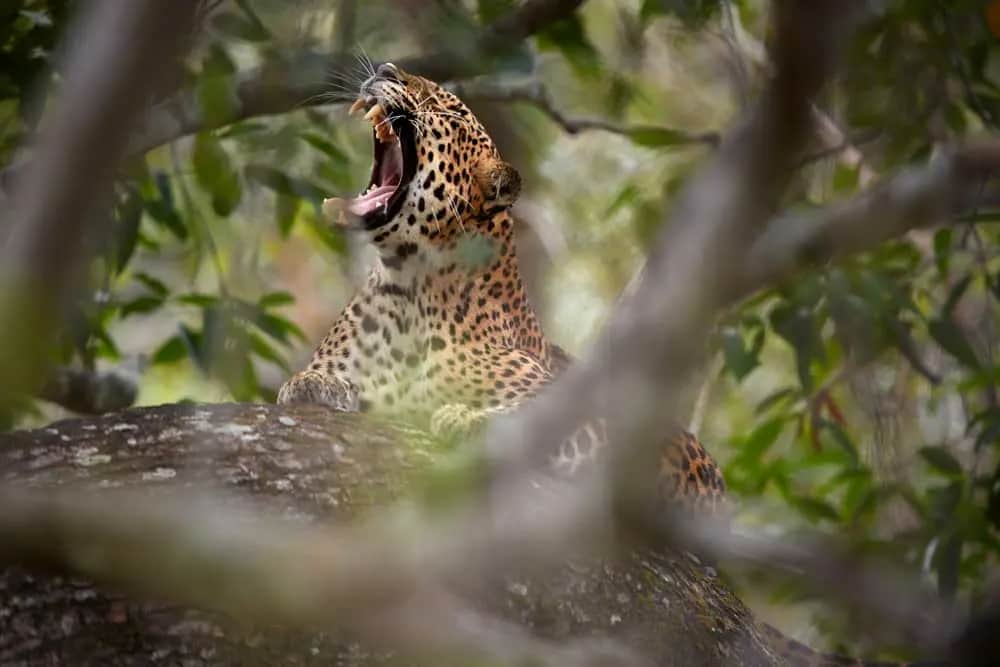
Sri Lanka Wildlife
For a small island, Sri Lanka has a remarkable range of wildlife: elephants and leopards on land, blue whales offshore, and hundreds of bird species. National parks stretch from Wilpattu in the north-west to Yala in the south. Elephants The parks of Minneriya, Kaudulla and Wasgamuwa are linked by an elephant corridor. In the dry season, roughly July to October, large herds come to the tanks in the evening, a spectacle known as the gathering. Leopards and sloth bears Yala National Park is the most visited park and is known for its high density of leopards. Sloth bears are easiest to see in Yala and Wilpattu around the palu fruit season, roughly April to July. Wilpattu is also known for its willus, natural lakes scattered through the forest. Birds Bundala is famous for migrant water birds, flamingos among them. See bird watching for more. At sea Dolphins and whales, including blue whales, are seen off several coasts, and turtles and reef fish around the coral reefs. See whale and dolphin watching. Safari tips Most safaris are in open jeeps with a driver, and early morning and late afternoon are best. Tented camps near the parks let you stay close to the action; see camping and glamping. When to go Most parks can be visited all year, but the dry season, roughly from May to September in the north-central and south-east, draws animals to the water and makes them easier to see. Yala is partly closed for a few weeks around September. Responsible viewing Keep noise down, stay in the vehicle, and ask your driver not to crowd animals or chase sightings. Avoid attractions that keep wild animals for rides or performances.
ExploreImage Credit: ShutterStock
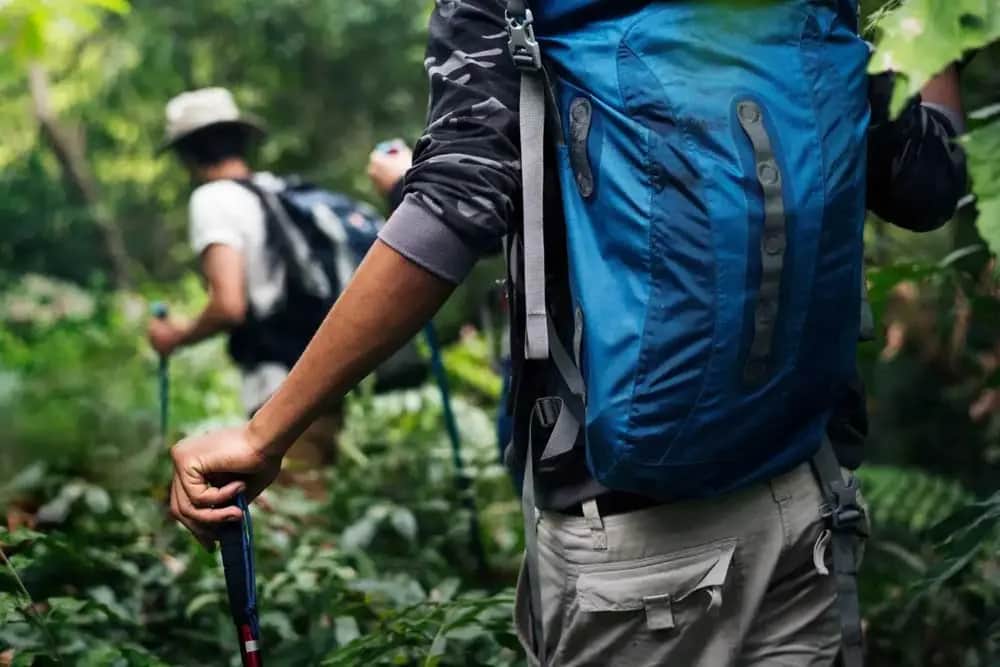
Hiking and Trekking
The hill country is the heart of hiking in Sri Lanka, with trails through tea estates, cloud forest and grassland, and plenty of rivers and waterfalls along the way. Ella The Ella Rock hike is about 10 km return and takes around four hours, through tea and forest to a summit with views over the Ella Gap. Little Adam’s Peak is shorter and easier, with views across tea estates. Diyaluma The Upper Diyaluma trek leads to natural pools above the 220 metre falls, where you can swim. You can also start at the top and walk down to the foot of the falls near Koslanda. Knuckles Range The Knuckles Range is part of the Central Highlands World Heritage Site and has some of the best trekking in the country. Fog and changeable weather can make it hard going. Trails include the Mini World's End and Dothalugala walks from Deanston, Alugallena and the Nitro Caves from Corbet's Gap, the Pitawala Pathana grassland, and the route to Kalupahana from Meemure. Horton Plains This high plateau of grassland and cloud forest is known for World's End, a sheer drop of around 880 metres, and Baker's Falls. Go early, as mist usually rolls in by late morning. See Horton Plains. Adam's Peak Sri Pada is a pilgrimage site and a classic climb. Thousands of steps lead to the summit, usually climbed through the night to see sunrise and the triangular shadow the peak casts across the land. In season the path is lit and lined with stalls. The Hatton and Ratnapura routes are the most used. Sinharaja Treks in this rainforest reserve reveal endemic birds, plants and streams for a dip. See Sinharaja.
ExploreImage Credit: ShutterStock
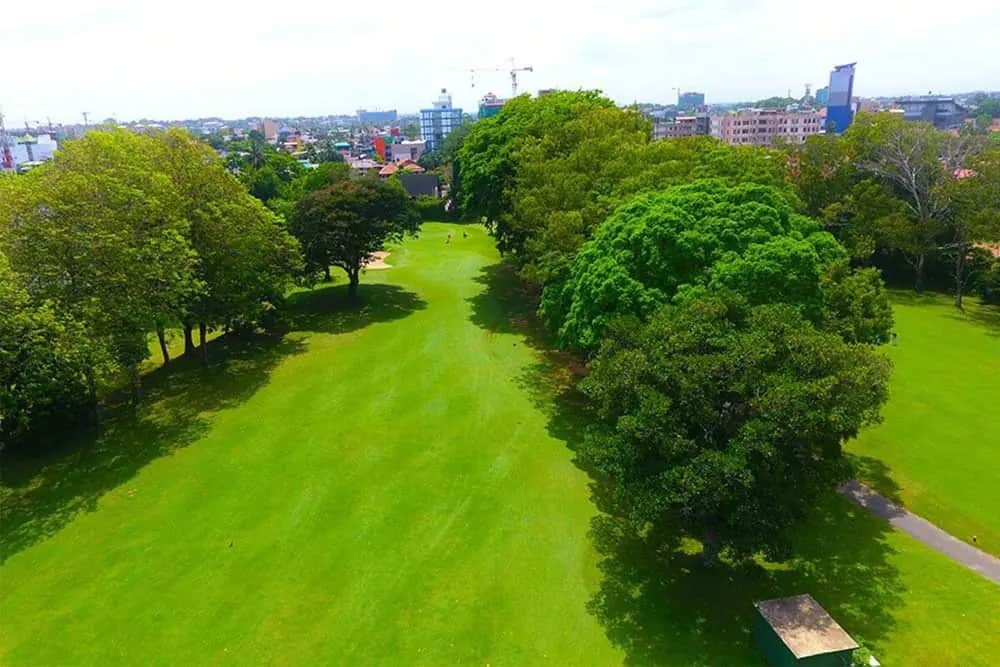
Golf Courses in Sri Lanka
Sri Lanka is not a big name in world golf, but it has a handful of very scenic courses, two of them dating from the colonial era. Royal Colombo Golf Club Founded in 1879 and granted royal status in 1928, this is one of the oldest golf clubs outside Britain. The 18-hole course is about 20 minutes from central Colombo, and the club has practice areas, a gym and a lounge. Green and caddie fees apply. See Royal Colombo Golf Club. Victoria Golf and Country Resort Designed by Donald Steel, this par-73 course at Digana, outside Kandy, follows the slopes above the Victoria Reservoir. The par-4 6th is its signature hole. The resort also offers accommodation, swimming, tennis, horse riding and bird watching. See Victoria Golf and Country Resort. Nuwara Eliya Golf Club Founded in 1889 by British planters, the club still has its colonial clubhouse. The 18-hole, par-71 course is lined with cypress and eucalyptus close to town, and resident professionals give lessons. See Nuwara Eliya Golf Club. Eagles' Golf Links, Trincomalee Run by the Sri Lanka Air Force, this course near Marble Beach on the east coast has bunkers and water hazards and sea views. Caddies and club hire are available on request. See golf in Trincomalee. Shangri-La Hambantota The resort course on the south coast, designed by Rodney Wright, runs through a former coconut plantation, lakes and dunes beside the Indian Ocean. Playing as a visitor Visitors can usually play at all of these courses by paying a green fee, though some clubs ask you to book ahead or arrive with an introduction. Caddies are normal and expected at most clubs. Bring your own clubs or ask about hire when booking, and check the dress code, which tends to be traditional at the older clubs. When to play Colombo and the south coast are hot and humid, so early tee times are best. Nuwara Eliya is cool all year and can be misty, while the course near Kandy is comfortable for most of the day.
ExploreImage Credit: ShutterStock
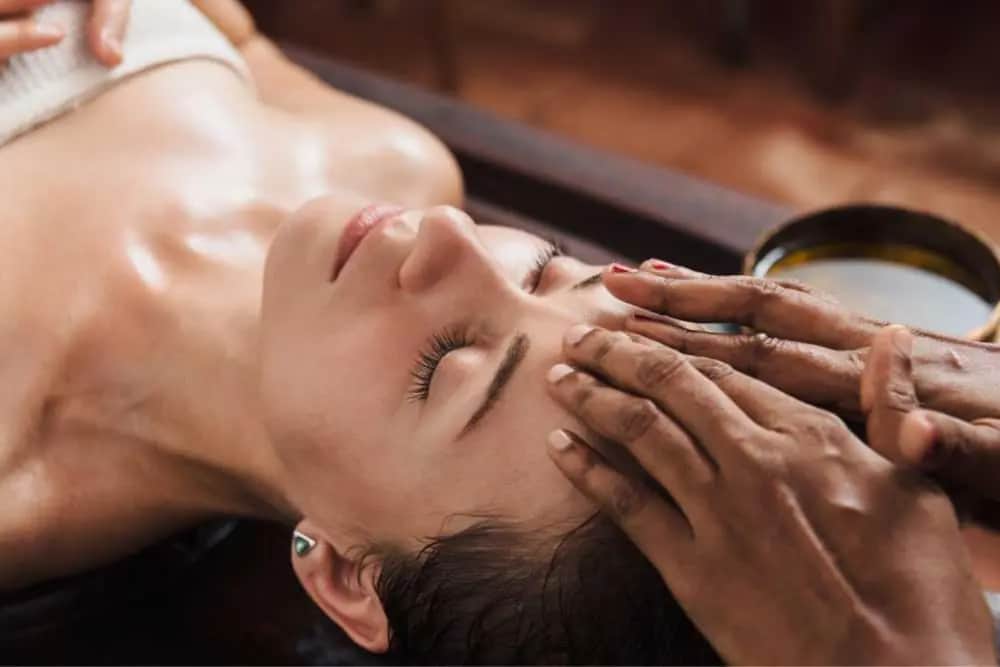
Spa, Ayurveda and Yoga
Sri Lanka has a long tradition of Ayurveda, and many hotels and retreats combine it with yoga and meditation. A few days of treatments is a popular way to begin or end a trip. What Ayurveda is Ayurveda is a traditional system of medicine with roots going back thousands of years in South Asia, and it remains part of Sri Lanka's health care alongside western medicine. It aims to keep body and mind in balance, with two goals: to treat illness and to prevent it. Treatments are built around cleansing and rejuvenation. Typical treatments Programmes usually start with a consultation and may include full body, head and foot massage, oil treatments, herbal and flower baths, steam baths and body wraps, along with a recommended diet. Yoga and meditation Yoga came to Sri Lanka from India, and meditation is central to it. Many retreats run daily classes, and some are open to drop-in visitors. Where to go Beruwala and the south-west coast have several Ayurveda resorts, including Heritance Ayurveda Maha Gedara, which is dedicated to the practice. Ulpotha, a working village retreat in the countryside, runs yoga and Ayurveda stays for part of the year. Soul and Surf near Ahangama combines yoga with surfing, and Santani in the hills near Kandy is a wellness resort. Spa Ceylon and Siddhalepa have outlets in Colombo and in many resorts. See spa and Ayurveda in Colombo, spa and Ayurveda in Sigiriya and yoga and Ayurveda in the south, or yoga in Arugam Bay. Choosing a programme Short treatments in a hotel spa are good for relaxation, while a proper Ayurveda programme usually lasts at least a week, with a doctor's consultation, a diet plan and daily treatments. If you have a medical condition, check with your own doctor first.
ExploreImage Credit: ShutterStock

Adventure and Water Sports
Rivers, lagoons, lakes and a long coastline give Sri Lanka plenty of options for active travellers, from gentle kayaking to rafting and canyoning in the rainforest. Motorised water sports Bentota on the south-west coast is the main centre, with jet skis, speedboats, water skiing, boogie boards and banana boat rides. The sea is calmest from about November to April. See water sports in Bentota. Jet skis are also available at Unawatuna, Negombo, Kalpitiya, Pasikuda and Lake Gregory in Nuwara Eliya, and at centres around Bolgoda Lake near Colombo, which also offer wakeboarding and tube rides. Rafting and canyoning in Kitulgala The Kelani River at Kitulgala has a stretch of about five kilometres with several rapids. Trips run with professional guides and safety gear, and the minimum age is usually around ten. See white water rafting in Kitulgala. Canyoning here includes natural slides and supervised jumps into rock pools, and there is also waterfall abseiling, flat water rafting and forest walks. Kayaking and boat trips The Kalu Ganga, and the lagoons at Negombo and Tangalle, are good for kayaking among mangroves and birdlife. Boat trips run on Kandy Lake, the Parakrama Samudraya in Polonnaruwa, the Madu Ganga near Balapitiya and Habarana Lake. Longer river expeditions with riverside camping are possible on the Mahaweli, Kelani and Kalu rivers. More ideas See also surfing, diving and snorkelling and hiking and trekking. Safety Use operators that supply life jackets and helmets and brief you before you start. Rafting and canyoning depend on the river level, and trips may be cancelled after heavy rain or in very dry spells, so allow some flexibility. On the coast, check where it is safe to swim, as currents can be strong outside the main season. When to go On the west and south coasts the sea is calmest from about November to April. In Kitulgala, rafting runs for most of the year, depending on rainfall.
ExploreImage Credit: ShutterStock
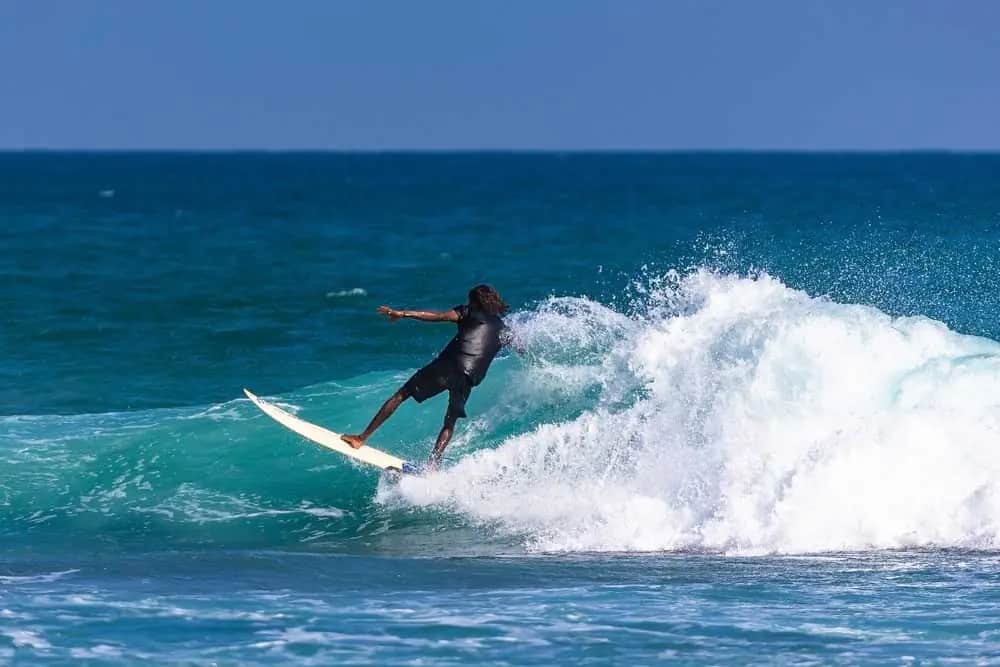
Surfing
Sri Lanka has had surfers since the 1960s, and it is easy to see why: warm water, consistent waves and two coasts with opposite seasons. The south and west coast work from about November to April, and the east from about May to October. Arugam Bay This small fishing town on the east coast is the country's best known surf spot, with long right-hand point breaks. The Main Point is in the bay itself; Pottuvil Point and Whiskey Point are to the north, and Elephant Rock, Peanut Farm and Okanda to the south. See surfing in Arugam Bay. Weligama The wide, gentle bay at Weligama is one of the best places to learn, with boards for hire along the beach. More experienced surfers head to reef breaks nearby. See surfing in Weligama. Mirissa and Hikkaduwa Mirissa has a bay break and a left-hander, best from about November to March; see surfing in Mirissa. Hikkaduwa has several breaks, and the town has plenty of surf shops, cafes and bars. Ahangama and the coast near Yala have quieter spots. Windsurfing The warm climate means no wetsuit, but plenty of sunscreen. Beginners can start on the calm Bentota river and lagoon, where windsurfing schools operate from about November to April. Hikkaduwa and Tangalle also suit windsurfers. Kitesurfing Kalpitiya, on the north-west coast, is the main kitesurfing centre, with flat lagoon water for learning and the ocean for wave riding. The main season is about May to October. Mannar, near Adam's Bridge, is a newer area with strong, steady wind. See kitesurfing in Kalpitiya. Tips Boards and lessons are easy to find in every surf town. Wear a rash guard and reef booties at reef breaks, use reef-safe sunscreen, and respect the local lineup, especially at busy spots such as Arugam Bay's Main Point.
ExploreImage Credit: ShutterStock
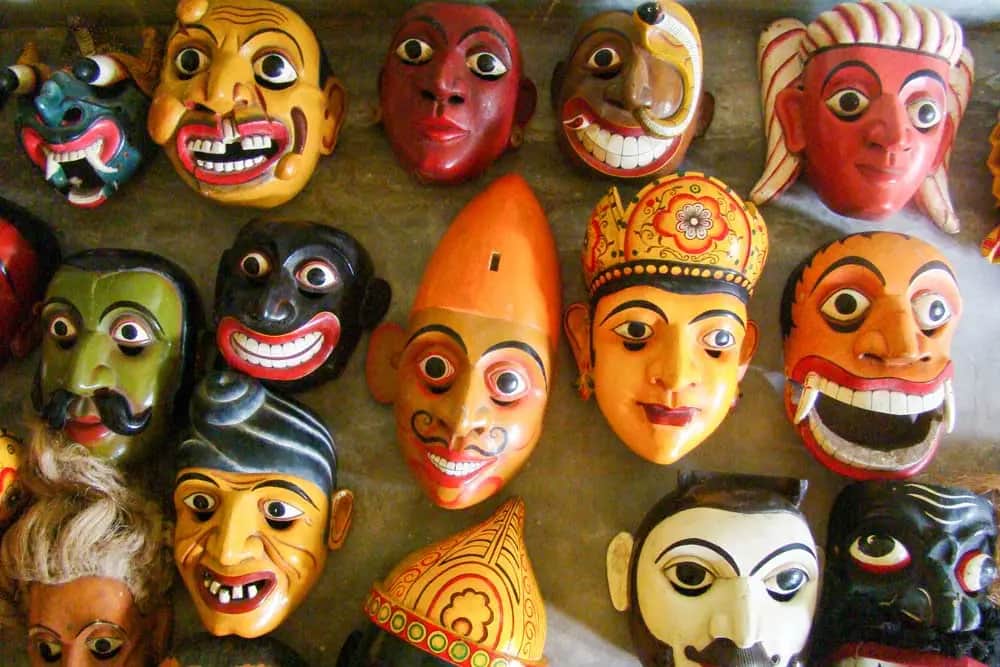
Art and Architecture
Sri Lanka's art spans ancient frescoes, Buddhist sculpture, colonial buildings and the tropical modern architecture of Geoffrey Bawa. Traditional crafts and dance are still part of daily life. Ancient and religious art Buddhism, introduced in the 3rd century BC, inspired most early art: Buddha statues carved in granite and limestone, and paintings of scenes from the Buddha's life in temples and shrines. The rock fortress at Sigiriya has its famous painted figures, and the caves of the Dambulla cave temple are covered in colourful murals. Indian influence shows in the brightly painted Hindu kovils found across the island. Colonial buildings The Portuguese, Dutch and British left churches, forts and houses in Colombo, Kandy and Galle, with Galle Fort the best preserved example. Geoffrey Bawa Bawa, the country's best known architect, shaped the tropical modern style. You can visit his house in Colombo, his former office (now the Gallery Cafe), the Parliament building and his country estate at Lunuganga. Hotels he designed include the Jetwing Lighthouse in Galle and Heritance Kandalama near Dambulla. His brother Bevis created Brief Garden, a former rubber estate turned into a garden of sculpture and ponds. Contemporary art and performance Colombo has the National Art Gallery and private galleries such as Saskia Fernando. Artists display work along the street beside Viharamahadevi Park, and the Nelum Pokuna theatre hosts large productions. Dance, puppets and masks Kandyan dance, with its drummers and acrobatic moves inspired by animals and birds, is the national dance and a highlight of the Kandy Esala Perahera; see Kandyan dancing and cultural shows. The Traditional Puppet Art Museum is in Dehiwala, near Colombo. Carved wooden masks, once used in healing rites and dramas, are still made in workshops at Ambalangoda near Galle. Other crafts include handloom weaving, batik, mat weaving and beeralu lace.
ExploreImage Credit: ShutterStock

Bird Watching
Sri Lanka packs wetlands, dry scrub, rainforest, paddy fields and coast into a small island just north of the equator. That variety supports a long list of resident birds, a group of species found nowhere else, and many migrants that arrive for the northern winter. What you can see Endemic species include junglefowl, pigeons, parakeets, a malkoha, a coucal, owls, a hornbill, barbets, a blue magpie, bulbuls, babblers, thrushes, a white-eye, a myna, flycatchers and flamebacks. In the dry zone, kingfishers, spoonbills, storks and cormorants gather at reservoirs and lakes. Migrants include openbills, ibises, herons, egrets, pelicans, ducks, stilts and grebes, and flamingos flock to the lagoons of Jaffna and Mannar. Best places Bundala, at the southern end of the migratory route, is known for flamingos, storks and herons. Kumana in the east has important breeding grounds for water birds. The rainforest of Sinharaja is the place for mixed flocks and many endemics, and Victoria Park in Nuwara Eliya attracts Himalayan migrants. Other good areas include Kalametiya, Bodinagala and Kitulgala, the parks of Yala, Wilpattu, Udawalawe, Wasgamuwa, Minneriya and Horton Plains, and the island's many tanks and lagoons. When to go Migrants are present from about October to April. January to March usually brings the most settled weather. For other wildlife, see Sri Lanka wildlife. Tips for birders Start at first light, when birds are most active, and hire a local guide in rainforest areas such as Sinharaja, where many endemics move in mixed flocks high in the canopy. Binoculars are essential, and a field guide to the birds of Sri Lanka helps with the many similar species. In the wet zone, leech socks are useful after rain. Combining birding with a tour Many of the best birding sites are also good for other wildlife, so a trip can easily combine parks such as Bundala and Yala on the south coast, or Kumana and the lagoons of the east.
ExploreImage Credit: ShutterStock
Tea Estate Trails
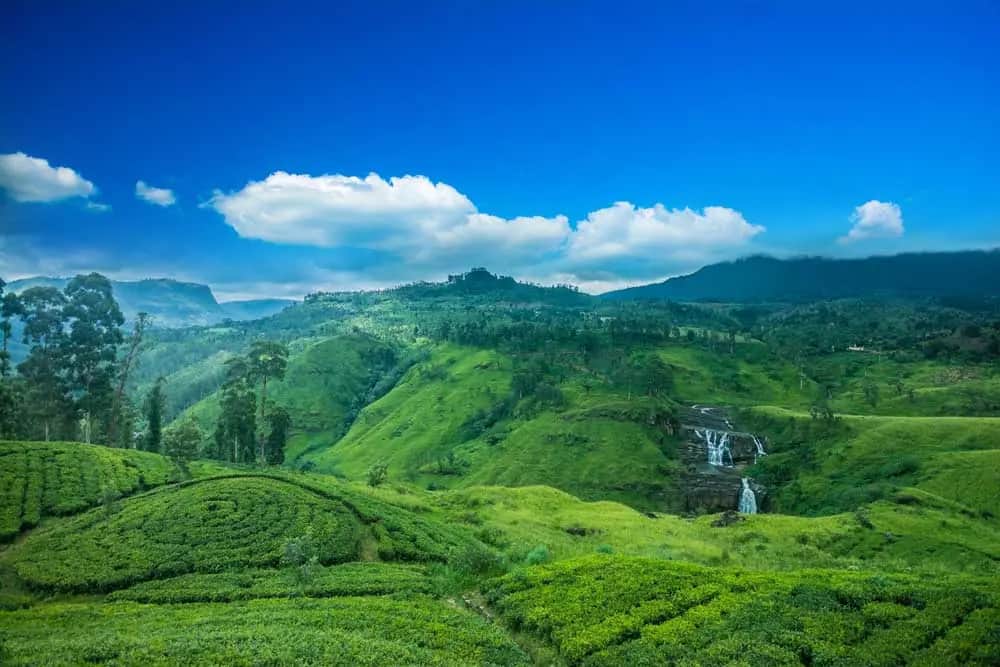
Ceylon tea is the name most visitors know before they arrive. Seeing how a fresh leaf becomes a cup of black tea is one of the most rewarding things to do in the hill country. A short history Coffee came first. It was a major crop in Ceylon until a leaf disease known as coffee rust ruined the plantations in the 19th century. British planters turned to tea, with James Taylor's early estate near Kandy often credited as the start of the industry. Kandy's height and climate suited the plant, and plantations spread to Nuwara Eliya, Hatton, Ella, Haputale and Bandarawela. Tea is still one of the country's main exports. On the estate Tea bushes are pruned to about waist height so that pickers can reach the top flush, called the plucking table. Only the youngest leaves and the bud are taken, by hand. Some tours let you join the pluckers on the slopes and hear about their work. How black tea is made Withering: fresh leaf is spread in long troughs and air is blown through it for many hours, softening the leaf and drawing out moisture. Rolling: machines crush the leaf, breaking the cells and starting the chemical changes. Smaller pieces give a stronger tea. Fermentation: the leaf oxidises on trays in a cool, humid room. Timing is controlled closely, as it shapes the flavour. Firing: hot-air dryers stop fermentation and turn the leaf black. Sorting: stalks are removed and the tea is graded by leaf size before packing. Tea grades Whole-leaf grades such as Orange Pekoe brew a lighter cup. Broken grades such as Broken Orange Pekoe are stronger, and fannings and dust are the strongest, used mainly in tea bags. Silver and golden tips are made from buds only, dried rather than processed, and are among the most expensive teas. Where to visit Factories that welcome visitors include Giragama and Kadugannawa near Kandy, Blue Field at Ramboda, and the Mlesna Tea Castle near Talawakelle. See tea plantations and factories in Nuwara Eliya, a tea factory near Galle, or read about Nuwara Eliya and Kandy.
ExploreImage Credit: ShutterStock
Camping and Glamping
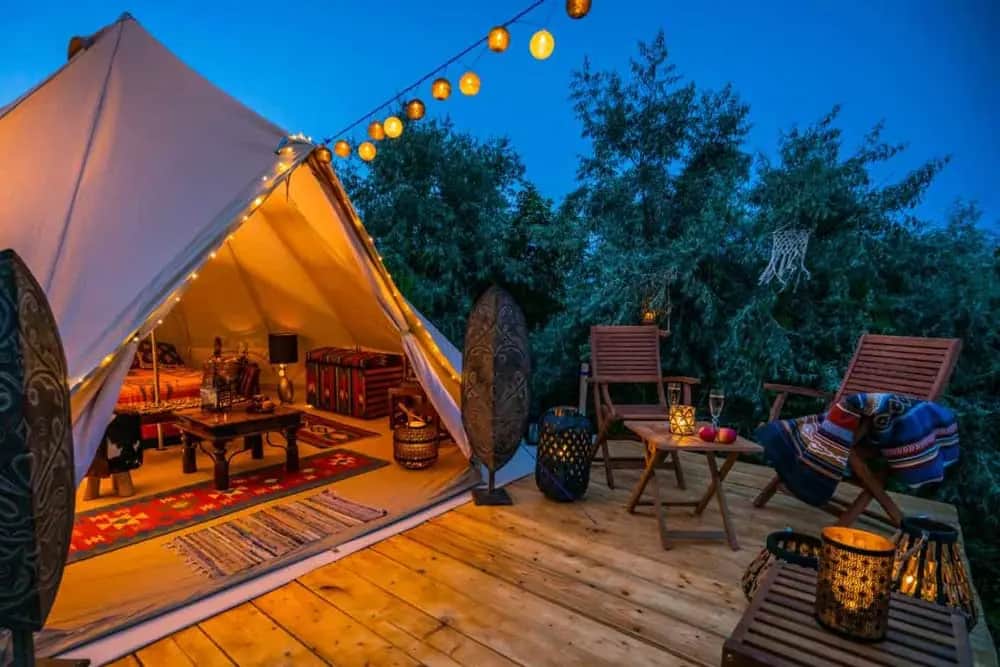
Sri Lanka's forests and national parks make good camping country. Some people want a simple tent and a campfire; others prefer glamping, with proper beds and bathrooms in a tent on the edge of a park. Both put you close to wildlife and rural life. Camping and glamping Glamping camps set up furnished tents within or near wildlife habitat, with modern comforts. It feels like a small hotel in the jungle. Evenings are spent around a fire or eating under the stars, and days on game drives or guided bush walks, sometimes with visits to nearby villages. Meals are often Sri Lankan dishes cooked in a camp kitchen or a barbecue by a river. Where to camp Yala has the largest choice of tented camps; see camping at Yala National Park and glamping at Yala. Mobile camp operators also set up near Udawalawe, Wilpattu and Minneriya, in the Knuckles Range and near Sinharaja. Mahoora and Kulu Safaris are two operators that run mobile camps. Practical tips Camps near parks are usually booked with a safari, and a guide or tracker goes with you on walks for safety. Yala is partly closed for a few weeks in the dry season, usually around September, so check dates. For more on the parks, see Sri Lanka wildlife. What to bring Light, quick-drying clothes in muted colours for game drives, a warm layer for early mornings, a torch or headlamp, insect repellent and sunscreen. Most glamping camps provide bedding, towels and meals, but simple campsites may not, so check what is included when you book. Choosing between them Camping suits travellers who want a simple night outdoors and do not mind basic facilities. Glamping costs more but includes proper beds, bathrooms and cooked meals, which makes it easier for families or anyone new to sleeping in the wild. Either way, staying near a park lets you reach the gates at dawn, when game drives are at their best.
ExploreImage Credit: ShutterStock
City Sightseeing and Shopping
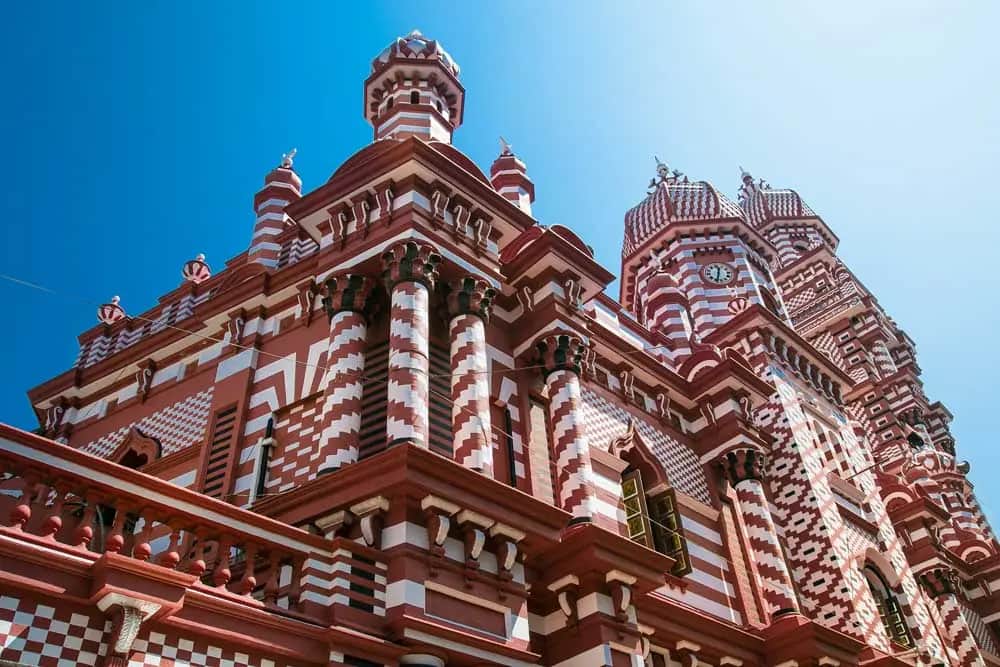
Sri Lanka's cities each tell a different part of the island's story, from the colonial streets of Galle to the temples of Kandy and the markets of Colombo. A day in one of them is also the easiest way to shop for the things the country is known for: tea, gems, spices and textiles. Colombo The commercial capital mixes old and new. A full day Colombo city tour usually covers the National Museum, Gangaramaya Temple, the Fort district, Independence Square and Galle Face Green. Finish with an afternoon at the best places to shop in Colombo, from department stores to craft shops. Kandy The last royal capital is compact enough to see in a day. A Kandy city tour takes in the Temple of the Tooth Relic, the Bahirawakanda Buddha statue above the town and the lake at its centre. Galle, Jaffna and Negombo Inside Galle's walls you can walk between the lighthouse, the Dutch Reformed Church and the Old Dutch Hospital; see the Galle Fort experience. In the north, a Jaffna city tour covers the Dutch fort, Nallur Kovil and Point Pedro. Close to the airport, Negombo has its fish market, lagoon and the Dutch-era Hamilton Canal. What to buy Tea: Ceylon tea is sold in kiosks, outlets and supermarkets across the island. Visiting a plantation and factory lets you see how the leaf is processed and taste different blends. Gems: Sri Lanka has long been known as a gem island. Sapphires in blue, pink and star varieties, cat's eyes, rubies, alexandrite and garnets are sold in shops in Colombo and Kandy, and some tours visit a gem mine. Spices: cinnamon, cardamom, nutmeg, pepper and mace drew Arab and European traders for centuries. A spice garden visit explains how they are grown and lets you buy them fresh. Clothing and textiles: the island makes export clothing for international brands, some of it sold locally at lower prices. Look out also for saris, sarongs, batik and handloom fabrics. Planning Most city tours are full-day trips with a driver and guide. For more ideas see Colombo and Kandy, or browse the art and architecture page. Shopping tips Buy gems only from reputable shops that provide a certificate, and be wary of touts offering to take you to a special sale. Fixed prices are normal in department stores, but bargaining is expected at markets and roadside stalls.
ExploreImage Credit: ShutterStock
Best Things to Do in Sri Lanka
From Sri Lanka's beaches and historic sites to hill country, diving, snorkelling, wildlife, whale watching and trekking, Bubble Sri Lanka Holidays helps you choose the best things to do. Use these pages as a guide, from nature walks and safaris to time in the cities.