
Highlights
- A community turtle conservation project running since 1996
- Nesting turtles and eggs are protected on Rekawa beach
- No flash photos, as light can confuse the turtles
Overview
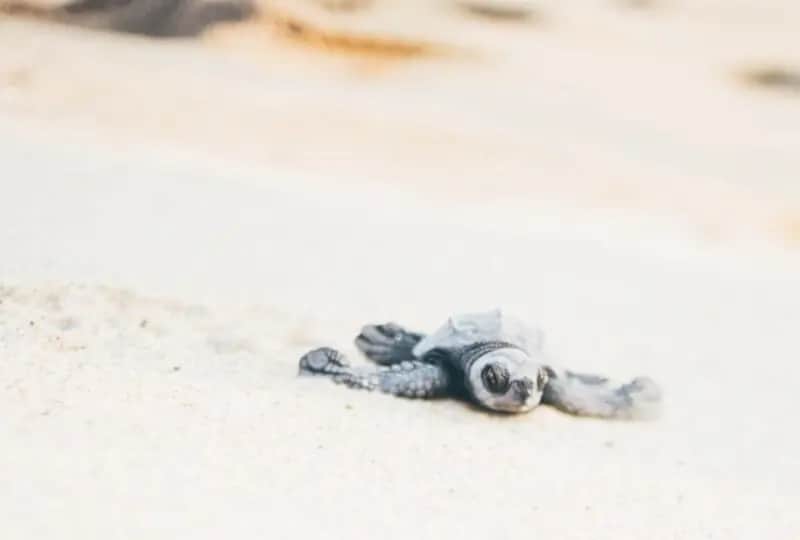
Rekawa beach, about 10 km east of Tangalle, is one of the most important turtle nesting beaches in Sri Lanka. At night, female turtles come ashore to dig nests and lay eggs in the sand. A community conservation project has protected the nests here since the 1990s and runs guided turtle watches for visitors.
The turtles
Five of the world's seven sea turtle species nest in Sri Lanka: the green, olive ridley, hawksbill, loggerhead and leatherback. At Rekawa, green turtles are the most common. Nests are protected on the beach itself, so the eggs hatch naturally and hatchlings make their own way to the sea.
How a turtle watch works
You arrive in the evening and wait near the beach while trackers patrol the sand. When a turtle comes ashore and starts to dig, guides lead small groups to watch quietly from a distance, using only dim red light. Sometimes a turtle arrives early; sometimes you wait hours, and some nights none appear. A small fee goes to the project.
When to go
Turtles nest through much of the year. Sightings tend to be more frequent from about April to July. Watches usually run from around 8pm, and can last late into the night.
How long it takes
Allow two to four hours, mostly waiting.
Getting there
Rekawa is about 20 minutes by tuk-tuk or car from Tangalle.
Turtle-safe rules
- No flash photography or white torches; light confuses turtles.
- Stay behind the turtle and keep quiet.
- Never touch turtles, eggs or hatchlings.
- Avoid hatcheries that keep turtles in tanks for show.
By day, take a boat on Rekawa lagoon or relax at Medaketiya beach. See things to do in Tangalle and Tangalle hotels.
Related posts
Yala National Park Safari
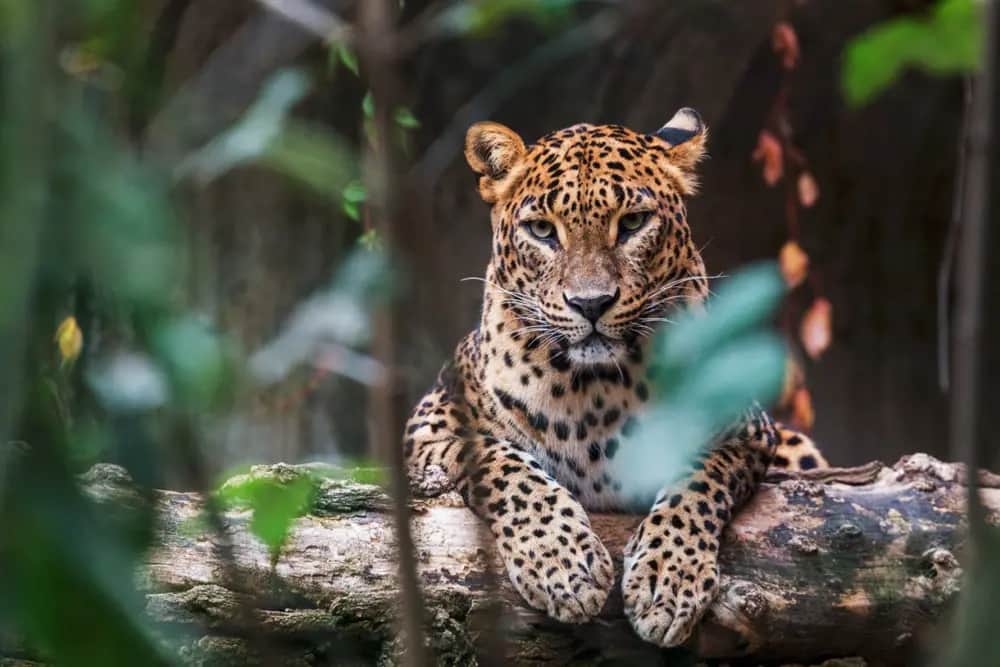
Yala National Park in the south-east is Sri Lanka's most visited park and one of the best places in Asia to see leopards. Elephants, sloth bears, crocodiles and many birds live among its scrub and lagoons.
Image Credit: ShutterStock
Negombo Beach
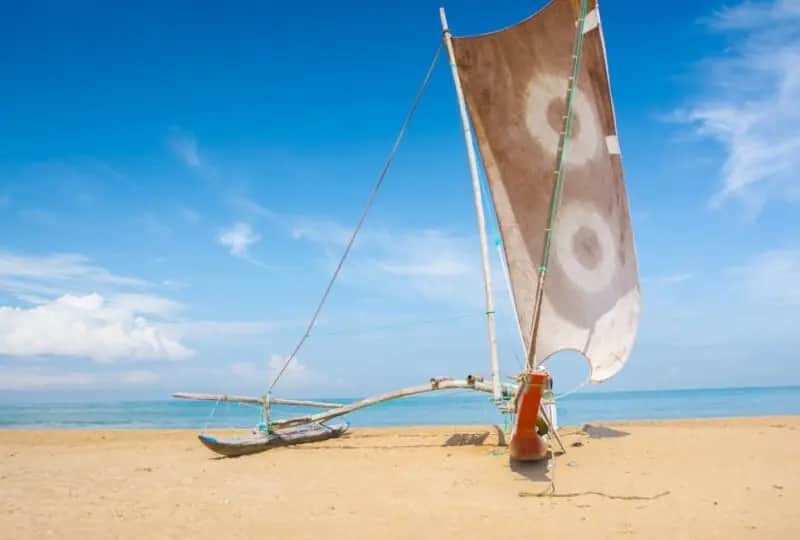
Negombo beach runs north from the town along the main hotel strip, 20 to 30 minutes from the airport. It is a convenient place to rest at the start or end of a trip.
Image Credit: ShutterStock

Visit Tea Plantations & Factories
Tea is the defining crop of the hill country. Visit an estate and factory around Nuwara Eliya to see how high-grown Ceylon tea is plucked, withered, rolled and dried, then taste the result.
Image Credit: ShutterStock

Kandyan Dancing and Cultural Shows
Kandyan dance is the best known classical dance of Sri Lanka. Evening shows in Kandy present dance, drumming and fire walking in about an hour.
Image Credit: ShutterStock

Medaketiya and Medilla beach
Medaketiya and Medilla are the long, wide beaches east of Tangalle town. They are good for walks, with guesthouses behind the sand.
Image Credit: ShutterStock
Habaraduwa Turtle Hatchery
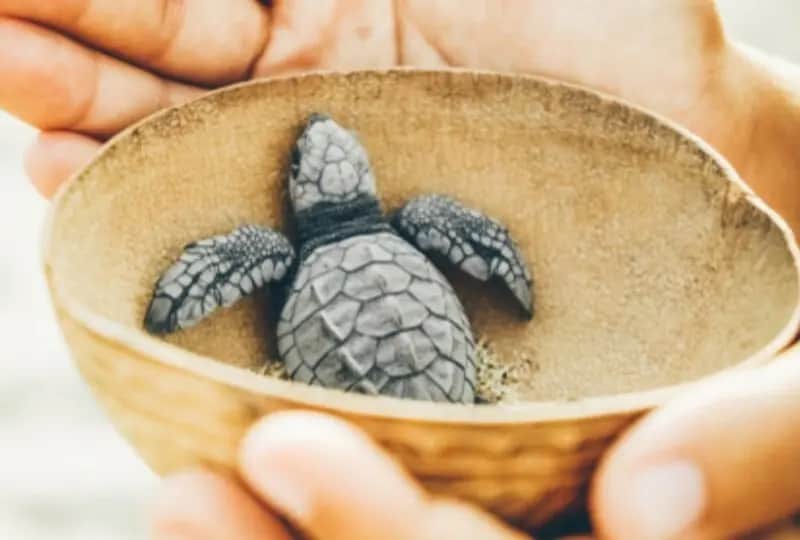
The Habaraduwa turtle hatchery, between Galle and Koggala, was set up in 1986. Learn about the sea turtles that nest on the coast and see hatchlings before release.
Image Credit: ShutterStock

Lahugala National Park Safari
Lahugala Kitulana is a small park inland from Arugam Bay, important for elephants that gather around its tanks. A short safari here is easy to add to a stay on the coast.
Image Credit: ShutterStock
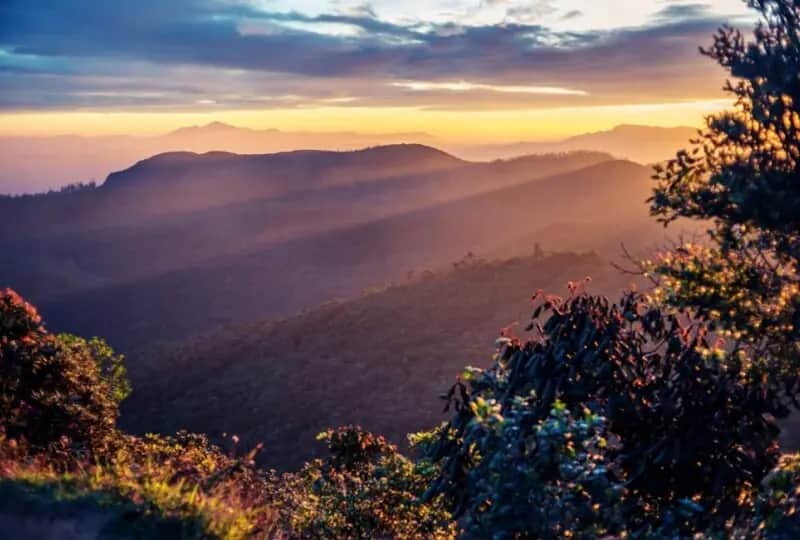
World's End
World's End is the cliff on the southern edge of Horton Plains where the land drops away by hundreds of metres. On a clear early morning the view stretches over tea country to the southern plains.
Image Credit: ShutterStock

Muthurajawela wetlands
Muthurajawela is a large coastal marsh between Negombo and Colombo. Boat trips look for water birds, monitor lizards and crocodiles.
Image Credit: ShutterStock

Bentota Beach
Bentota, about 1.5 to 2 hours from Colombo, has one of the best known resort beaches in Sri Lanka. The long beach meets the Bentota river, and the sea is calm from about November to April.
Image Credit: ShutterStock

Trip to Singharaja Forest for the Day
Spend a day in Sinharaja, Sri Lanka's largest lowland rainforest and a UNESCO World Heritage Site. A guide leads you under tall trees and across clear streams, looking for endemic birds and other wildlife.
Image Credit: ShutterStock
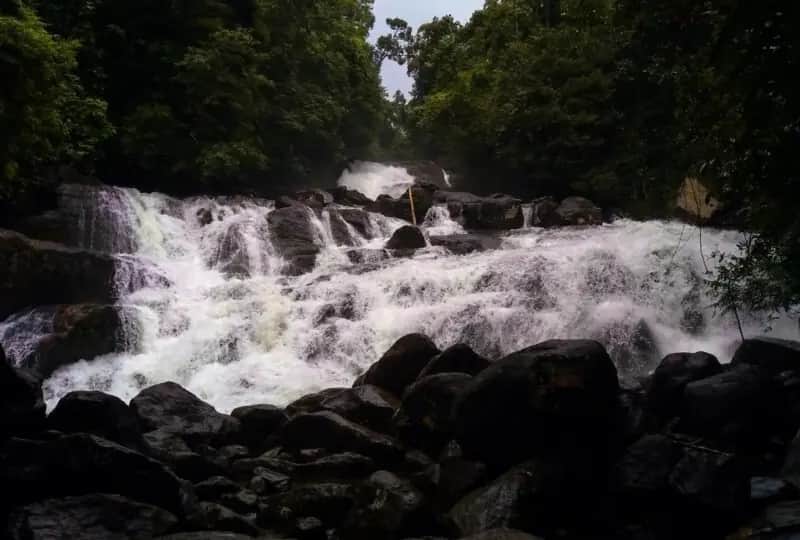
Kanneliya Rainforest
Kanneliya is a lowland rainforest about 35 km inland from Galle, part of a UNESCO biosphere reserve. Trails lead to streams and waterfalls with endemic birds and plants.
Image Credit: ShutterStock
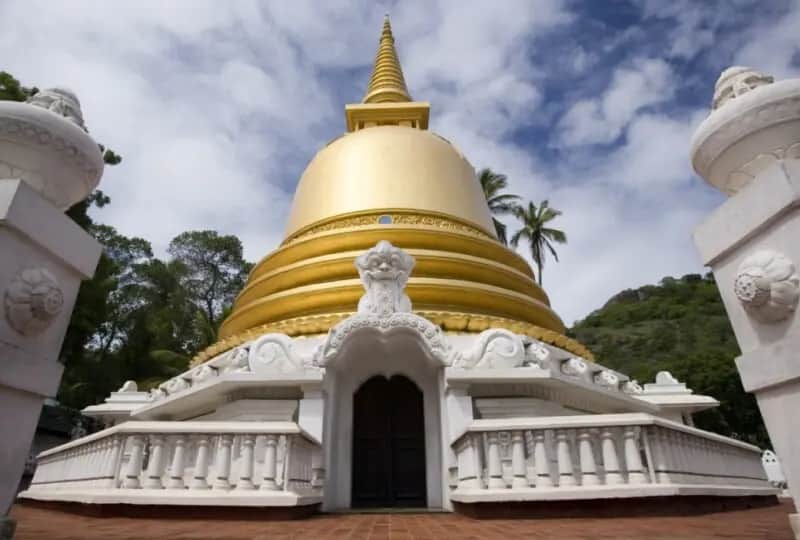
Golden Cave Temple of Dambulla
The Dambulla cave temple is the largest and best preserved cave temple complex in Sri Lanka and a UNESCO World Heritage Site. Five caves hold more than 150 Buddha statues and painted ceilings.
Image Credit: ShutterStock
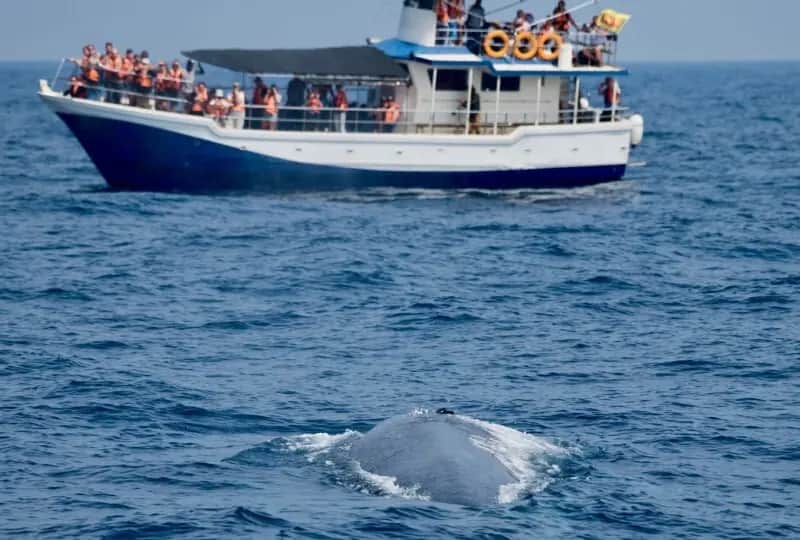
Whale & Dolphin watching in Mirissa
Mirissa is the main base for whale watching in Sri Lanka. From about November to April, boats look for blue whales, sperm whales and dolphins in the deep water offshore.
Image Credit: ShutterStock

Yoga and Ayurveda in the South
The south coast around Galle, Koggala and Weligama has many yoga retreats and Ayurveda centres. Choose a single class or massage or a full programme.
Image Credit: ShutterStock

Pidurutalagala - the tallest peak in Sri Lanka
Pidurutalagala, at about 2,524 metres, is the highest mountain in Sri Lanka and rises behind Nuwara Eliya. Access to the summit is restricted because of a military installation.
Image Credit: ShutterStock

Spa, Ayurveda & Yoga in the South West
The south-west coast from Wadduwa to Bentota has one of the largest groups of Ayurveda resorts in Sri Lanka. Book a single treatment or a full programme with doctors, therapies and yoga.
Image Credit: ShutterStock
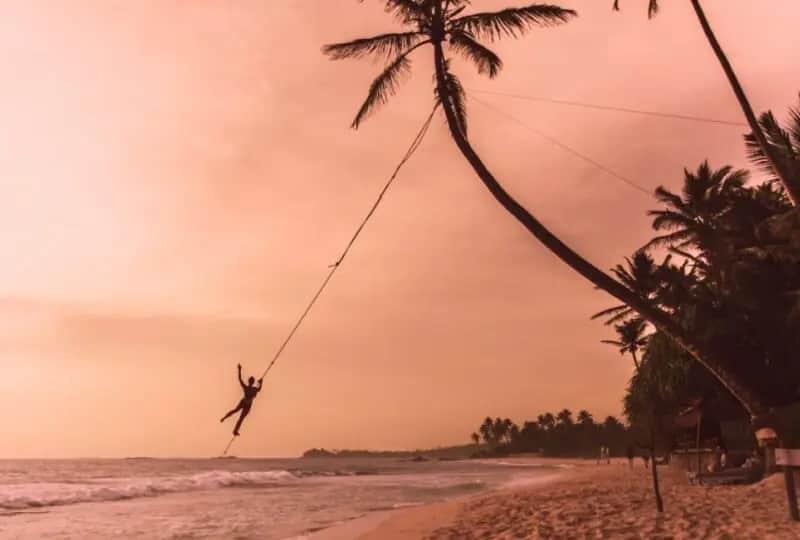
Unawatuna Beach Swing
The rope swings tied to leaning palms near Unawatuna became famous online and are now a popular photo stop. Go early or late to avoid the queues.
Image Credit: ShutterStock

Whale & Dolphin Watching in Trincomalee
Deep water close to the shore makes Trincomalee one of Sri Lanka's main places for whale and dolphin watching. Blue whales, sperm whales and dolphins are seen, mainly from about March to August.
Image Credit: ShutterStock
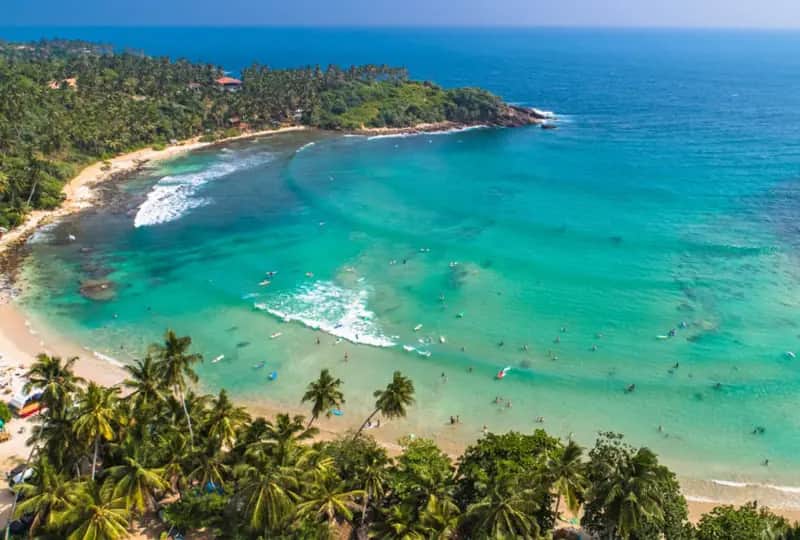
Surfing in Hiriketiya
Hiriketiya is a small horseshoe bay just east of Dikwella, with waves for beginners and intermediates and a relaxed beach scene. Boards and lessons are easy to find.
Image Credit: ShutterStock