
Highlights
- Over 150 Buddha images inside five painted caves
- Each cave has its own name and history
- A UNESCO World Heritage Site
- Painted ceilings and walls cover some 2,100 square metres
Overview
The Dambulla cave temple, also called the Golden Temple of Dambulla, is the largest and best preserved cave temple complex in Sri Lanka and a UNESCO World Heritage Site. Five cave shrines sit under a huge overhanging rock that rises about 160 metres above the surrounding plains. Their walls and ceilings are covered with paintings, and together they hold around 150 images of the Buddha, as well as statues of kings and gods. It has been a place of pilgrimage for more than two thousand years, and monks still live and worship here today.
History
Long before the temple, the caves were lived in by prehistoric people, and excavations have found human remains here. Later they were used by Buddhist monks for meditation. Tradition says that King Valagamba (Vattagamini Abhaya), who hid in this area during his exile from Anuradhapura in the 1st century BC, turned the caves into shrines in gratitude for the monks' help while he rebuilt his army and won back his throne. Later kings added statues and paintings, and in the 18th century King Kirti Sri Rajasinha of Kandy restored the caves and commissioned many of the paintings seen today. More than 80 caves have been recorded on the rock, but the temple is made up of five main ones.
The five caves
Cave 1: Devaraja Viharaya
The "temple of the king of the gods" is named after the belief that the god Sakka gave the final touches to its reclining Buddha. The statue, about 14 metres long (some sources give 15), is carved almost in the round from the natural rock and shows the Buddha at the moment of his passing. The cave holds five other statues, including a standing figure at its southern end, and a shrine to Vishnu stands nearby.
Cave 2: Maharaja Viharaya
The "temple of the great king" is the largest and most impressive cave, about 50 metres long. Its name comes from the belief that King Valagamba himself took part in its making, and his statue stands inside. You enter through a tall archway with statues on either side, and the ceiling curves down towards the floor at the back. The cave holds more than 50 Buddha statues from different periods and a small stupa. Its ceiling and walls are covered with paintings of the Buddha's life and scenes from Sri Lankan history, and there are images of Hindu gods, including Vishnu and Ganesha. Water drips from a crack in the ceiling into a pot, and it is said never to run dry.
Cave 3: Maha Alut Viharaya
The "great new temple" is divided from cave 2 by a wall and is about 27 metres (90 feet) long. It is thought to have been used as a store room before the 18th century, when Kirti Sri Rajasinha turned it into a shrine. A statue of the king in his robes of state sits to the left of the entrance, and most of the paintings here date from his time. The cave holds around 50 Buddha images, carved from the rock, including a standing Buddha under a decorative arch (thorana) and a reclining Buddha about 9 metres (30 feet) long with its head on a pillow.
Cave 4: Paschima Viharaya
The "western temple" is about 16 metres (54 feet) long, with a sloping roof. It holds ten statues, and the main one, a seated Buddha in meditation under a thorana, is carved from the rock and painted in bright colours in the Kandyan style, with long pierced ears and a draped robe. In the centre stands a small stupa called the Soma Chetiya, which treasure hunters damaged in the past. The walls and ceiling are painted with scenes from the Buddha's life.
Cave 5
The newest cave, created in the early 20th century, with statues made of brick and plaster. It has less historical value than the others.
The Golden Temple
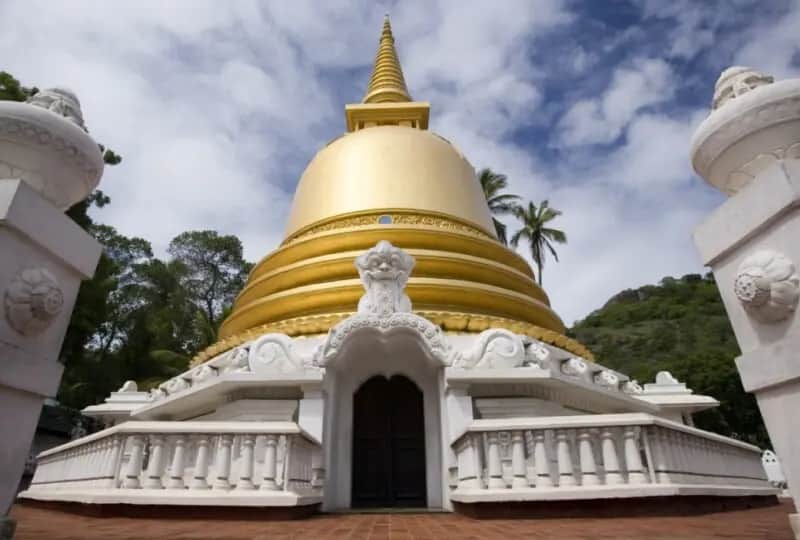
At the foot of the rock stands a modern temple topped with a huge golden seated Buddha, with a museum. Today the name "golden temple" is often used for this building.
Fees (2026)
2026 guides list the foreign adult ticket at about US$10, sold at the ticket office at the foot of the rock. Check the current price.
How long it takes
About one and a half to two hours, including the climb.
When to go
Early morning, when it is cool and the caves are quiet, or late afternoon. The rock is very hot at midday.
Getting there
Dambulla is on the A9, about 30 minutes from Sigiriya and around 2 hours from Kandy by road. From the car park, a path and steps lead up the rock in about 15 to 20 minutes.
Practical tips
- Cover shoulders and knees, remove shoes and hats at the entrance, and bring socks for the hot rock.
- Flash photography and posing with your back to Buddha images are not allowed.
- Watch out for monkeys on the path, and keep food out of sight.
Combine with Sigiriya and Nalanda Gedige. Join our Cultural Triangle package, or see things to do in Dambulla and Dambulla hotels.
Prices are as of October 2026 and may change.
Related posts

Pottuvil Lagoon Safari
Paddle or boat through Pottuvil lagoon, just north of Arugam Bay, past mangroves full of birds. Monitor lizards and crocodiles are often seen along the banks.
Image Credit: ShutterStock
Pigeon Island
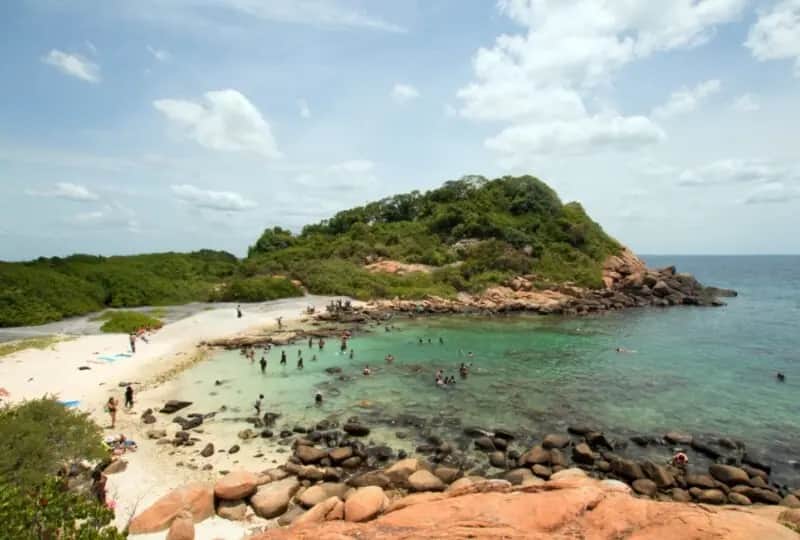
Pigeon Island, off Nilaveli, is one of two marine national parks in Sri Lanka. Snorkel over coral among reef fish, turtles and blacktip reef sharks in the calm season.
Image Credit: ShutterStock

Trekking in Horton Plains
Walk the high plateau of Horton Plains, above 2,000 metres in the central hills. The circular trail crosses grassland and cloud forest to World's End and Baker's Falls, best started at dawn.
Image Credit: ShutterStock

Royal Botanical Gardens
The Royal Botanical Gardens at Peradeniya, about 6 km west of Kandy, are the largest in Sri Lanka. See the orchid house, avenues of palms, a spice garden and a giant Javan fig tree.
Image Credit: ShutterStock
Hot Air Ballooning in Dambulla
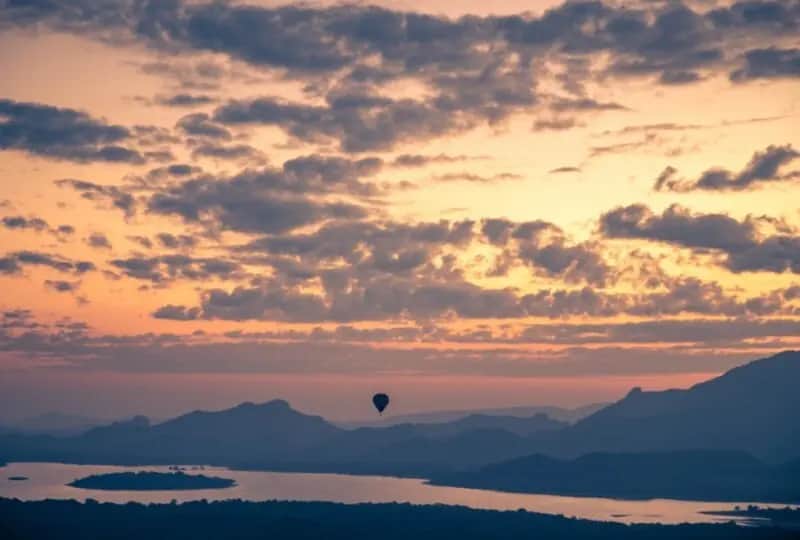
Fly over the Cultural Triangle at dawn in a hot air balloon, looking down on forest, lakes and rocks such as Sigiriya. Flights run in the drier months.
Image Credit: ShutterStock

Polonnaruwa Day Tour
Polonnaruwa was Sri Lanka's capital from the 11th to the 13th centuries. A guided day covers its palaces, temples, stupas and the Gal Vihara.
Image Credit: ShutterStock
Yala National Park Safari
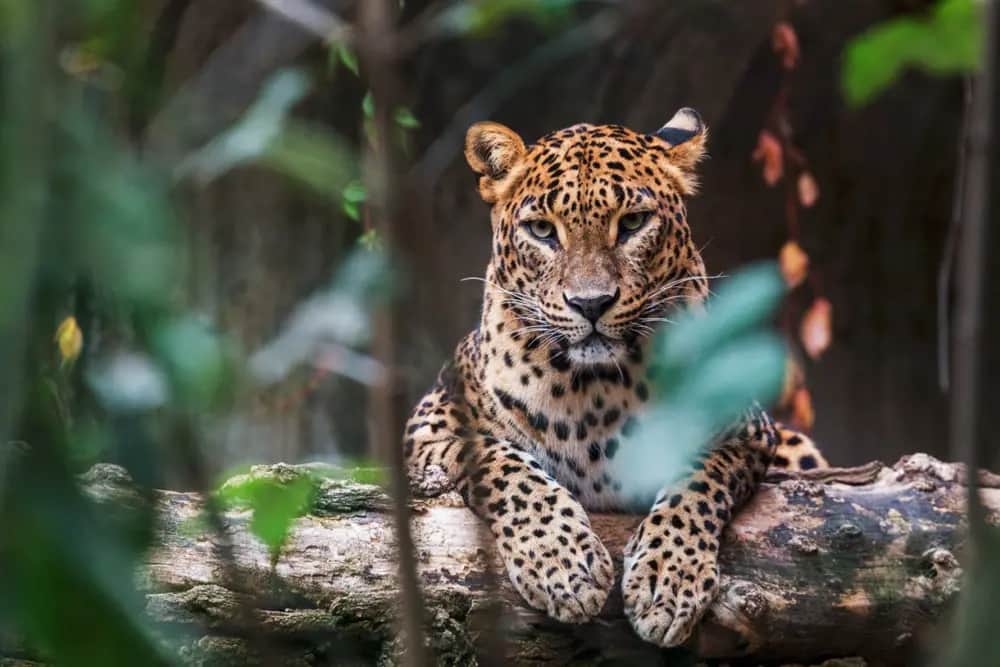
Yala National Park in the south-east is Sri Lanka's most visited park and one of the best places in Asia to see leopards. Elephants, sloth bears, crocodiles and many birds live among its scrub and lagoons.
Image Credit: ShutterStock
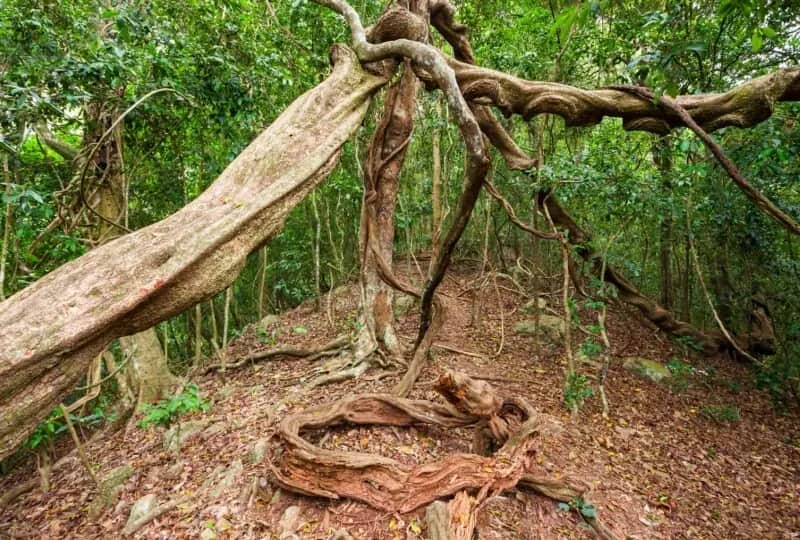
Udawattakele Forest Reserve
Udawattakele is a forest reserve on the ridge just behind the Temple of the Tooth, once the royal pleasure garden. Paths lead through tall trees with monkeys and birds, minutes from the town centre.
Image Credit: ShutterStock

Goyambokka and Pallikaduwa beach
Goyambokka and Pallikaduwa are two small bays just west of Tangalle. They are sheltered and among the best places in the area for swimming in season.
Image Credit: ShutterStock

Rekawa Lagoon
Rekawa lagoon, just east of Tangalle, is small and wrapped in mangroves. Boat trips here pass birds and fishing villages.
Image Credit: ShutterStock
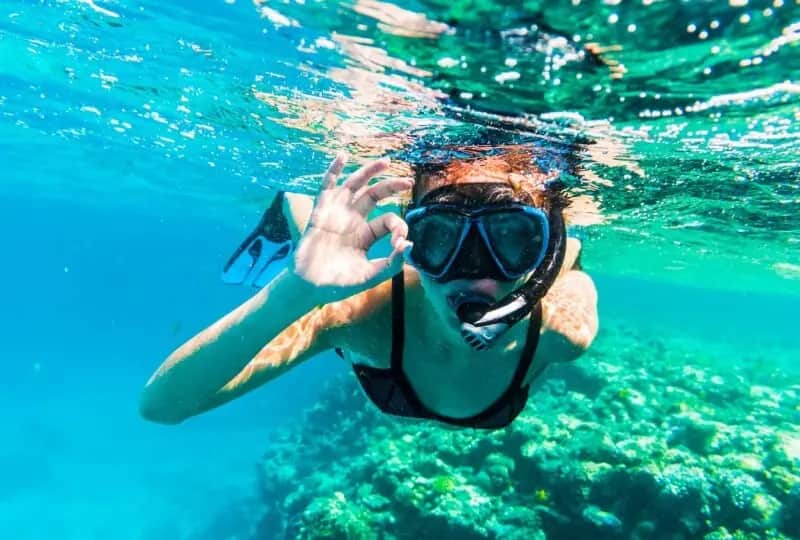
Diving and Snorkelling in Hikkaduwa
Hikkaduwa was one of the first places in Sri Lanka known for diving. A shallow reef runs along the shore for snorkelling, and dive centres visit wrecks and deeper reefs.
Image Credit: ShutterStock
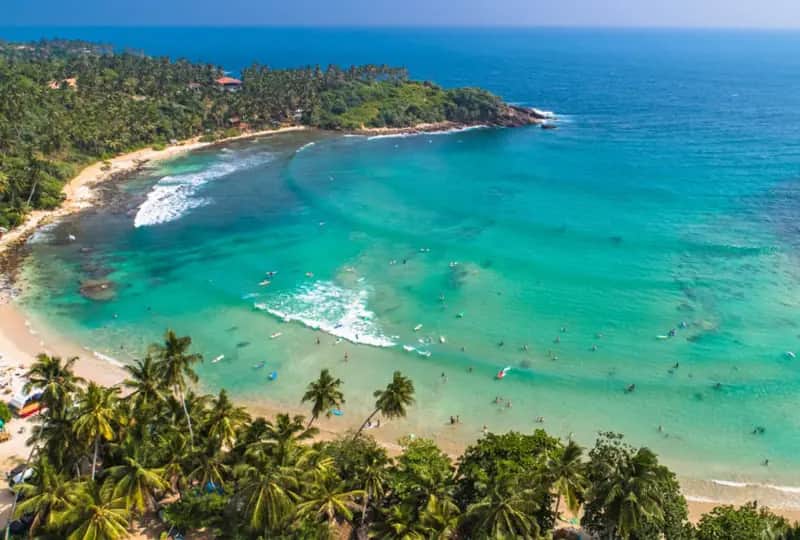
Surfing in Hiriketiya
Hiriketiya is a small horseshoe bay just east of Dikwella, with waves for beginners and intermediates and a relaxed beach scene. Boards and lessons are easy to find.
Image Credit: ShutterStock

Stilt Fishermen of the South
Stilt fishing is a traditional way of fishing on the south coast, with fishermen perched on poles set in the shallows. Today many pose for photographs between Koggala and Weligama and expect a tip.
Image Credit: ShutterStock

Visit Tea Plantations & Factories
Tea is the defining crop of the hill country. Visit an estate and factory around Nuwara Eliya to see how high-grown Ceylon tea is plucked, withered, rolled and dried, then taste the result.
Image Credit: ShutterStock
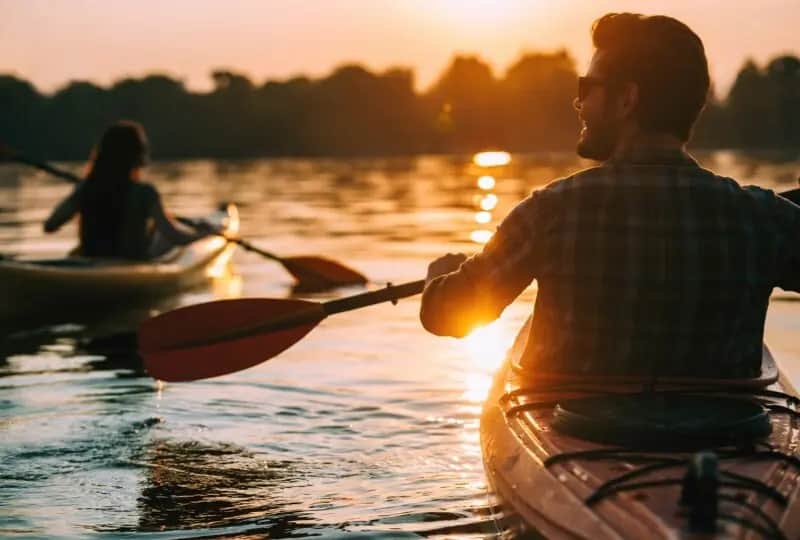
Kayaking in Tangalle Lagoon
Paddle a kayak through the lagoons and mangroves around Tangalle, looking for birds and monitor lizards. Early morning trips are cooler and best for wildlife.
Image Credit: ShutterStock

The Post Office and other Colonial buildings
Nuwara Eliya was developed by the British in the 19th century, which is why it looks like an English town. See the red-brick post office, the Grand Hotel, the Hill Club and old bungalows.
Image Credit: ShutterStock

Kandyan Dancing and Cultural Shows
Kandyan dance is the best known classical dance of Sri Lanka. Evening shows in Kandy present dance, drumming and fire walking in about an hour.
Image Credit: ShutterStock

Lahugala National Park Safari
Lahugala Kitulana is a small park inland from Arugam Bay, important for elephants that gather around its tanks. A short safari here is easy to add to a stay on the coast.
Image Credit: ShutterStock
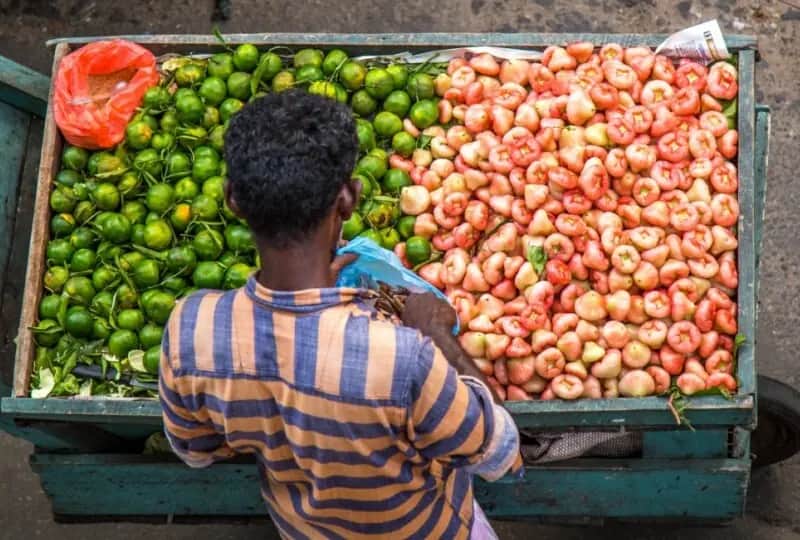
Streets of Pettah
Pettah, just east of Colombo Fort, is the city's oldest and busiest market district. Each street specialises in something, from spices and fabrics to electronics.
Image Credit: ShutterStock

Madu River Mangrove Safari and Fish spa
Take a boat through the Madu River lagoon near Balapitiya, past mangrove islands, a cinnamon island and a small temple. Many trips stop for a fish spa on the way.
Image Credit: ShutterStock