
Highlights
- An old monastery once known as Naga Pabbata
- Little survives except a large reclining Buddha
- Its carvings are thought to date from the early period
- Drip ledged caves and stupa ruins remain
Overview
Bambaragasthalawa is an ancient Buddhist monastery site in the Kumana area, on the south-east coast. Archaeologists believe it was known as the Naga Pabbata Viharaya, and historians generally place its main phase around the 9th century AD. The site was once home to a community of forest monks.
What you see
The main feature is a reclining Buddha around 36 feet (11 metres) long, made of brick and lime plaster rather than carved from rock. Few statues of this type survive. Sadly, it has been badly damaged by treasure hunters. Around it are caves with drip ledges, cut so that rainwater would run off rather than into the shelters, the remains of stupas, and ancient bricks spread over the rocky ground. Several rock inscriptions survive, though many are damaged.
How long it takes
Thirty minutes to an hour on site.
When to go
Morning, before the heat. The area is dry and exposed. Kumana can close at short notice in the north-east monsoon, roughly November to January, so check access in those months.
Getting there
The site lies in the Kumana and Okanda area, about an hour's drive south of Arugam Bay. Depending on the route and current rules, it may be visited as part of a jeep trip into the Kumana National Park area. Ask your driver or guide, as access arrangements change.
Practical tips
- Remove shoes near the statue and dress modestly.
- Do not climb on ruins or touch inscriptions.
- Carry water; there are no facilities.
Another ancient forest monastery nearby is Kudumbigala. Plan with things to do in Kumana and Arugam Bay hotels.
Related posts

St. Anthony's Church Kochikade
St Anthony's Shrine in Kochchikade, near the harbour, is one of the best loved churches in Sri Lanka. People of all faiths come to pray here, especially on Tuesdays.
Image Credit: ShutterStock

Isinbassagala Ruwangiri Rajamaha Viharaya
Isinbassagala Ruwangiri Rajamaha Viharaya is a Buddhist temple on a rock outcrop beside the A9 road near Medawachchiya. Climb to the top for wide views over the dry zone.
Image Credit: ShutterStock

Colombo Fort and its Colonial Heritage
Colombo Fort is the city's historic core and business district. Walk among colonial buildings such as the Cargills store, the Old Dutch Hospital and the old lighthouse clock tower.
Image Credit: ShutterStock

Anjaneyar Temple-Dehiwela
The Sri Anjaneyar temple in Dehiwala is dedicated to Hanuman, known here as Anjaneyar. It is a stop on the Ramayana trail close to Colombo.
Image Credit: ShutterStock
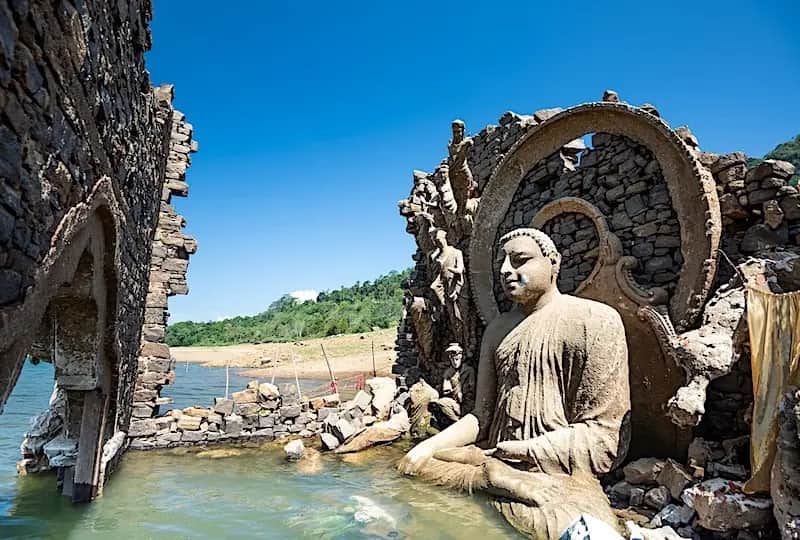
Kadadora
Kadadora, in the Kotmale area, is known as the hiding temple. The old temple was submerged by the Kotmale reservoir and appears again when the water level falls.
Image Credit: ShutterStock

Yahangala
Yahangala is a rock in the northern Knuckles area where, in local Ramayana tradition, King Ravana's body was laid after his death. It can be seen from around Laggala and Dunuwila.
Image Credit: ShutterStock

Viharamahadevi Park & Street Art
Viharamahadevi Park is the largest and one of the oldest public parks in Colombo, opposite the Town Hall. Artists often display their work on the railings nearby.
Image Credit: ShutterStock
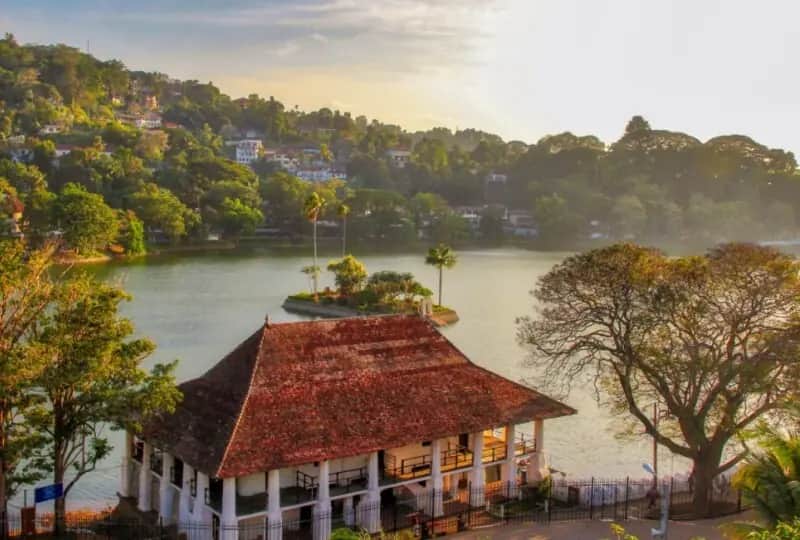
Kandy Lake
Kandy Lake lies beside the Temple of the Tooth and was created in 1807 by Sri Vikrama Rajasinha, the last king of Kandy. A shaded path runs around it.
Image Credit: ShutterStock

The Beira Lake
Beira Lake lies in the centre of Colombo, bordered by Fort, Slave Island and Pettah. The Seema Malaka shrine stands on the water, and paths and swan boats line its shore.
Image Credit: ShutterStock

Akurugoda Stone Inscriptions
Akurugoda, near Tissamaharama, is one of the places in the old kingdom of Ruhuna where early writing cut in stone can be seen. The inscriptions are an important source for the island's early history.
Image Credit: ShutterStock
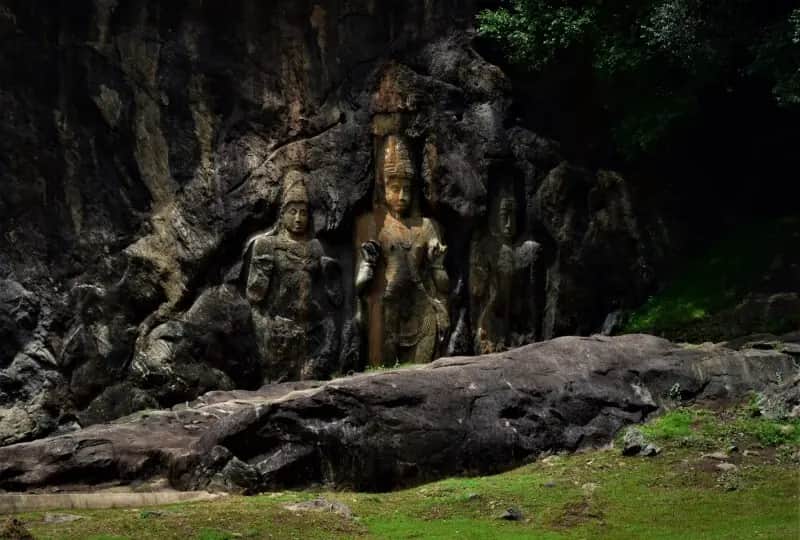
Buduruwayaya Archaeological Site
Buduruwayaya is an ancient Buddhist site near Wasgamuwa, set in quiet dry-zone forest. Its best-known feature is a large reclining Buddha among old ruins.
Image Credit: ShutterStock

Gal Viharaya and the Alahana Pirivena group
The northern part of Polonnaruwa holds the Gal Vihara, four Buddha images carved from a single granite face, and the monastery buildings of the Alahana Pirivena.
Image Credit: ShutterStock
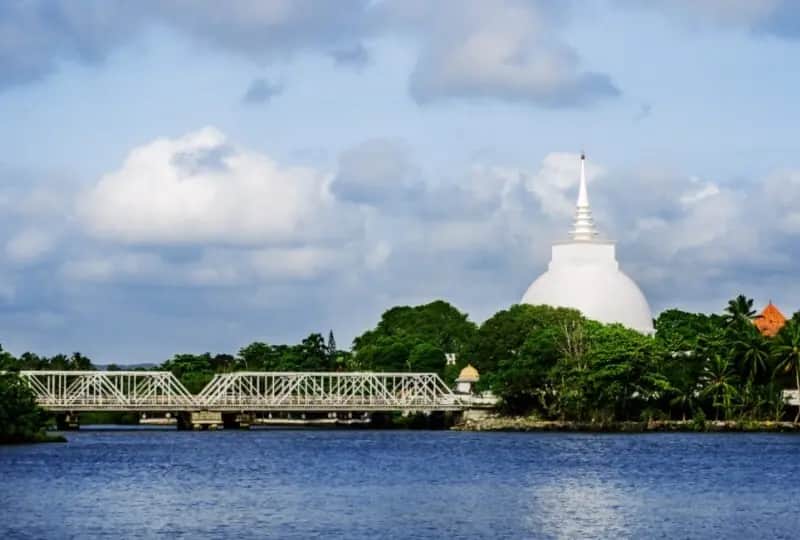
Kalutara Bodhiya
The Kalutara Bodhiya, beside the Galle Road at the mouth of the Kalu Ganga, is one of the most visited Buddhist sites on the west coast. Visitors can enter its hollow white stupa.
Image Credit: ShutterStock
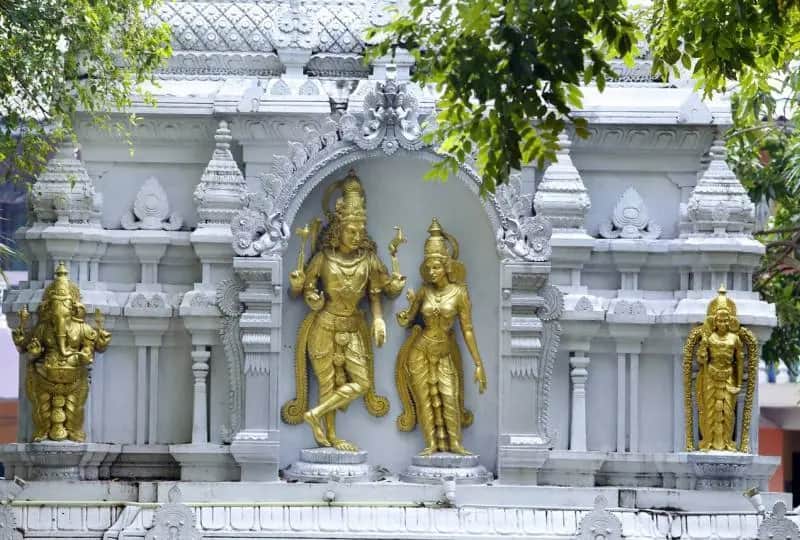
Shri Ponnambalawaneswaram Kovil
Sri Ponnambalawaneswaram is a Shiva temple in Kotahena, unusual in Sri Lanka for being built entirely of granite in the South Indian style.
Image Credit: ShutterStock

Kelaniya Raja Maha Viharaya
Kelaniya Raja Maha Viharaya, about 10 km north-east of central Colombo, is one of the most sacred temples in Sri Lanka. Its murals and the Duruthu Perahera in January draw many visitors.
Image Credit: ShutterStock
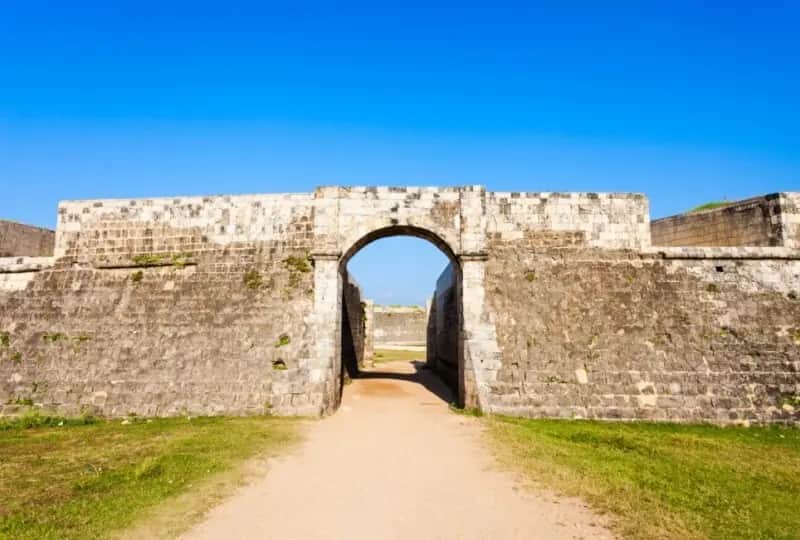
Jaffna Fort
Jaffna Fort stands beside the lagoon at the edge of town. Built by the Portuguese and rebuilt by the Dutch after 1658 as a large star-shaped fort, its ramparts give wide views over the water.
Image Credit: ShutterStock
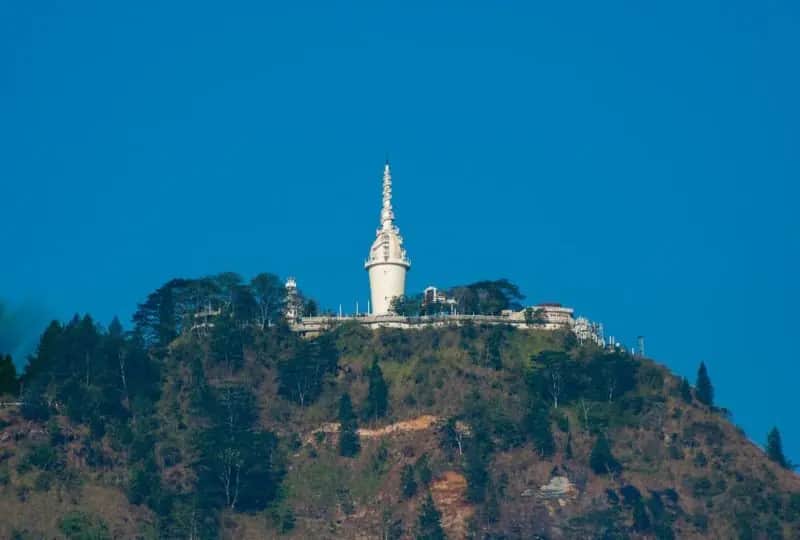
Ambuluwawa Temple & Campaign Site
Ambuluwawa is a mountain beside Gampola, about 20 km south of Kandy. Its summit holds a biodiversity complex with a tall spiral tower and wide views over the hills.
Image Credit: ShutterStock

Parakrama Samudraya
Parakrama Samudra, the Sea of Parakrama, is a vast reservoir beside Polonnaruwa built by King Parakramabahu I in the 12th century. It still irrigates the fields around the city.
Image Credit: ShutterStock
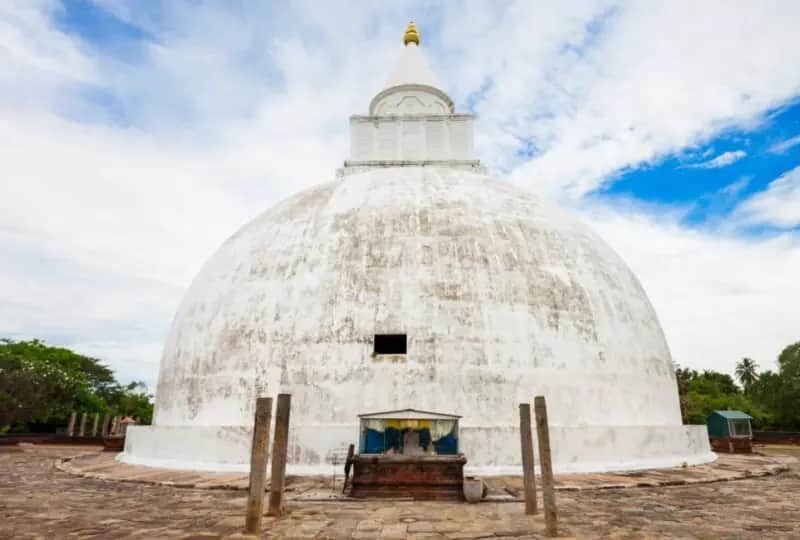
Yattala Vehera
Yattala Vehera is an ancient stupa on the edge of Tissamaharama, traditionally dated to around 2,300 years ago. It is surrounded by an elephant wall and the remains of an old monastery.
Image Credit: ShutterStock
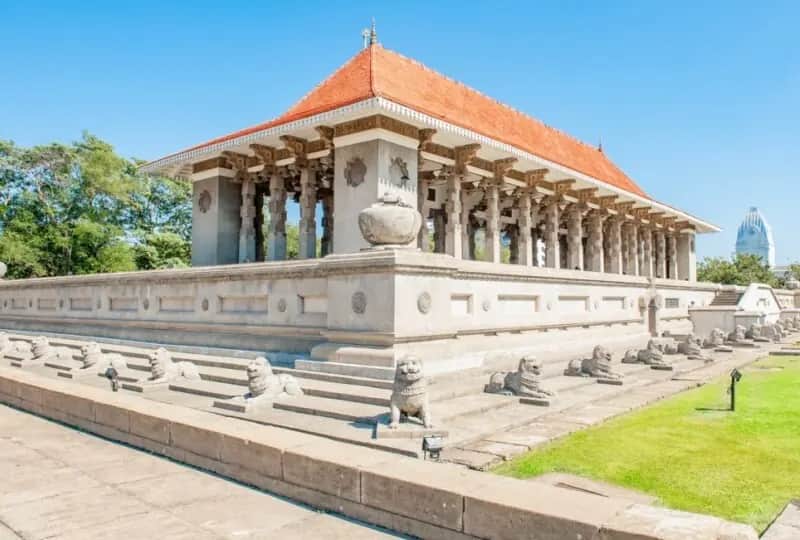
Independence Square and Park
Independence Square, in Cinnamon Gardens, is the national monument to Sri Lanka's independence in 1948. The surrounding park and the Arcade make it a pleasant place to walk.
Image Credit: ShutterStock